


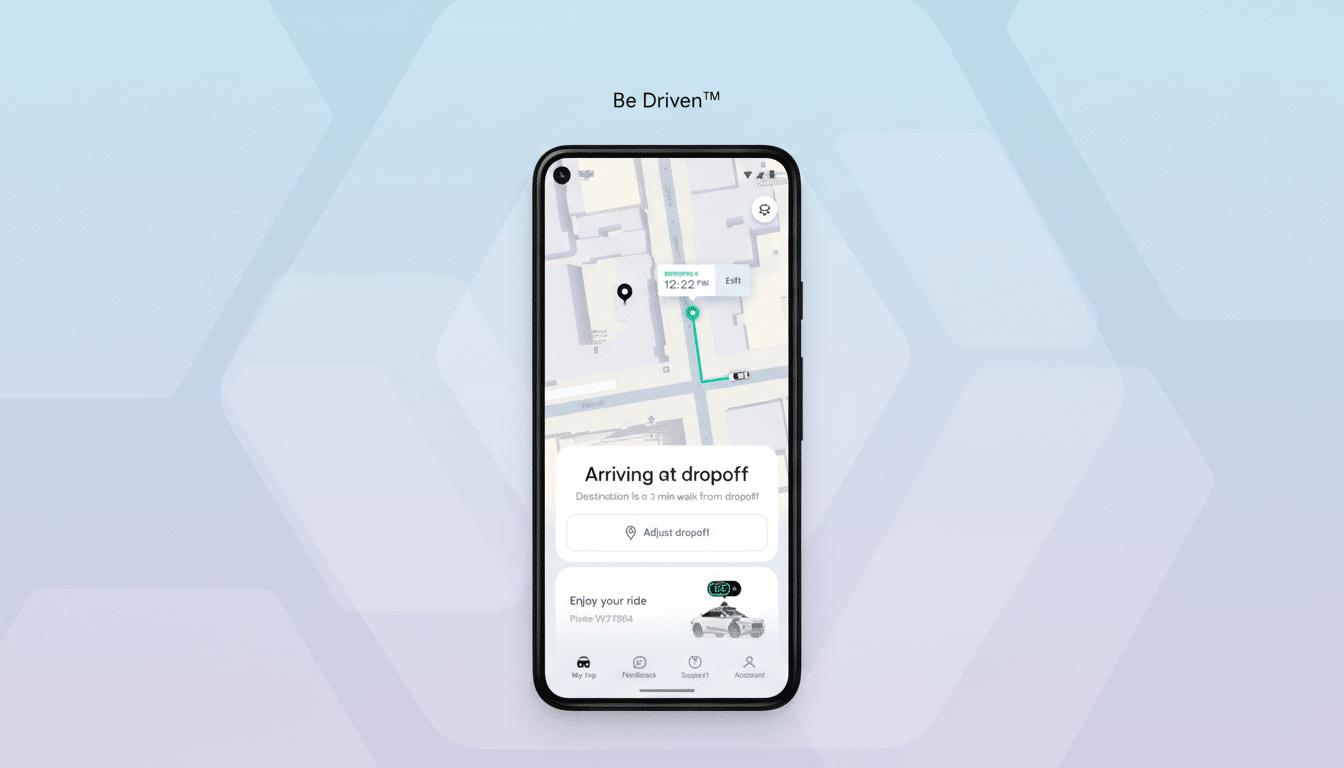
Waymo has flipped the switch on public robotaxi rides in Miami, turning months of mapping and testing into paid trips for everyday riders. The service begins with a rolling invite to nearly 10,000 people on the company’s local waitlist and covers a 60-square-mile operating zone that includes the Design District, Wynwood, Brickell, and Coral Gables, with an airport connection to Miami International planned next.
The launch extends Waymo’s fast-paced ramp across major U.S. cities while putting autonomous vehicles into one of the country’s most complex urban driving environments. Early riders will summon vehicles through the Waymo One app and be matched with fully driverless cars—no safety operator up front—reflecting a step-by-step approach that the company has used to enter new markets.
A Gradual Rollout Across 60 Square Miles
Waymo typically starts with a waitlist to manage pickup density and fine-tune routing before opening the floodgates to all comers. Miami follows that playbook: the company spent months building high-definition maps, logging supervised miles, and then quietly operating driverless service with employees before inviting the public. Expect the hours, coverage, and fleet size to expand as the system’s reliability and pickup times hit internal targets.
The service area connects popular nightlife and business corridors, a deliberate choice for utilization and data richness. Trips weaving from Wynwood galleries to Brickell offices, or between Coral Gables restaurants and shopping in the Design District, offer the kind of varied traffic conditions—left turns across busy arterials, dense curbside activity, scooters and delivery vehicles—that stress-test an AV stack quickly.
Why Miami Matters for Autonomous Vehicles
Florida is among the most permissive states for autonomous operations, with laws that explicitly allow driverless deployment without a human behind the wheel. That clarity lowers friction for scaling, but the street reality is anything but simple: sudden tropical downpours, blinding sun glare off wet pavement, drawbridge approaches, and pockets of flash flooding can all challenge perception and planning systems.
Waymo’s fleet in Miami combines its all-electric Jaguar I-Pace SUVs with the newer Zeekr RT vans, rebranded as “Ojai.” The vehicles’ sensor arrays—lidar, radar, and cameras—are tuned for low-visibility conditions, and the company has emphasized continual software updates to handle standing water, reflective road surfaces, and complex lane markings common after storms. Zero tailpipe emissions also align with Miami-Dade’s climate goals, an increasingly relevant factor as robotaxis log more urban miles.
A Proven Expansion Playbook for Waymo’s Growth
Miami becomes the latest addition to a network that started with a public rollout in Phoenix and later opened widely in San Francisco and Los Angeles. In recent expansions, Waymo also added freeway segments and teamed with Uber in cities like Atlanta and Austin to broaden access. The company says it plans to enter roughly a dozen more markets next, including Dallas, Denver, Detroit, Houston, Las Vegas, Nashville, London, San Diego, Seattle, and Washington, D.C., with testing already underway in several of them.
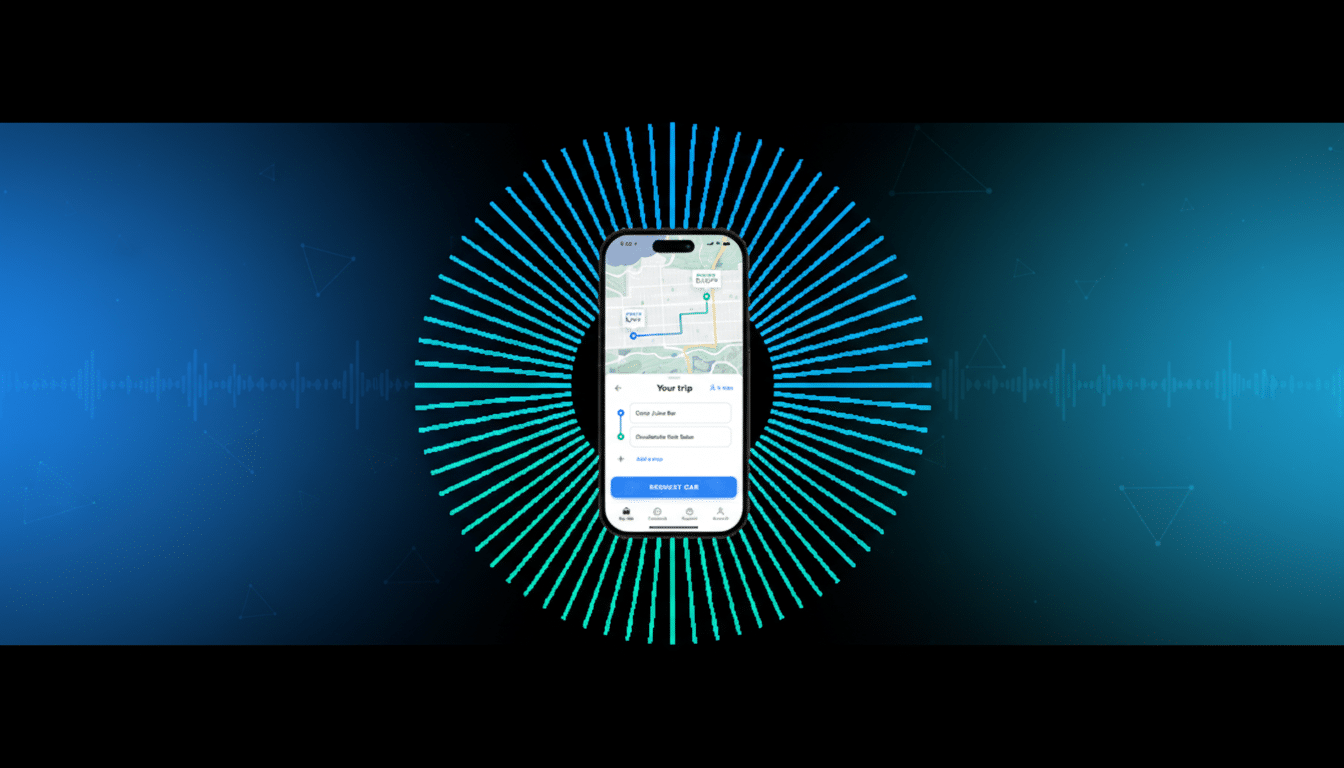
The strategy is straightforward: accumulate operational diversity at scale, prove out autonomy in varied weather and traffic cultures, and then reuse that learning to shorten launch timelines in subsequent cities. Miami’s mix of tourists, event peaks, and late-night traffic gives Waymo fresh scenarios that differ markedly from the West Coast and Southwest.
Safety Scrutiny and Software Fixes for Waymo
With expansion has come higher scrutiny. The National Highway Traffic Safety Administration’s Office of Defects Investigation opened a probe into Waymo’s behavior around stopped school buses after incidents in the Southeast. The company issued a voluntary software recall to address the issue, yet new videos circulating online suggest continued edge cases where vehicles allegedly passed buses with lights flashing and stop arms extended.
Waymo has also faced public frustration after isolated incidents, such as traffic snarls during a widespread power outage in California. As Miami scales, watch for third-party data points—police reports, NHTSA filings, and city feedback—to provide a clearer picture of performance. Florida requires post-crash reporting for autonomous vehicles, offering a formal channel for incident transparency outside of company statements.
What to Watch Next as Waymo Expands in Miami
Airport access will be a telling milestone. Serving Miami International requires coordination on permits, staging, and curbside flows that can stress routing and handoffs. Waymo’s recent freeway additions in other markets hint at similar upgrades in Miami, improving travel times between downtown and the airport once enabled.
Pricing, ride availability at peak times, and system reliability will shape adoption. Rival robotaxi programs have ebbed and flowed with public sentiment and regulatory action; Waymo’s bet is that a careful, evidence-driven rollout in Miami will convert curiosity into habitual use. If the company delivers smooth pickups, consistent ETAs, and visible safety improvements, Miami could quickly become one of its most active markets—and a launchpad for the next wave of cities on its list.
