


Waymo has switched on a fully autonomous ride-hailing service in Miami, adding the city to a growing U.S. footprint and signaling fresh momentum for driverless mobility. The company is opening rides across a roughly 60-square-mile service area, inviting early users on a rolling basis after more than 10,000 locals signed up. Waymo says access to Miami International Airport is planned soon, a milestone that historically marks confidence in handling complex curbside operations.
How Miami Fits Waymo’s Expansion Strategy
Florida’s regulatory posture has been among the most permissive for autonomous vehicles, allowing operations without a human driver in the car as long as specific safety and insurance requirements are met. That legal clarity reduces friction for commercial deployment compared with many peer markets.
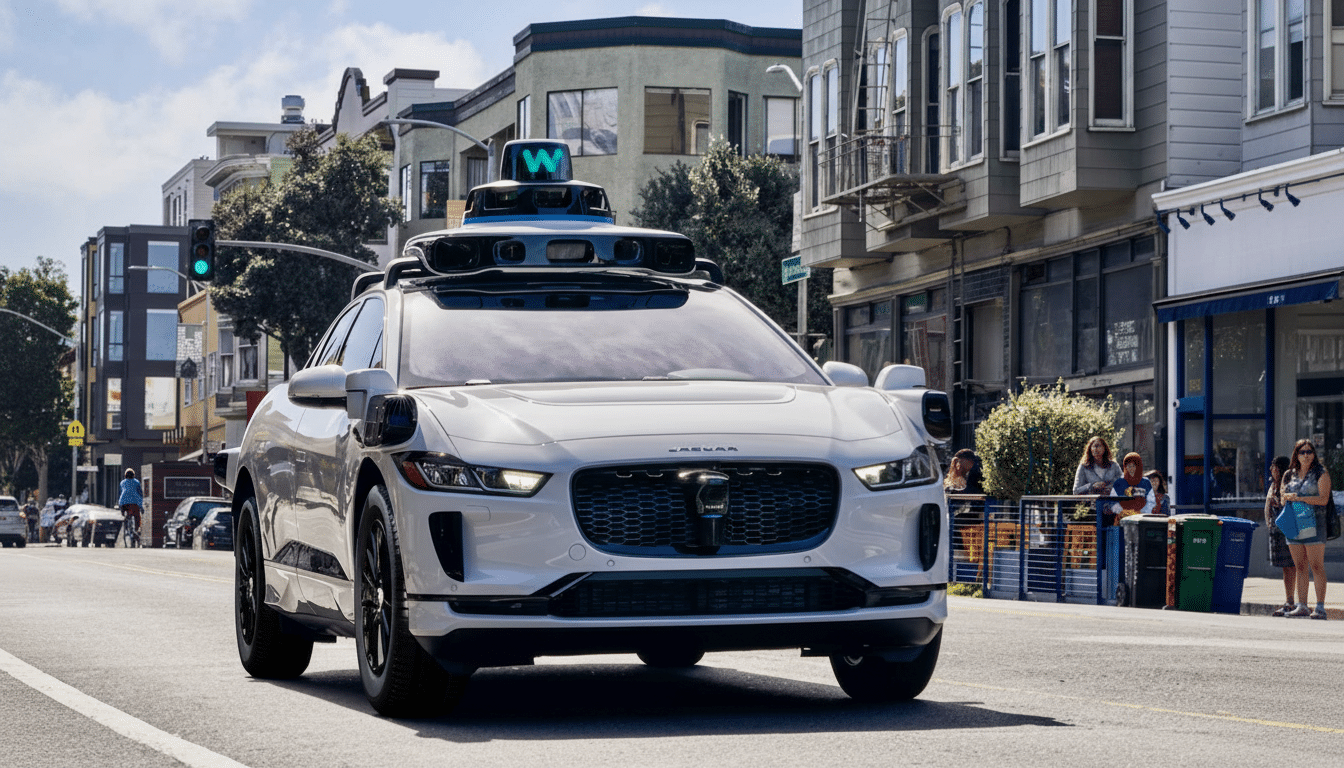
Miami also presents a uniquely challenging operating environment that could sharpen the system’s capabilities: sudden downpours, frequent nighttime traffic spikes around entertainment and sporting venues, complex multi-lane arterials, and causeway corridors that funnel tourists and commuters. Waymo’s decision to enter now suggests the company believes its perception stack and planning software can handle those stressors with minimal human intervention.
With Miami, Waymo’s commercial robotaxi service now spans Atlanta, Austin, Los Angeles, Phoenix, the San Francisco Bay Area, and Miami—six distinct, high-demand metros. The company has also outlined a queue of potential next markets including Dallas, Denver, Detroit, Houston, Las Vegas, Nashville, Orlando, San Antonio, San Diego, and Washington, D.C., as well as London, signaling an ambition to move beyond regional pilots and toward a multi-city network.
Safety Record, Technology, and Oversight
Waymo’s fleet relies on a fusion of lidar, radar, and high-resolution cameras, paired with redundant compute and braking systems. The company has published safety methodologies and performance analyses comparing its driver to human baselines in prior markets, and reports tens of millions of autonomous miles on public roads alongside billions more in simulation. These internal metrics are increasingly scrutinized by regulators and researchers as deployments scale.
Regulatory oversight remains active. The National Highway Traffic Safety Administration has reviewed incidents involving autonomous systems industry-wide, including Waymo, examining edge cases like low-speed collisions and unusual roadway interactions. In California, utility and motor vehicle regulators have also tightened reporting expectations following high-profile industry setbacks. Waymo, for its part, has highlighted remote assistance capabilities and continuous software updates designed to address rare failure modes quickly.
Even so, driverless services are not flawless. Recent episodes—such as vehicles stalling during a San Francisco power outage—underscore how urban infrastructure anomalies can disrupt autonomous operations. Miami’s heat, heavy rain, and occasional street flooding will add their own variables, and Waymo will be under pressure to demonstrate resilient performance through the summer storm season.
What Riders Can Expect From Waymo’s Miami Robotaxis
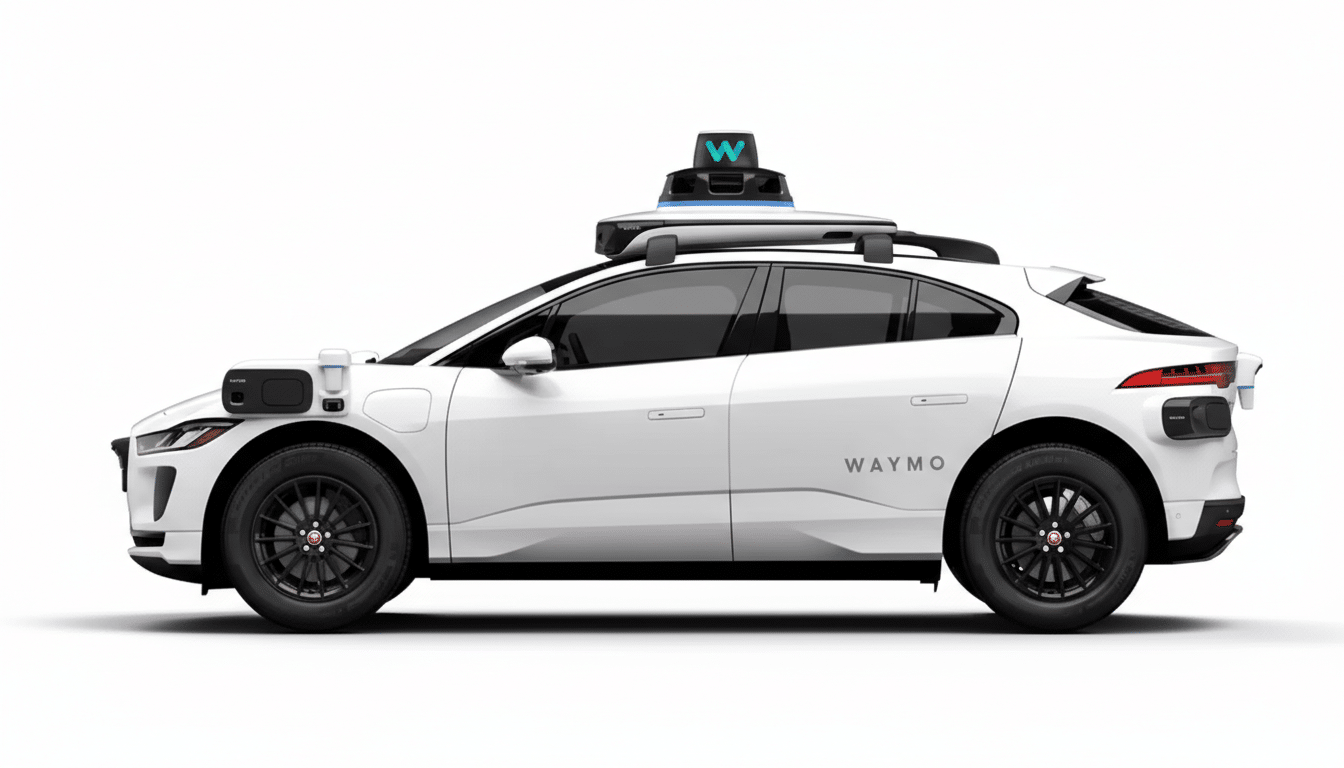
Rides are being offered without a human driver, with entry initially restricted to invited users. As in other Waymo cities, pickup and drop-off points are typically optimized for clear visibility and safe curb space, which can mean designated zones near busy intersections or venues. The fleet consists of fully electric vehicles outfitted with Waymo’s latest sensor suite, and the company has prioritized smooth acceleration, conservative gap selection, and defensive routing as hallmarks of the ride experience.
Airport service, when activated, tends to roll out in phases—first covering prioritized terminals and clearly marked pickup areas, then expanding as the system learns traffic patterns. Waymo has executed that playbook at Phoenix Sky Harbor, providing a template for integrating with airport operations, traffic control, and law enforcement. In Miami, expect similar coordination with airport authorities and the county’s transportation teams.
Pricing in existing markets has been positioned as competitive with traditional rideshare, and wait times typically improve as fleets and geofences expand. Accessibility features, such as audio prompts, app-based communication, and support for riders with service animals, are already part of Waymo’s service design and will be closely watched by local advocates.
Competition and the Road Ahead for Miami Robotaxis
The Miami launch widens the gap between companies with continuously operating driverless services and those still in pilot or limited modes. Cruise, which paused driverless operations in the wake of safety reviews, has been rebuilding its program with greater regulatory engagement. Tesla’s autonomous ambitions remain a lightning rod, with demonstrations drawing attention but commercial robotaxi availability limited relative to Waymo’s multi-city footprint.
Local impact will come down to reliability, coverage, and price. Miami’s hospitality sector could benefit from consistent late-night service in areas where driver availability is uneven, while transit planners will look to see whether robotaxis complement Metrorail and local bus routes for first-mile and last-mile connections. If Waymo can maintain strong on-time performance in heavy rain and event traffic, Miami could become a showcase market for scaling driverless mobility in subtropical, tourism-driven cities.
For now, the signal is clear: Waymo sees Miami as a proving ground and a growth engine. If the service can navigate the city’s weather, weekend surges, and airport complexity with few exceptions, it will strengthen the case that autonomous ride-hailing is ready for broader adoption beyond the West and Southwest.
