


Online privacy is a growing need and becoming more precious by the day. Every click, every Google search poses a security risk. Fortunately, VPNs help keep our online lives private from hackers and unwanted people.
VPNs go beyond encrypting data. They also keep your real IP address hidden through a series of re-routed VPN servers. They also work to break down Geo-Restrictions. This article highlights the importance of VPNs and how they work.
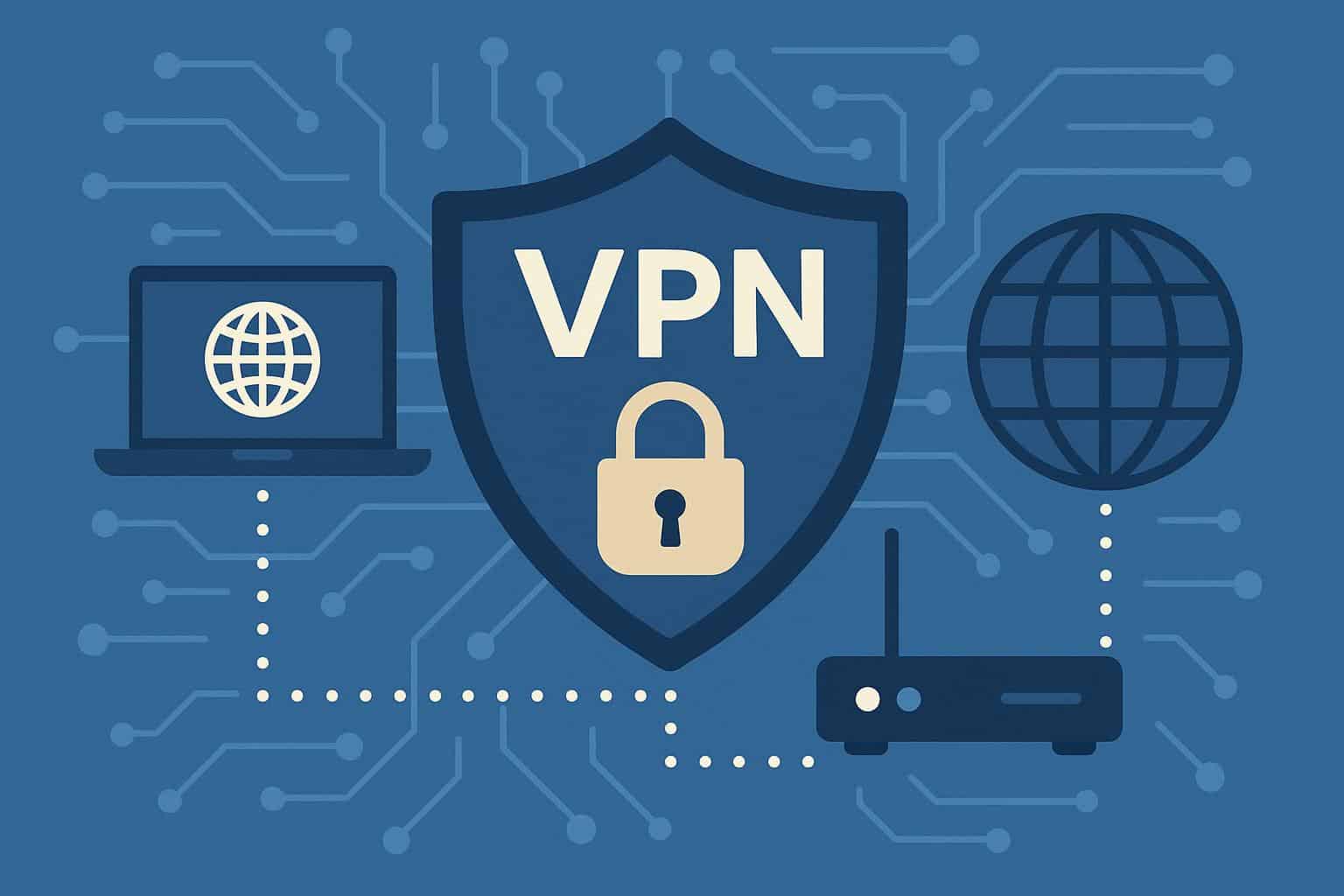
Understanding the Basics of a VPN
A VPN allows your computer or mobile device to connect to the internet through a secure connection by running your internet traffic through an encrypted “data tunnel” to a remote server. This encrypted connection can help you secure your privacy online, and it can also help you bypass firewalls and unblock geographically restricted websites and streaming services. But above all, with a premium VPN, you can help keep your actual IP address hidden and any data encrypted with enterprise-level encryption.
Breaking Down the Geo-Digital Barriers
Even with so many websites and the ability to hold video conferences, there are still geo-restrictions. For example, if you live in China, Facebook and other social media platforms like X are off-limits. Giant streaming platforms like Netflix and even some online gaming and betting platforms like PlayStation and Bettingtop10.co.nz have certain regional restrictions. However, with a VPN, you have access to servers that’s closest to the site, or even in the same location, to bypass geo-fences.
More Stable Public Internet Access
Whenever you’re on a public Wi-Fi network, the Wi-Fi owner has a log of all the sites you’ve visited and how long you visited. The internet provider can log and share your traffic history with advertisers and partners if it so chooses. On top of that, your browser will continue to send information to ad networks and data trackers, which are part of nearly all the websites you visit. To make matters worse, ad networks and data trackers profile you, record clicks, and pump you with dynamic ads based on your recent searches.
Even if there’s a hack or compromise in the SSL or TLS protocol, a VPN could also help by encrypting your online data in transit between your device and the final server, preventing hackers from learning your moves. Beyond the privacy and security advantages, a VPN will also let you make it appear you’re coming from somewhere else. That means that if you want to access region-locked content, such as international Netflix libraries, a VPN can be helpful when you’re connected to open Wi-Fi networks.
A VPN will increase your privacy by encrypting your traffic before it leaves your device. This keeps your connection private from anyone else who is sharing the network or who is running it. Any websites you visit and log into may still recognize who you are because you’ve provided your account credentials. Your browser’s built-in trackers will still be tracking you, so a VPN is not a panacea for all the tracking that happens online, but on public Wi-Fi, it definitely helps.
Another consideration is speed. Wi-FI is notorious for lagging. A premium VPN can stabilize your internet connection while encrypting your digital footprint for better performance.
