


Volkswagen is recalling more than 40,000 ID.4 electric SUVs in the United States after regulators flagged a risk of battery fires tied to certain high-voltage battery modules. The action, disclosed in filings with the National Highway Traffic Safety Administration, focuses on U.S.-assembled vehicles and underscores how a single component defect can ripple across an otherwise well-reviewed EV lineup.
What Volkswagen Found in Faulty ID.4 Battery Modules
According to notices submitted to federal regulators, some ID.4 packs can develop internal battery defects where electrodes shift or are misaligned. That condition can create an internal short, leading to thermal runaway—an escalating heat event that can propagate from one cell to neighboring cells and, in rare cases, ignite the pack. In technical language, this is “thermal propagation,” and it’s the failure mode EV engineers spend enormous effort to prevent through manufacturing controls, software monitoring, and pack design.
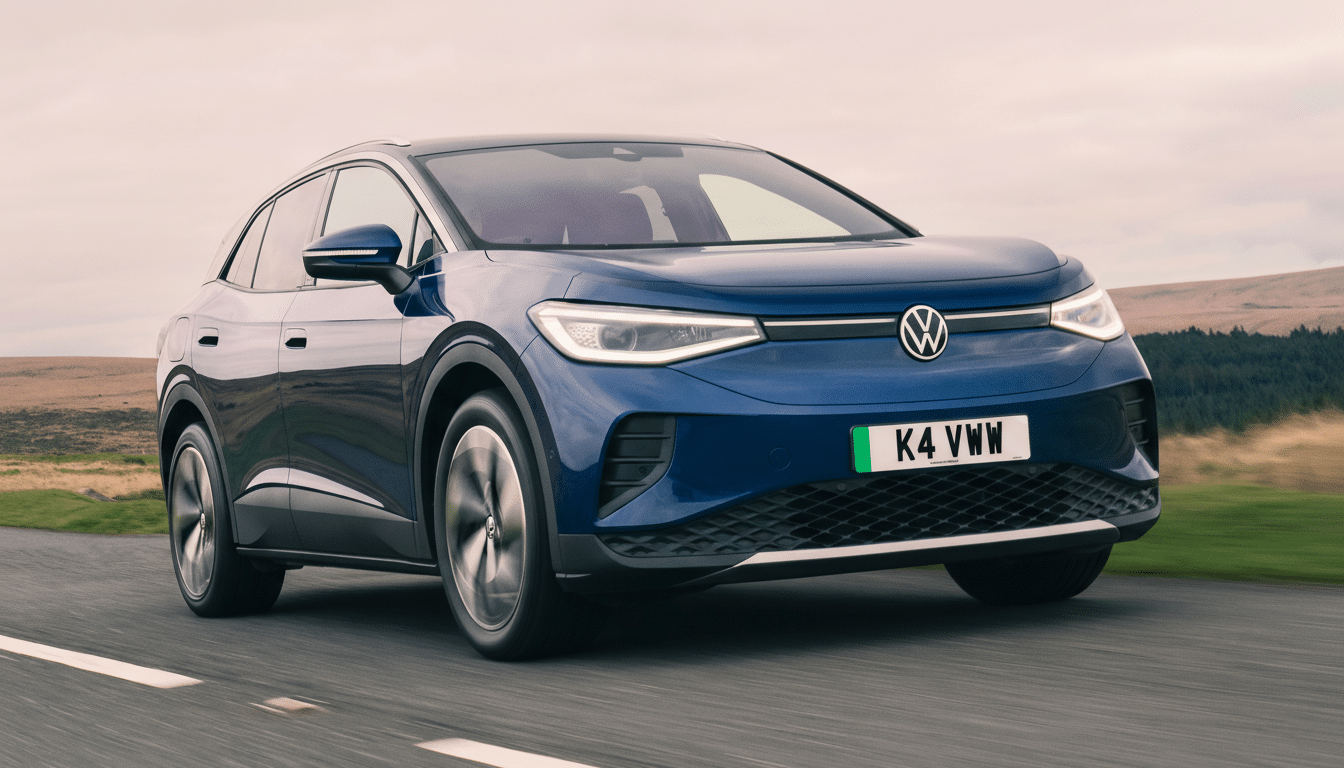
Volkswagen says it will inspect affected vehicles with a battery health check, install updated battery management software, and replace suspect cell modules as needed. The inspection and repairs will be performed at no cost to owners. The company notes the issue traces to specific battery production batches and is not systemic to the ID.4 platform.
Which ID.4 Owners Are Affected by the U.S. Recall
The primary campaign covers 43,881 U.S.-built ID.4s. Separate, narrower campaigns have been initiated for additional vehicles—670 in one action and 311 in another—where investigators identified similar electrode-related defects. Risk is not uniform across all vehicles; it varies with the specific battery modules installed.
Volkswagen emphasized that the concern applies to ID.4s assembled in the United States with packs supplied by SK Battery America in Georgia. ID.4s manufactured for Europe, which use different battery supply chains, are not part of these actions.
Fire Incidents and Interim Guidance for Affected ID.4s
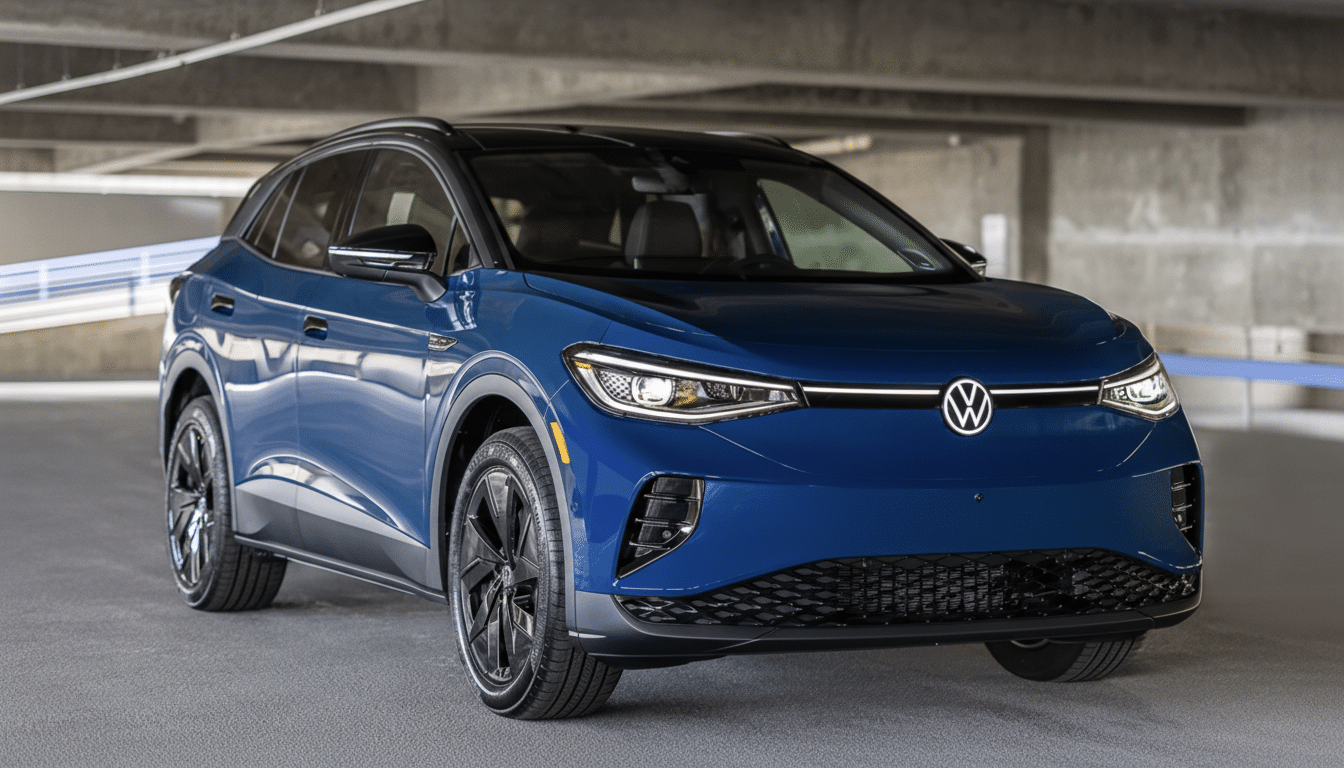
This is not a purely theoretical risk. Volkswagen and regulators have documented multiple field incidents. For a subset of 1,299 vehicles identified as having a higher likelihood of cell defects, Volkswagen is advising owners to park outdoors and avoid DC fast charging until their vehicles have been inspected. AC Level 2 charging is recommended in the interim. Owners should also heed any battery or electrical system warnings, unusual odors, smoke, or excessive heat near the underbody and stop driving if such symptoms appear.
How This Recall Fits Into the Broader EV Safety Picture
High-voltage battery recalls, while headline-grabbing, have been relatively uncommon when measured against the scale of EV deployments. Still, they are consequential when they occur. The Chevrolet Bolt and Hyundai Kona EV both underwent wide-ranging battery campaigns in recent years after suppliers identified cell manufacturing defects. Safety agencies and fire professionals, including the National Fire Protection Association, note that EV fires are rare events overall but require specialized response because lithium-ion packs can re-ignite if not fully cooled.
The ID.4 case follows a familiar arc: identify a defect pathway, constrain usage for the highest-risk subset, update diagnostics and software, and replace hardware where indicated. What’s distinct here is the focus on specific U.S. battery production lots, reinforcing how critical upstream quality control is to EV reliability.
What ID.4 Owners Should Do Next to Address the Recall
Owners should check their vehicle identification number through the NHTSA recall lookup or Volkswagen’s customer portal to confirm inclusion. If affected, schedule service promptly; repairs are free. Until inspected, follow any interim guidance from Volkswagen, especially if instructed to park outdoors and use only AC charging.
If you experience warning lights, unusual smells, visible smoke, or a sudden drop in state of charge, pull over safely, move away from the vehicle, and contact emergency services. Afterward, reach out to your dealer or Volkswagen customer care. Documenting symptoms helps technicians pinpoint defective modules more quickly.
For Volkswagen, the immediate goal is to get diagnostics and replacements completed swiftly and transparently. For owners, the priority is straightforward: verify your VIN, book the inspection, and follow the temporary precautions. With the right fixes in place, the ID.4 should return to the duty it’s become known for—quiet, efficient daily driving.
