


Verizon’s $20 outage credit was meant to make amends after a widespread disruption, but it’s also created a perfect opening for scammers. Phishing texts and emails now masquerade as official credit notifications, pushing customers to click rogue links, hand over account details, and even install malware. Law enforcement and consumer protection experts are urging caution and recommending customers go straight to Verizon’s official app or website instead of engaging with unsolicited messages.
What Verizon Actually Promised After the Outage
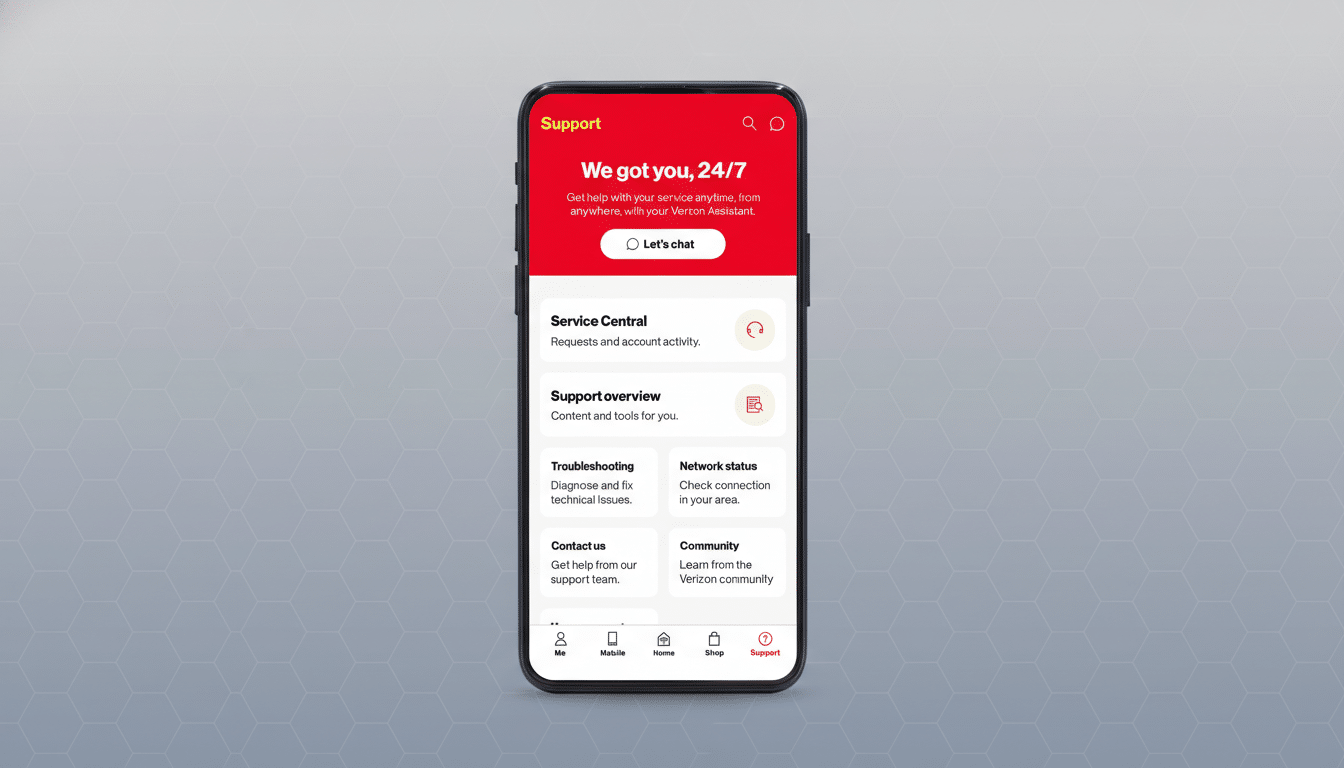
Following a major outage that left many subscribers without service for hours, Verizon said it would provide a $20 account credit. Multiple customers have also reported receiving larger goodwill credits after contacting support, but that varies and is not guaranteed. The key point: legitimate credits do not require you to click a link in a text or email. You can confirm eligibility and application status by logging directly into the My Verizon app or by typing Verizon’s official website address into your browser.
Scammers Move Fast To Imitate Real Alerts
Fraudsters are sending messages that look like they’re from Verizon, referencing the $20 credit and urging a quick click to “claim” it. The Jones County Sheriff’s Office in Georgia has warned residents about such messages, noting that they can lead to credential theft and device compromise. Some users say they received authentic Verizon messages that routed to the real site—unfortunately, that’s exactly what criminals try to mimic with convincing copycat domains and near-identical login pages.
SMS sender IDs can be spoofed, and fake messages sometimes land alongside legitimate carrier texts, making them feel trustworthy. A common tell is a URL that looks almost right but isn’t—extra characters, odd subdomains, or misspellings are red flags. Another tactic is urgency: countdowns, limited windows to claim the credit, or warnings that your account will be locked if you don’t act.
Claim Credits Safely Without Taking the Bait
To verify or request a credit, open the My Verizon app yourself or manually enter Verizon’s website address in your browser. Avoid tapping links in unexpected texts or emails. Check the address bar for the correct domain and a valid certificate before signing in. If you prefer help, call Verizon via the number listed on your bill or on the official site—don’t rely on numbers provided in a suspicious message.

Harden your account while you’re there. Set or update your account PIN, enable two-factor authentication, and consider Verizon’s number lock features to reduce SIM-swap risk. If you receive a suspicious text, forward it to 7726 (SPAM), a service supported by major carriers, and report the incident to Verizon support.
Why This Credit Is Catnip For Scammers Right Now
Event-driven scams spike when there’s a timely hook—storms, tax season, product recalls, and yes, outage compensation. The message feels relevant, the dollar amount feels plausible, and the call to action feels urgent. That’s a potent mix. The Federal Trade Commission reports that Americans lost more than $10 billion to fraud in the most recent year, with imposter schemes a leading category and text messages a frequent contact method. Any widely publicized credit or refund is likely to trigger a similar phishing wave.
If You Already Clicked A Phishing Link
Act quickly. Change your Verizon password and account PIN from a trusted device and review recent logins or changes. If you entered payment details, contact your bank or card issuer to monitor or replace the card. Run a security scan on your phone and remove unfamiliar profiles or apps. Then alert Verizon support so they can watch for unauthorized activity, and consider adding account alerts for changes, new lines, or upgrades.
Bottom Line: Verify Credits Only Through Official Channels
The $20 credit is real—but so are the phishing campaigns pretending to deliver it. Treat every “claim your credit” message with skepticism, skip the link, and go straight to the source via the official app or site. A few extra taps can be the difference between a small outage apology and a big security headache.
