


Verizon says it will enable immediate device unlocking across all payment methods “really soon,” reversing a recently introduced hurdle that forced many customers to wait 35 days after paying off their phones through the app or authorized retailers. The change should simplify a process that has frustrated travelers, frequent upgraders, and anyone trying to sell a device quickly on the secondary market.
What Changed and Why Verizon’s Policy Shift Matters
In recent weeks, Verizon applied a 35-day waiting period before it would unlock devices paid off via its app or through third-party stores. Immediate unlocks were still available in company stores, but only when customers used what Verizon called “secure” payment methods, such as cash, contactless payments, or EMV chip credit cards. That created a confusing split experience depending on where and how you paid.
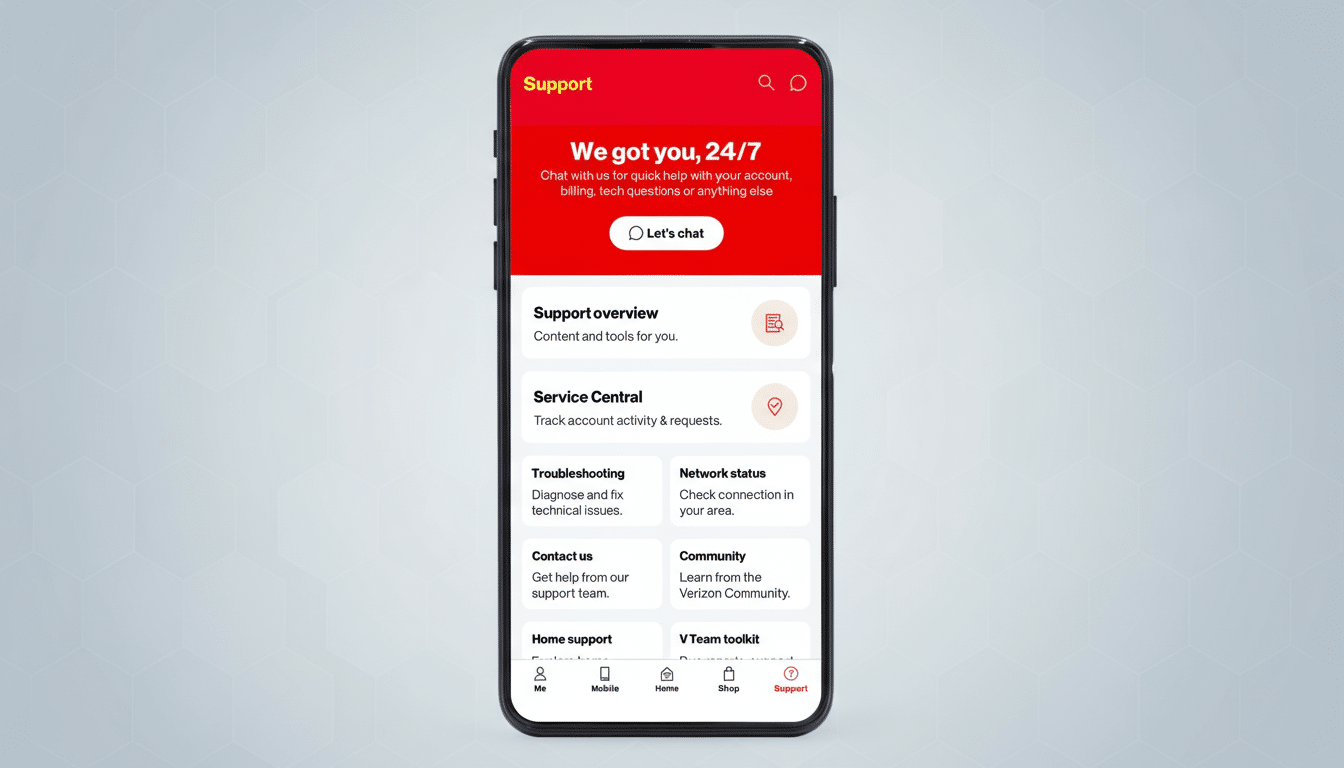
The carrier now says it will align the experience so that, once you meet eligibility and settle your remaining balance, the unlock can happen right away no matter how you paid. For consumers, that means less downtime before popping in a local SIM or activating an eSIM when traveling, and faster time to market if you’re reselling a phone. Unlocked devices typically fetch higher prices—marketplaces consistently show unlocked variants commanding a premium, often in the 10–20% range over carrier-locked models.
The Policy Timeline and Ongoing Clarity Issues
Verizon’s device unlocking policy page was updated after the rule took effect, prompting questions about whether the new restriction had been applied retroactively. The company says customers who purchased or upgraded from the effective date were presented with the revised terms at the point of sale and that public-facing information is being made consistent across channels.
It’s also important to separate the immediate-unlock shift from Verizon’s longstanding anti-fraud window. Like other major carriers, Verizon maintains a standard post-activation lock—typically 60 days—before devices are automatically unlocked. The upcoming change addresses how quickly an eligible device is unlocked once conditions are met and payment is verified, not the baseline anti-fraud period itself.
Fraud Controls Versus Customer Experience
Carriers argue that short-term locks and delayed unlocks deter identity fraud and chargebacks, especially for devices purchased on installment plans. Payment method matters because EMV chip and contactless transactions reduce counterfeit and chargeback risks, giving stores more confidence to unlock on the spot. Extending immediate unlocking to all payment channels suggests Verizon is implementing back-end verification that can clear transactions quickly without relying on where you paid.
Consumer advocates have long pushed for simpler, faster unlocks. The CTIA’s industry-wide principles, established with input from the FCC, say carriers should unlock postpaid devices once contractual obligations are met. Streamlining payment verification—and removing a 35-day delay for app or retailer payments—moves Verizon closer to that goal while maintaining fraud safeguards.
How Verizon Compares to Other Carrier Unlock Policies
Unlocking rules vary across U.S. carriers. AT&T generally requires devices to be fully paid with at least 60 days of active service before approval. T-Mobile typically unlocks after about 40 days on the network with additional account and payment conditions. Verizon’s approach has centered on an automatic unlock after a standard 60-day lock window; the current development focuses on removing a separate payment-related delay that affected certain channels.
Internationally, the trend tilts even more consumer-friendly. In markets like Canada, regulators banned carrier locking years ago, and many European phones are sold unlocked by default. As eSIM adoption rises and customers switch providers more fluidly, frictionless unlocking has become a competitive checkbox in the U.S. as well.
What Customers Should Do Now to Prepare for Unlocks
If you need an unlock immediately, first confirm your device’s eligibility in your account dashboard or via support. Ensure any installment balance is cleared and your account is in good standing. If you pay off a device and don’t see the unlock process trigger, contact support and reference the immediate-unlocking policy for eligible payments—store teams can often verify and complete it on the spot.
For international trips, consider enabling eSIM in advance and keeping your device unlocked to switch to a local or travel data plan without hassle. If you plan to sell, complete the unlock before listing; unlocked IMEIs typically draw more buyers and reduce returns.
Bottom line: Verizon’s commitment to enable immediate unlocking across all payment methods removes an unnecessary waiting period for many customers. Once live, it should deliver a simpler, more predictable experience in line with industry principles—and make it easier to take your phone wherever you want, on whatever network you choose.
