


A leading venture capitalist is making the call early: 2026 will be the year when the consumer tech engine really revs back up. After multiple rounds of enterprise-first AI hype and long corporate sales cycles, the pendulum is swinging to products that normal people pick up in days, not quarters.
Vanessa Larco, a partner at Premise and a former longtime consumer investor, puts the thesis simply. Consumers understand what they want from AI and will pay for it if it saves time, reduces friction or delights. And that clarity shrinks feedback loops and reveals real product-market fit far more quickly than a purchasing committee ever will.
- Why Consumer Technology Will Outpace Enterprise Adoption
- AI as Concierge and the War for Distribution
- The New Platform Tax on Consumer AI Distribution
- M&A Tailwinds vs. Disciplined Consumer Economics
- Authenticity Is a Core Consumer Product Feature
- Voice and Wearables Become Useful for Daily Tasks
- What Founders Need To Build Before The Tide Goes Out
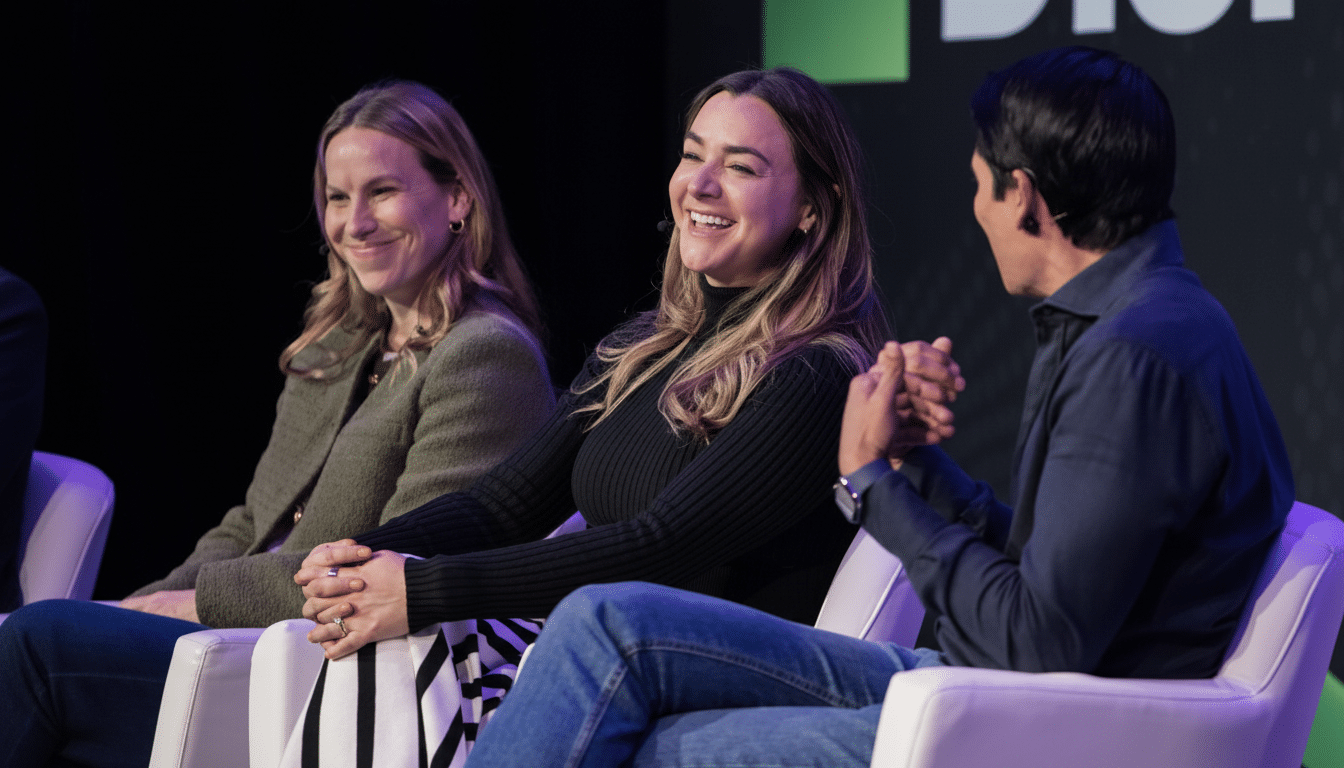
Why Consumer Technology Will Outpace Enterprise Adoption
The opportunity is vast: Each company that runs a core business app also needs AI to help them get bigger, sell more and risk less — all visible from a customer’s field of vision. Consumer products, on the other hand, live or die on day one. If it ties into a daily behavior (buying, planning, learning, messaging), usage will explode; retention will speak for itself.
There’s been proof the audience is already primed: OpenAI points to north of 100M weekly active users for ChatGPT, and consumer prompts have normalized everything from meal planning to contract summaries. Packaged into glossy apps and assistants, these behaviors can rocket to growth with no filter from enterprise gatekeepers.
AI as Concierge and the War for Distribution
Larco anticipates that “concierge-like” AI will evolve into the primary interface for all consumer internet tasks (think booking trips, browsing homes, choosing playlists and shopping) across a single conversational surface. New integrations are exhibiting how a general assistant can harmonize various services, all under one roof and all to narrow the time between intent and fulfillment.
That poses an existential question for legacy consumer brands: which experiences stay standalone, and which get swallowed up by agent-driven flows? If assistants are the new browser, then their curation and incentives will determine who gets traffic — and who fades into obscurity.
The New Platform Tax on Consumer AI Distribution
Larco raises a potential danger: as AI platforms siphon off more consumer intent, they may apply a “distribution tax” akin to the 30% fee charged by mobile app stores. That would leave incumbents and upstarts alike suddenly having to rewrite their margins and ROI math around customer acquisition.
Her investing lens is looking for categories that platform owners are not going to take internal because it falls under the “hard stuff, hard things” model of success (managing real-world goods or services instead of digital ones; working with people vs. bits; and complex business models). Marketplaces with verified supply, logistics-heavy services, and businesses built on proprietary data or regulated workflows are more immune to a generalist assistant simply “eating the UI.”
M&A Tailwinds vs. Disciplined Consumer Economics
After two years of venture resets, consumer multiples are back to normal levels and buyer appetites are creeping back. The strategy groups want growth, but with unit economics that don’t crumble under the weight of a squinted eye: repeat purchase rates, contribution margin, and low blended CAC via agent-driven distribution.
Industry trackers like Bain and Preqin report record levels of dry powder sitting on the sidelines awaiting clarity. If consumer AI provides scaled retention, 2026 could set off a wave of consolidations — acqui-hires for agent capabilities, roll-ups of niche utilities, and strategic buys that bolt voice-first experiences onto existing audiences.
Authenticity Is a Core Consumer Product Feature
Larco also notes a seismic shift in how consumers evaluate truth on the internet. In major news events, we are already seeing how AI-manipulated videos and images can swamp reality in mainstream feeds. Once default skepticism kicks in, users will look for trusted surfaces by design, not by brand nostalgia.
Look for opportunities around provenance and “verified human” content. Existing standards, like the Content Authenticity Initiative and C2PA asset metadata, as well as identity layers from communities like Reddit and reputation graphs, could support a new class of consumer product where authenticity isn’t a filter — it’s base-level table stakes.
Voice and Wearables Become Useful for Daily Tasks
On interfaces, Larco takes a bullish stance on voice and lightweight wearables. Smart glasses with on-device assistants are on the verge of essential: hands-free phone calls, heads-up messaging and frictionless access to virtually all the world’s knowledge. Recent moves like Meta acquiring agent startup Manus, however, indicate that they want these assistants to be not just reactive but proactive.
It’s true that technology tailwinds are a thing — more powerful language models, better speech understanding and device NPUs to reduce latency. Designers now have the option of selecting the right form for the job: voice and taps for fast facts; screens for browsing and comparison. That rebundling of UX will create new consumer categories.
What Founders Need To Build Before The Tide Goes Out
Larco’s playbook is straightforward. Begin with an (early) daily job consumers already do, and then knock over a few barriers with an assistant that actually has some agency. Anchor advantage in assets platforms can’t or won’t copy: verified supply, logistics, proprietary data, regulated operations. Prepare for a world in which discovery comes via AI and there may be a distribution fee.
So while enterprise AI was sucking up capital, consumer tech went dark. If Larco is correct, 2026 heralds the flip: accelerated adoption cycles, alternate monetization rails, and interfaces that finally feel like second nature. The winners will not only surf that assistant wave — they’ll own the parts of the stack untouchable by platforms.
