


Immutable Linux has moved from niche experiment to mainstream conversation, powered by container-era thinking and a surge of interest from gamers and creators alike. Two names now dominate that discussion for desktops: Vanilla OS and Bazzite. Both promise transactional updates, rollbacks, and a read-only core that shrugs off system breakage—yet they target very different users.
What Immutable Linux Means For Everyday Users
In an immutable system, the base OS is mounted read-only, so critical directories such as /usr and /etc can’t be altered during normal operation. Updates apply as atomic images and can be rolled back at boot if something goes wrong. This reduces configuration drift—an idea popularized by the Cloud Native Computing Foundation—and significantly narrows the attack surface. For desktops, it means fewer “my system broke after an update” moments and a safety net when experimentation goes sideways.
- What Immutable Linux Means For Everyday Users
- Vanilla OS At A Glance: Strengths, Tools, And Focus
- Bazzite At A Glance: Gaming Focus And Key Features
- Performance And Hardware Support Across Devices
- Software And Packaging Philosophy Across Both Distros
- Security And Reliability Considerations For Both Systems
- Which One Should You Install On Your Desktop Or Laptop
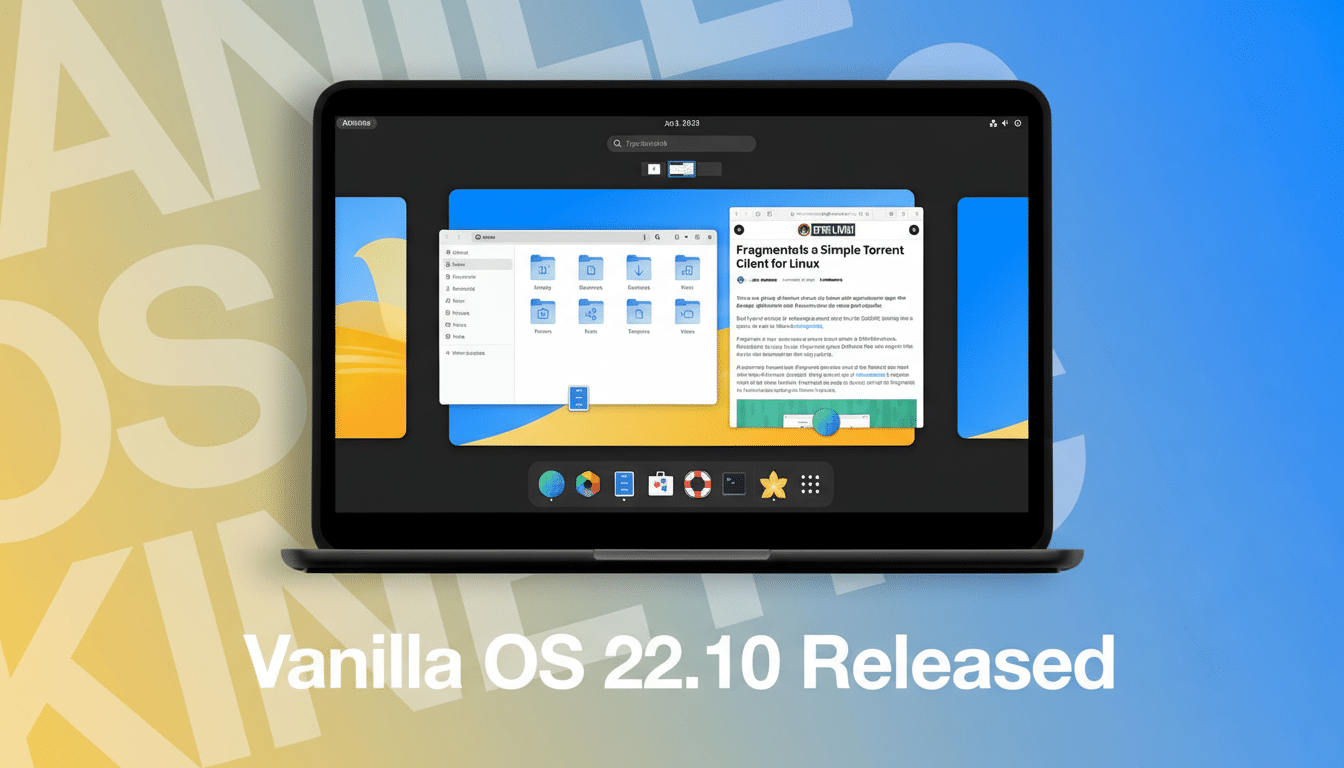
Vanilla OS At A Glance: Strengths, Tools, And Focus
Vanilla OS takes a general-purpose route. Built on a Debian foundation, it layers an image-based model with tools designed to keep your configuration reproducible. Its project maintainers emphasize a clean, minimal GNOME experience and declarative customization using OCI images created with Vib, so you can define exactly which packages and modules ride along with the immutable base.
A standout is VSO, the Vanilla System Operator, which evaluates system conditions—network quality, CPU and memory pressure, and battery level—before proceeding with an update. If the timing isn’t right, it defers, preventing disruptive updates mid-task. For app delivery, Vanilla OS leans on Flatpak for desktop software and supports containerized workflows for development toolchains, helping keep the base image pristine.
Who it suits: users who want a stable daily driver that feels familiar, stays out of the way, and can be molded to fit work or study without babysitting the OS. If you prefer Debian’s conservative cadence but want modern immutability and rollbacks, this strikes a thoughtful balance.
Bazzite At A Glance: Gaming Focus And Key Features
Bazzite targets gamers. Originating from the Universal Blue community and built on Fedora’s atomic technologies (rpm-ostree under the hood), it aims to replicate a SteamOS-like experience on desktops and handheld PCs. You can choose a GNOME variant derived from Fedora Silverblue or KDE Plasma from Kinoite, and you’ll find built-in tweaks for game controllers, handheld layouts, and display quirks that often trip up other distros.
Security isn’t an afterthought. With SELinux enforcing by default, Secure Boot support, and LUKS full-disk encryption with optional TPM auto-unlock, Bazzite inherits the Fedora Project’s security posture. Image rollbacks, version pinning at boot, and signed images add guardrails that power users expect.
Who it suits: gamers who want minimal friction. Valve’s Steam Deck has nudged more players toward Linux—Steam’s hardware survey has Linux hovering around the 2% mark—and Bazzite piggybacks on that momentum with up-to-date Mesa for AMD/Intel, bundled Nvidia drivers, out-of-the-box controller support across Xbox and PlayStation generations, and video acceleration tuned for capture and streaming.
Performance And Hardware Support Across Devices
Bazzite tracks Fedora’s fast-moving graphics stack, which often means newer kernels, drivers, and Mesa releases sooner—an advantage for cards like AMD’s RDNA families or Intel Arc where new firmware can unlock tangible gains. It also ships extra udev rules and HID drivers, reducing setup time for unusual controllers and dongles. For Nvidia users, having the proprietary driver available out of the box is a practical win.
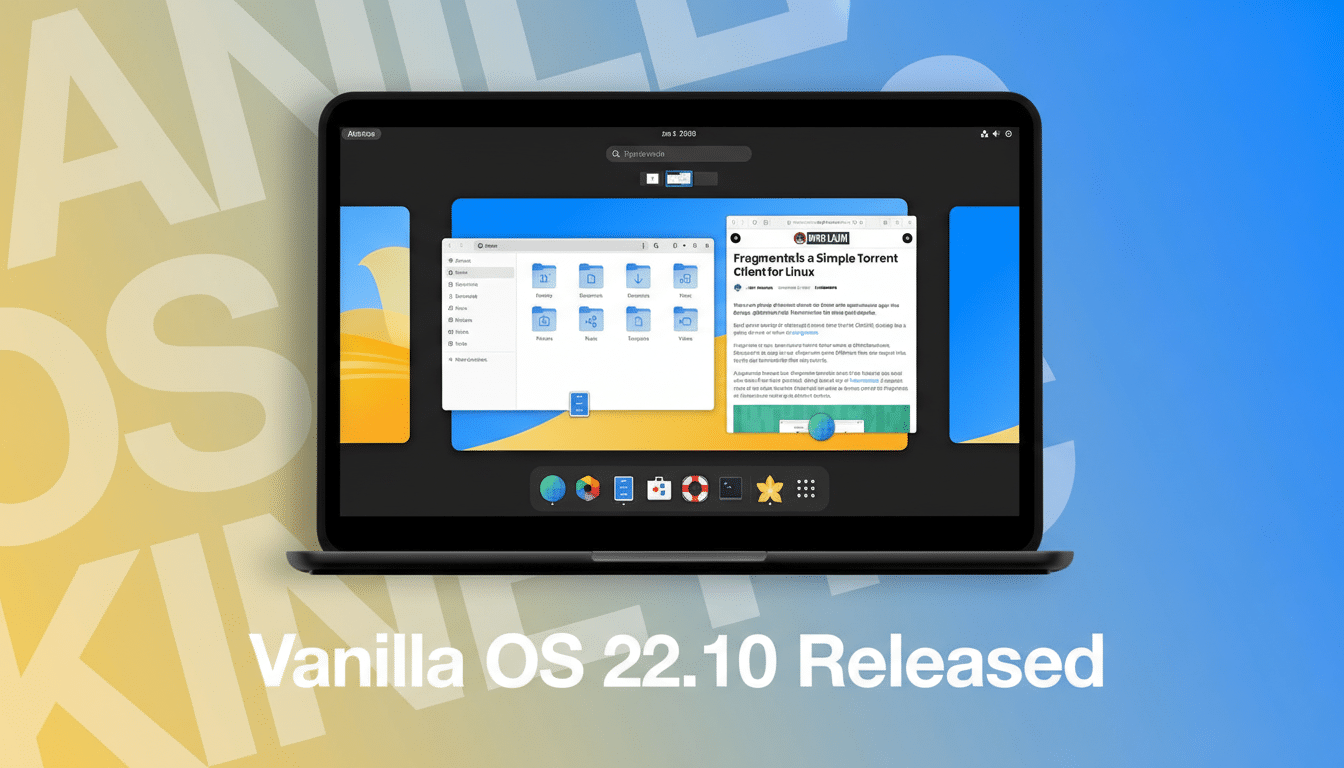
Vanilla OS favors a measured approach. The Debian base is synonymous with stability, and by isolating extra tools and creative suites in containers or Flatpaks, it avoids polluting the core image. If you edit video, write code, or run scientific tools, that separation lowers the risk that one package update will ripple into system-wide breakage.
Software And Packaging Philosophy Across Both Distros
Both distros push a “flatpak-first” model for GUI apps and use image layering for the OS. Where they diverge is in how you shape the base. Vanilla OS highlights Vib for building OCI-driven custom images and uses VSO to time updates intelligently, making it attractive for curated, reproducible setups. Bazzite leans on Fedora’s rpm-ostree model and community images with gaming-centric presets, while encouraging tools like Distrobox or Toolbox for development stacks that shouldn’t touch the base.
The result is philosophical: Vanilla OS is a toolkit for a personal workstation that happens to be immutable; Bazzite is an immutable gaming environment that can double as a workstation.
Security And Reliability Considerations For Both Systems
Both embrace signed images, atomic updates, and bootable rollbacks. Bazzite’s SELinux enforcement—originating from the work of the U.S. National Security Agency and Red Hat—adds mandatory access controls that are stricter by default. Vanilla OS benefits from Debian’s security practices and the immutability model itself; pairing Flatpak sandboxing with a read-only base covers most risk profiles for general users.
From a “break-glass” standpoint, each offers a fast path back to a working system through rollback or pinning. That makes either a safer bet than traditional mutable distros when experimenting with new apps or drivers.
Which One Should You Install On Your Desktop Or Laptop
Pick Vanilla OS if your priorities are day-to-day reliability, a clean GNOME desktop, and the ability to declare your system’s shape with OCI images and keep it consistent across machines. It’s an easy recommendation for students, creators, and developers who value stability but don’t want to give up modern packaging.
Choose Bazzite if gaming is central. Its Fedora base, controller-first polish, and graphics stack pace mean fewer hurdles with Steam, Proton, and popular launchers. You’ll still get a secure, rollback-friendly OS, but with extras tuned for play sessions rather than spreadsheets.
The good news for Linux users is that both deliver the core promise of immutability without sacrificing usability. Whether your weekend is dominated by Blender renders or Elden Ring, you can lock down the base system and focus on the task at hand.
