


Before you reinstall Windows or dive into the registry, double-check four settings that fix the vast majority of Windows 11 slowdowns, glitches, and odd behavior. IT desks swear by this short list because most everyday problems trace back to updates and drivers, aggressive startup apps, resource-hungry effects and notifications, or a security issue.
Microsoft’s own release health notes routinely flag driver conflicts and faulty patches as causes of audio dropouts, Bluetooth failures, and sleep/resume bugs. Meanwhile, background apps and sync tools quietly chew CPU, disk, and bandwidth. A quick pass through the settings below often restores speed and stability in minutes.
Here’s how to triage Windows 11 fast, with the four switches seasoned admins check first—no BIOS tweaks or third‑party utilities required.
Check Windows Update for Patches and Update Device Drivers
Start in Settings > Windows Update and tap Check for updates. Quality updates bring security fixes, reliability improvements, and performance optimizations that resolve many freezes and crashes. If a problem appeared after an update, open Update history and select Uninstall updates to remove the offending patch.
Next, stay on the Windows Update page, open Advanced options, then Optional updates. This is where Windows surfaces hardware drivers from vendors like Intel, AMD, NVIDIA, Realtek, and Qualcomm. Outdated or mismatched drivers are a top culprit for audio crackle, Wi‑Fi instability, stuttering video, and sleep issues.
If a new driver misbehaves, use Device Manager to Roll Back Driver under the device’s Properties. Vendor support sites and OEM update tools also provide chipset and firmware updates that can resolve USB disconnects, battery reporting errors, and performance throttling.
Tame Startup Apps and Pause Heavy OneDrive or Cloud Sync
Too many auto-starting apps can turn a fast PC into a sluggish one. Press Ctrl+Shift+Esc, choose Task Manager, and open Startup apps. Disable any entry you do not need at boot—messaging clients, game launchers, updaters, and helpers are frequent offenders. This does not uninstall software; it simply prevents auto-launch.
Also review Settings > Apps > Startup for the same list. Look for “High impact” entries and pare them back. Fewer startup tasks mean less disk contention and a shorter path to a responsive desktop, especially on systems with SATA SSDs or older CPUs.
Finally, check OneDrive. During large syncs or photo indexing, OneDrive can saturate disk and network I/O. Click the OneDrive cloud icon and choose Pause syncing while gaming, editing video, or installing apps. Microsoft’s support guidance acknowledges that heavy sync loads can slow a PC; pausing often produces an immediate boost.
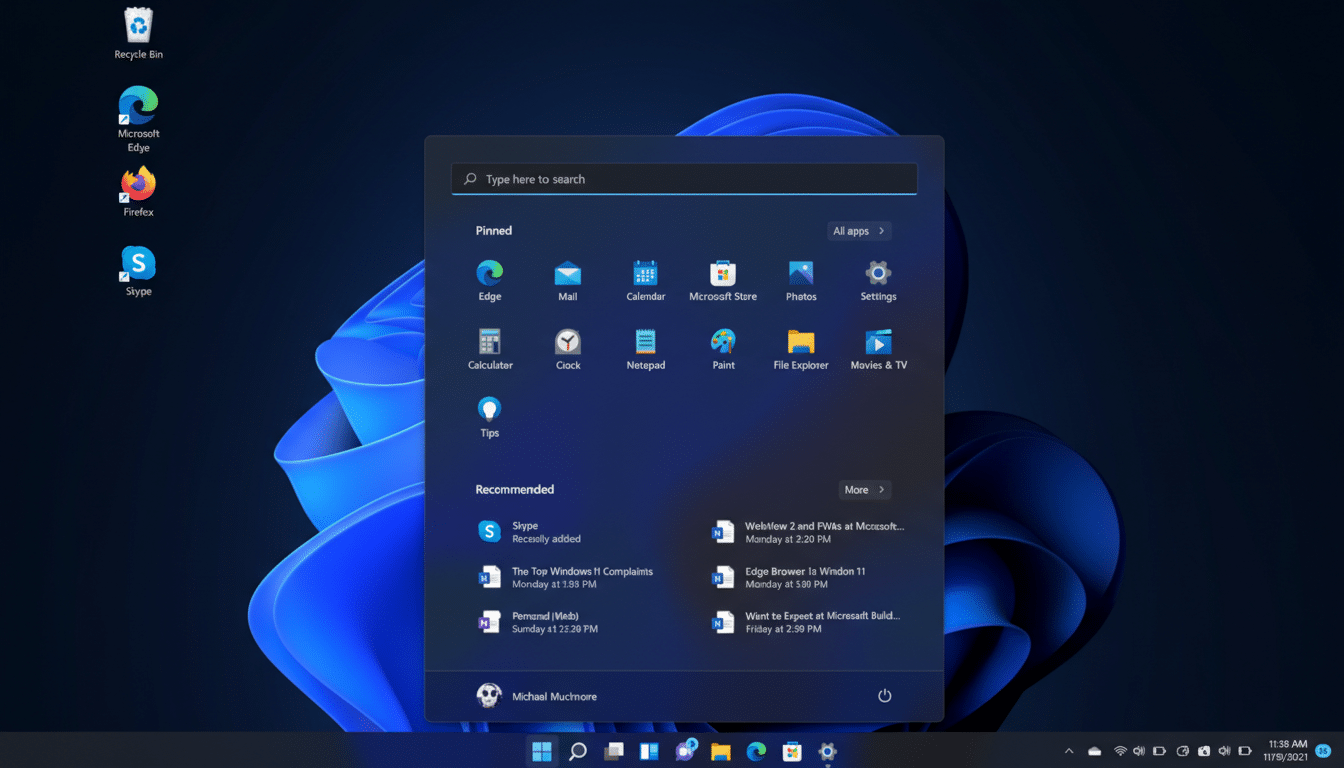
Trim Visual Effects and Reduce Unnecessary Notifications
Windows 11’s flourish comes with a cost. Go to Settings > Personalization > Colors and switch off Transparency effects to reduce GPU overhead. Then open Settings > Accessibility > Visual effects to turn off Animation effects if you prefer snappier windowing on older or thermally constrained hardware.
Next, open Settings > System > Notifications and toggle Notifications off to eliminate constant interruptions. At minimum, expand the additional options and disable tips and suggestions so the OS stops surfacing promotional prompts and recommendations while you work.
For apps you rarely use, limit their background activity. Go to Settings > Apps > Installed apps, select an app’s Advanced options, and set Background app permissions to Never. This cuts down on silent updates and telemetry that can quietly consume memory and wake the disk.
Verify Security Settings and Run a Thorough, Clean Scan
Malware, adware, and rogue extensions are classic sources of pop‑ups, browser redirects, and unexplained CPU spikes. Open Windows Security > Virus & threat protection and run a Quick scan. If symptoms persist, choose Microsoft Defender Offline scan to check for persistent threats before Windows fully loads.
Ensure Real‑time protection, Cloud‑delivered protection, and SmartScreen are enabled. Independent labs such as AV‑TEST and SE Labs regularly rate Microsoft Defender’s core detection highly, but a reputable second‑opinion scanner can help catch nuisanceware and phishing add‑ons. Run on‑demand tools from trusted vendors and avoid overlapping real‑time engines.
Don’t overlook the browser. Resetting your default browser settings, removing unknown extensions, and enabling built‑in tracking protection can halt redirects and free resources—especially on systems where the browser is effectively the primary workspace.
When to Go Beyond These Fixes and Try Deeper Repair Steps
If problems survive these four checks, escalate methodically: run System File Checker and DISM to repair system images, test memory with Windows Memory Diagnostic, and verify storage health via Settings > System > Storage > Advanced storage settings. As a last resort, a repair install using the latest Windows image preserves files while refreshing the OS.
Most users, however, won’t need to go that far. Keeping updates and drivers current, curbing startups and sync, trimming visual extras, and confirming a clean security baseline resolves the bulk of Windows 11 complaints—often restoring that day‑one responsiveness in a single sitting.
