


A new smart ring feature is taking aim at one of the most stubborn health mysteries: what actually sets off your migraines. Ultrahuman has announced Migraine PowerPlug, a software tool for its smart ring platform that analyzes your daily patterns and flags likely triggers, then serves up personalized, science-informed recommendations to reduce attacks. The rollout is planned after an initial pilot, with availability in the US, Canada, the EU, India, Australia, and additional markets.
What The Migraine Feature Actually Does For Users
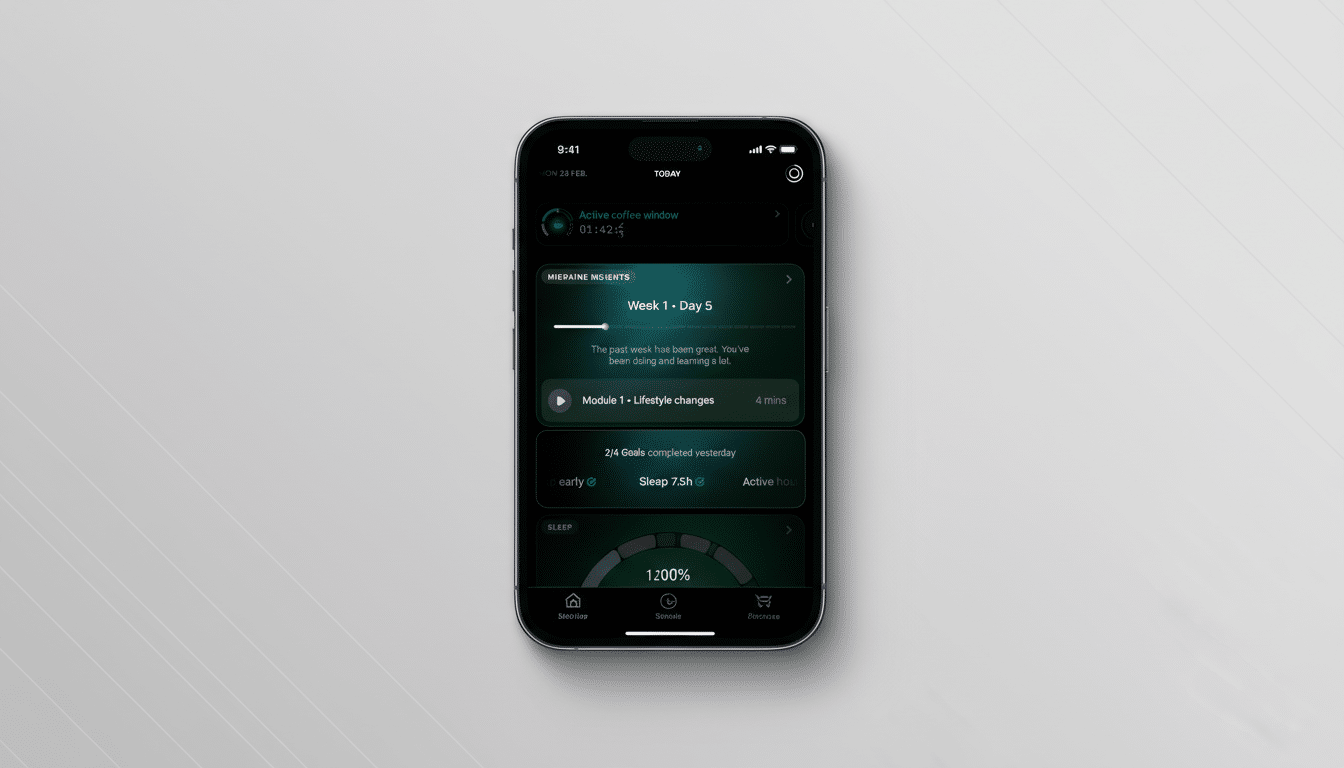
Migraine PowerPlug taps the ring’s existing data streams—sleep quality, activity profiles, stress signals, and heart rate variability—to identify correlations between your behaviors and migraine events. If your attacks tend to follow late nights, high stress, or inactivity, the feature is designed to surface those patterns and suggest concrete changes, such as a structured sleep plan, hydration targets, or adjustments to workout timing.
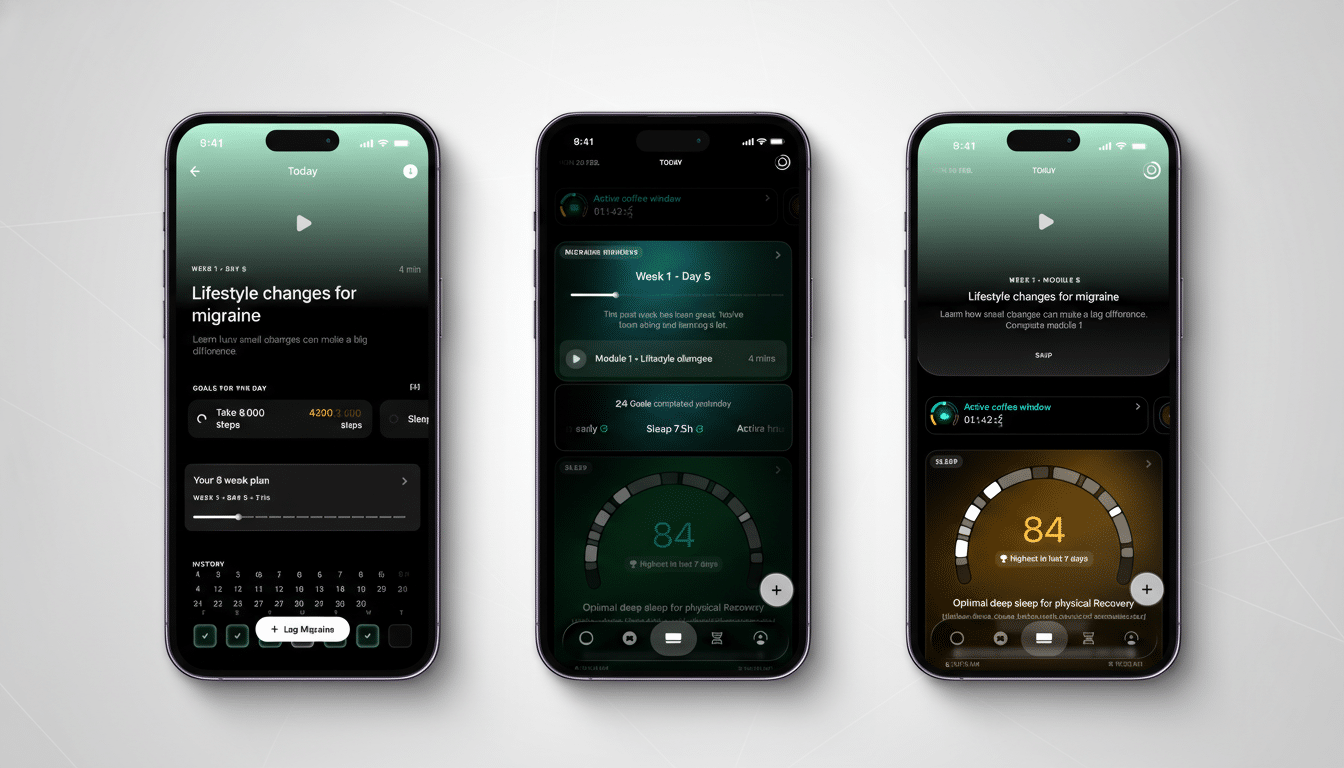
Ultrahuman built the tool in partnership with Click Therapeutics, a company known for digital therapeutics that translate behavioral science into day-to-day guidance. The approach mirrors what neurologists recommend in the clinic—consistent routines, trigger awareness, and early intervention—but automates the tedious tracking and trend-spotting that few patients keep up with over time.
Imagine this scenario: your ring notes three recent attacks preceded by a drop in heart rate variability, reduced deep sleep, and late evening high-intensity workouts. Migraine PowerPlug could recommend moving training earlier, introducing wind-down habits, and setting reminders to hydrate throughout the afternoon—aiming to break the pattern before the next attack.
Why It Matters For People Living With Migraine
Migraine affects more than 1 billion people worldwide and is a leading cause of disability, according to the Global Burden of Disease study. The American Migraine Foundation notes that common triggers include sleep disruption, dehydration, stress, certain foods, and hormonal fluctuations. The challenge is that triggers are highly individual; what sparks one person’s attack may be harmless to another.
Traditional migraine diaries help, but they’re labor-intensive and subjective. By passively collecting physiological and behavioral data, a ring can reduce friction and improve recall, providing a longitudinal, objective view of your life rhythms. For users who already rely on the ring for recovery insights, layering in migraine-specific analysis could make the data far more actionable.
The Science Behind It And The Caveats To Consider
Heart rate variability is a well-studied marker of autonomic balance and stress load; low HRV often tracks with poor sleep and elevated strain. In migraine, stress swings and sleep irregularity are frequently implicated, and clinicians often prescribe stabilization strategies—consistent bedtimes, regular meals, moderate exercise, and hydration—as first-line nonpharmacologic measures, supported by guidance from neurology societies.
Still, correlation isn’t causation. A spike in stress and a migraine on the same day doesn’t prove stress caused the attack. Wearable sensors also have measurement limits, and models can produce false positives if users don’t consistently log attacks. Expect the pilot phase to focus on validating the algorithms, refining prompts, and balancing sensitivity with usefulness. Data privacy and control will be another key consideration; users should be able to review, export, and manage their health data transparently.
How It Compares In The Wearables Landscape
Most wearables offer generalized stress, sleep, or readiness scores; few deliver migraine-specific coaching. Clinical migraine tools exist—such as neuromodulation devices cleared by regulators—but they require separate hardware and workflows. Embedding a trigger-detection layer into a ring people already wear all day could increase adherence and turn passive metrics into targeted prevention, particularly for those using lifestyle changes alongside medications.
Availability Details And What Comes Next For Users
Migraine PowerPlug is slated to land on Ultrahuman smart rings after a pilot program, with initial markets including North America, Europe, India, and Australia. Users should expect an onboarding flow that encourages tagging migraine events so the model can personalize quickly, followed by ongoing nudges as patterns emerge.
If the feature delivers on its promise, it could shift migraine management from reactive to proactive—catching risky patterns early and arming users with practical steps before pain takes hold. For a condition that steals hours, days, and productivity, even small gains in predictability can feel like a breakthrough.
