


The Trump administration has taken a significant step toward blocking the sale of new foreign-made drones in the United States, adding economic and national security fears to long-simmering concerns about Chinese devices. The move essentially prohibits the arrival of new models by market leaders such as DJI, which supplies up to 80 percent of drones with cameras.
Owners can continue to fly, but retailers and importers are barred from importing new models.
- What the FCC Changed and Why It Matters for Drones
- DJI in the Crosshairs as New FCC Rules Halt Models
- Who Else Gets Swept Up Under the Foreign Drone Ban
- What It Means for Pilots and for Agencies
- Domestic Makers See an Opportunity as Demand Shifts
- The Regulatory Backdrop Behind the New Drone Restrictions
- Key Numbers and What to Watch as the Ban Takes Effect
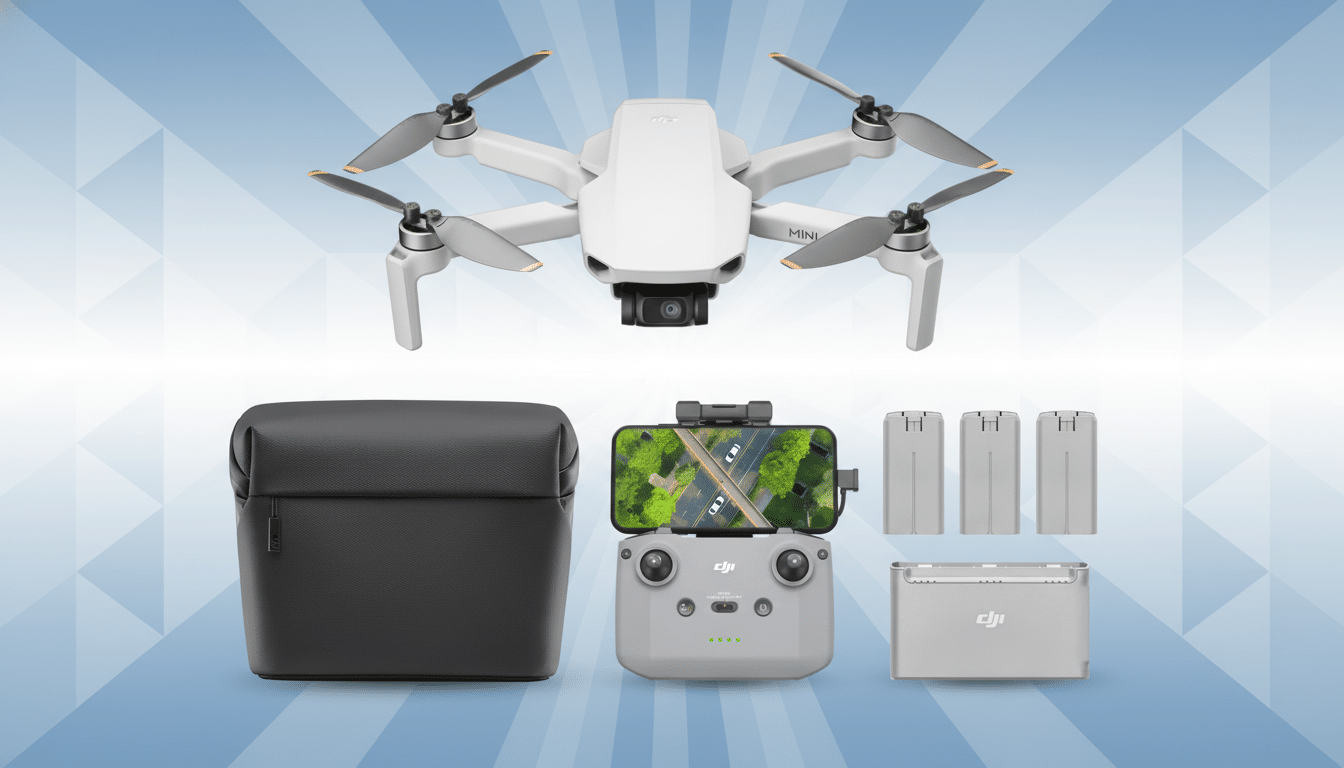
The Federal Communications Commission amended its Covered List to include unmanned aircraft systems and certain “critical components” made overseas, effectively barring equipment authorization for new foreign drones. They won’t be sold in the U.S. if new models don’t receive approval to operate radio-frequency components, no matter their availability abroad.
What the FCC Changed and Why It Matters for Drones
That list is the FCC’s Covered List of equipment it deems to pose an unacceptable risk to national security. The agency also severs the equipment authorization process required of all new wireless products for foreign-made drones and critical RF-linked components. The change also coincides with broader concerns in the federal government about security risks from drones, which are feared to be susceptible to manipulation by hostiles to sniff out data, map critical infrastructure or jam communications.
And the measure goes further than previous restrictions that were mostly aimed at government procurement and reaches into the commercial and consumer markets. The upshot is that no additional foreign-made models of drones can be approved for sale, distribution or import in the U.S.
DJI in the Crosshairs as New FCC Rules Halt Models
DJI dominates the worldwide consumer drone market, with well over 50 percent of unit sales, according to most industry estimates. Here in the U.S., its Mavic, Mini and Air lines have long established dibs on the mantle for best camera quality, flight time and ease of flying. Following the FCC’s announcement, Americans should not anticipate new DJI models being approved for sale in the United States. Existing legal inventory inside the country can still be sold, but after that’s gone, it’s gone.
It is not the first federal action involving DJI. The firm has been placed on U.S. government blacklists of companies, which limits exports and investment in it. The difference now is that the gate on new product approvals has closed across the wider consumer marketplace, not just for purchasers in government.
Who Else Gets Swept Up Under the Foreign Drone Ban
The update is broad. It extends to Chinese brands like Autel, but also non-Chinese makers such as Parrot in France and Sony’s Airpeak in Japan. Under the broad language of “critical components,” beyond aircraft, radio modules, transmitters and any other parts that need FCC authorization could conceivably come into play, potentially muddying what you can upgrade or add on to an internationally made system.
Any retailer or distributor that depends on the FCC’s equipment authorization process to sell devices will struggle, whether niche-storefront entities or big-box stores, to bring into the marketplace a new foreign-made model. Secondary markets and used sales are likely to remain strong, but that’s a chokehold, not a pipeline.
What It Means for Pilots and for Agencies
Recreational and Part 107 pilots can continue to fly existing drones that are already approved. The grounding does not apply retroactively to aircraft. But if you were holding out for the next flagship camera drone or a new thermal edition that is perfect for fieldwork, your wait just got longer — and may, unless it’s U.S.-manufactured, be infinite.
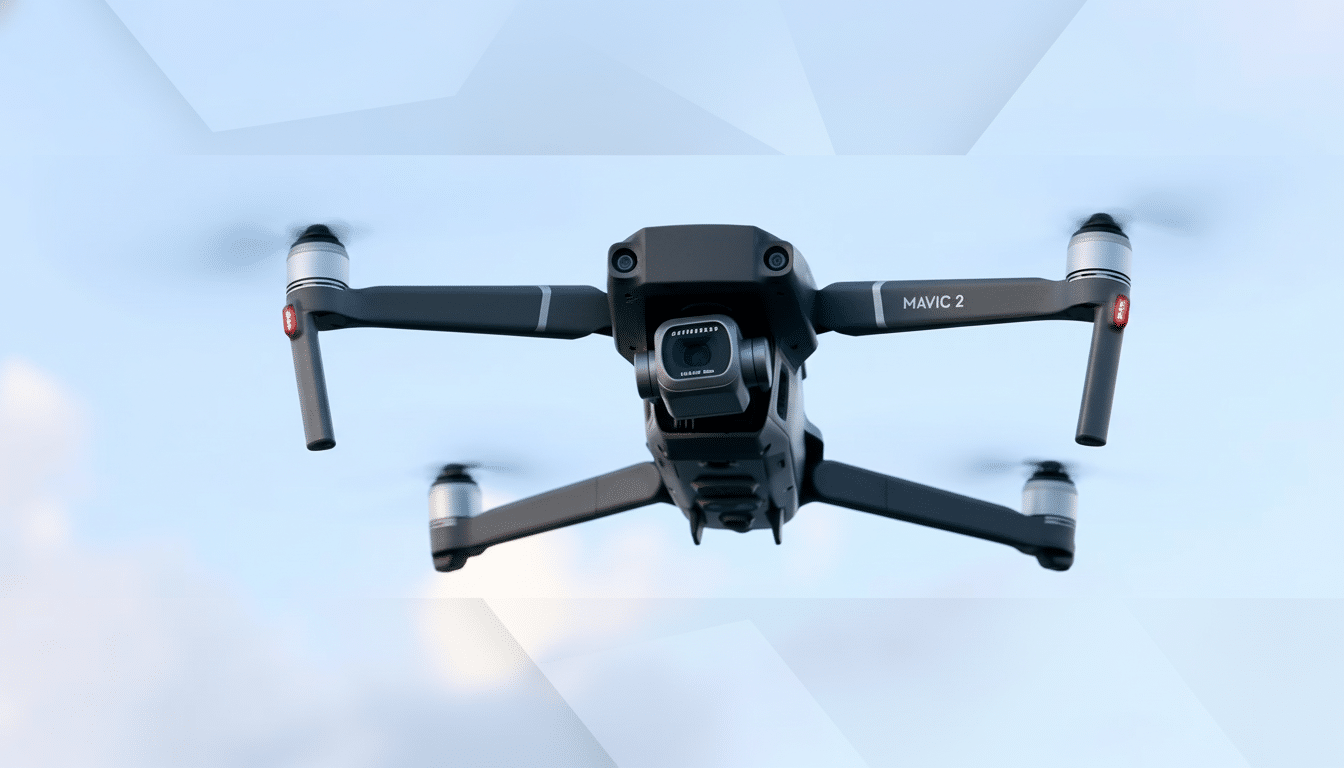
Public safety agencies (and utilities) that relied on inexpensive foreign systems have difficult decisions. Thousands of public safety programs also use small UAS for search and rescue, land management activities (fighting wildfires or mapping the aftermath of crashes), based on research by Bard College’s Center for the Study of the Drone. Shifting fleets from abroad to at-home options could stress already thin budgets and pipelines for training, especially if payload ecosystems and software workflows are not direct replacements.
Domestic Makers See an Opportunity as Demand Shifts
The move will benefit U.S. manufacturers like Skydio, Teal, BRINC and Freefly, among others. A number already participate in the Defense Innovation Unit’s Blue sUAS initiative, which has won federal contracts. Look for soaring demand for secure pathways in American-made quadcopters, especially when buying for enterprise and government applications.
The problem will be scale and price. Domestic models can be pricey, sometimes costing more than comparable foreign systems, and production capacity has been limited to date. Lead times could get longer if orders surge, and specialized payloads commonly used in the DJI ecosystem may not have domestic equivalents readily available.
The Regulatory Backdrop Behind the New Drone Restrictions
The ban is the latest addition to years of policy tightening. Congress previously limited federal agencies from procuring certain foreign drones through the National Defense Authorization Act. The Interior Department grounded nearly all of its nonemergency drone missions pending a security review. The Department of Homeland Security and the Cybersecurity and Infrastructure Security Agency have issued repeated warnings about data security and supply-chain risks to remotely piloted systems.
In changing the battlefield to the FCC’s approval process, the administration is using a mighty wedge: no RF certification, no entry into U.S. markets. It’s a crude tool that will address perceived risks speedily, even as it upends consumer choice and international trade.
Key Numbers and What to Watch as the Ban Takes Effect
More than 850,000 drones are registered in the United States, the federal government estimates, most of them recreational users. Estimates from industry researchers suggest that DJI commands more than 70 percent — and possibly much more — of the consumer side of this sector, which means the initial blow will be borne most directly by households, creative studios and small businesses.
Look for three short-term signals:
- whether the FCC specifies what “critical components” are included
- whether Customs steps up enforcement at ports of entry
- whether the administration allows narrow waivers for emergency response or inspections of critical infrastructure if domestic alternatives do not yet exist
For now, the signal to the market is clear: no more commercial foreign drones. If you are a DJI pilot, you can continue to fly. If you were hoping to see the next DJI drone, it may not be taking flight in the U.S. — and one of the country’s own manufacturers is rushing to fill the void.
