


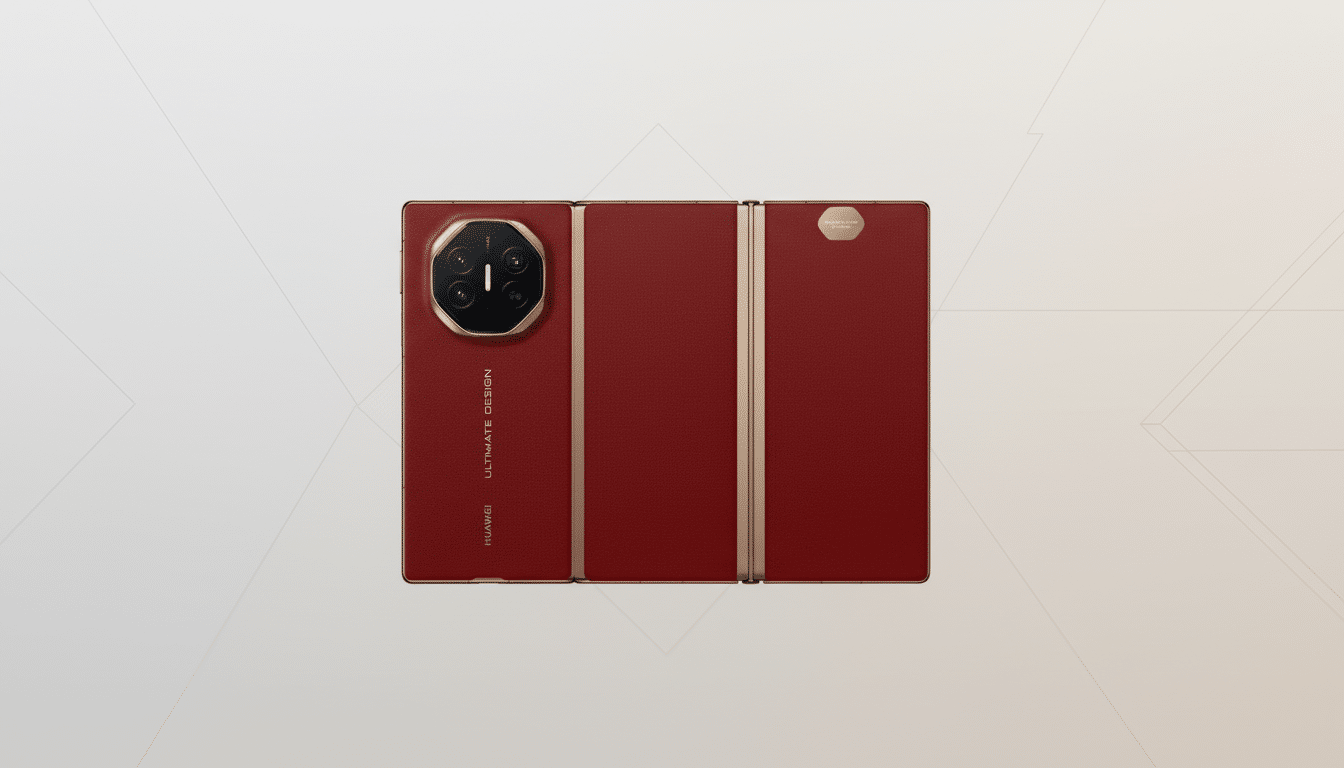
Foldable phones have moved from novelty to category, and now the conversation is shifting from “can they fold?” to “how many times should they?” With tri-fold concepts stepping into the spotlight and early models like Huawei’s Mate XT and Samsung’s tri-fold prototypes showcasing three-panel designs, the industry is testing the boundary between useful innovation and complexity for its own sake.
What tri-folds promise for screens, multitasking, and size
The pitch is straightforward: more folds mean more screen in less pocket space. A tri-fold can unfurl into a small tablet, then collapse into something closer to a slab phone. For commuters, creatives, and anyone juggling dashboards, notes, and chat windows, that’s compelling. Multi-panel designs could enable true three-pane multitasking and layouts that mimic ultraportable laptops without the keyboard bulk.
- What tri-folds promise for screens, multitasking, and size
- The hidden costs of extra hinges in tri-fold phone designs
- Durability advances meet hard limits with compound foldables
- Software and UX realities on three-panel folding phones
- What buyers are signaling so far about tri-fold devices
- Where the likely limit lies for practicality versus complexity
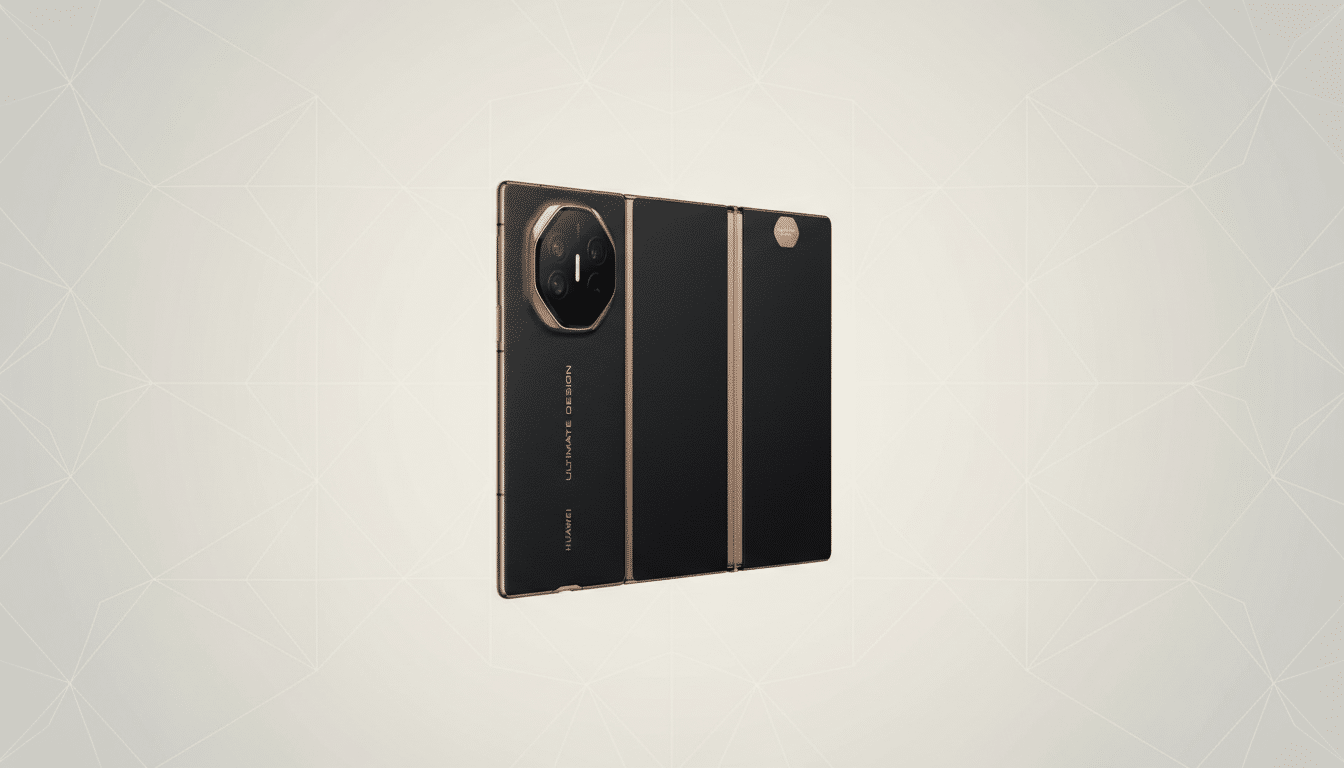
This ambition aligns with broader momentum. Analyst firms including IDC and Counterpoint Research estimate foldables now account for roughly 1–2% of global smartphone shipments, with double-digit growth as prices drift downward and durability improves. Tri-folds aim to accelerate that curve by offering more obvious utility than single-hinge devices.
The hidden costs of extra hinges in tri-fold phone designs
Each additional hinge adds mass, thickness, and failure points. Today’s large foldables already weigh 240–280 grams; adding another panel risks sailing past the comfort threshold for one-handed use. Battery design also fragments into thinner cells spread across more sections, challenging thermal management and total capacity.
Display Supply Chain Consultants has long noted that foldable OLED yields lag rigid panels, keeping costs high. A second hinge and a third panel multiply those manufacturing risks. Even if the outer shell remains slim, the bill of materials climbs, and retail prices tend to follow. That math matters in a market where most buyers still hesitate above the premium slab range.
Durability advances meet hard limits with compound foldables
Modern hinges are far tougher than early experiments. Samsung and other brands tout lab ratings of 200,000–400,000 folds, which roughly translates to years of daily use at 100 folds per day. New models have also pushed ingress protection forward, with recent flagships introducing dust resistance alongside water protection—vital progress for mechanisms with moving parts.
But compound designs complicate sealing. Two hinge channels mean twice the opportunity for particles to infiltrate, twice the segments of ultra-thin glass to protect, and longer stress paths that can amplify micro-cracks. Certification bodies like TÜV Rheinland and SGS can validate cycle counts, yet real-world abuse—pocket grit, drops, torsion—rarely mirrors lab rigs. Repair experts at iFixit have consistently flagged foldable display replacements as among the most expensive phone fixes, often exceeding $500; more panels won’t make that easier.
Software and UX realities on three-panel folding phones
Android’s large-screen push since 12L has helped, and Google has spotlighted optimized versions of many top apps. Split-screen and taskbars now feel less like workarounds. Still, tri-folds introduce additional aspect ratios and intermediate states that designers must anticipate. If apps pillarbox awkwardly or reflow unpredictably across three segments, the benefit of extra canvas evaporates.
There’s also the crease question. Even with ultra-thin glass and better stack materials, visible valleys persist. On a tri-fold, you get more of them. For reading, drawing, or timeline scrubbing, those interruptions can be more than cosmetic. Human factors matter: touch targets near creases, stylus glide across seams, and palm rejection on multi-panel spans all demand polish.
What buyers are signaling so far about tri-fold devices
Consumer data suggests practicality still trumps spectacle. Clamshells, which offer a single hinge and pocketable footprint, have captured growing share because they solve a clear problem—shrinking a big-screen phone. Book-style models appeal to productivity users but remain heavier and pricier. Tri-folds promise a leap, yet early hands-on impressions across the industry emphasize heft and complexity as immediate trade-offs.
Price sensitivity is the gatekeeper. Counterpoint has reported stronger adoption when foldables dip closer to mainstream flagships. If tri-folds demand a premium that’s hundreds above two-panel devices, they risk becoming showcase tech for enthusiasts rather than a mass-market pivot.
Where the likely limit lies for practicality versus complexity
For most users, one fold hits the sweet spot for portability; two folds might satisfy a subset that truly replaces a tablet. Beyond that, returns diminish quickly. The third hinge brings disproportionate penalties in weight, reliability, price, and UX complexity that most people won’t forgive, even with a bigger display.
The path forward seems clear: perfect the single and dual-hinge experiences with lighter frames, stronger cover glass, subtler creases, and bulletproof dust protection; push software to treat every fold state as intentional; and land pricing that doesn’t demand a luxury tax. If tri-folds can cross those checkpoints, they’ll earn their place. Until then, two feels like the sensible ceiling—and the real test is whether the extra fold solves daily problems better than it creates them.
