


As the riding season draws closer several Ontario residents are preparing their all-terrain vehicles (ATVs), side-by-sides, and utility task vehicles (UTVs) to go out and have some fun. It could be a wooded trail, cottage property or a backcountry route; it does not matter, since time spent in getting to know insurance responsibilities is as essential as tires and safety gear. Most riders think that insurance regulations are universal, yet Ontario law has very different approaches to various riding locations.
All riders ought to be aware of the application of ATV insurance in Ontario to various contexts before going out. Insurance is usually mandatory based on the nature of property to which an off-road vehicle is applied. When riding solely on the private land of the vehicle owner, this is not recognized as a similar use to the riding in the municipal roads where off-road vehicles are allowed to ride or in the Crown land. Being aware of these differences enables riders to be free of legal complications and at the same time they are well covered in case of an accident.
- Why Riding Location Matters
- Public Trails and Crown Land Add New Responsibilities
- Roads Have Different Rules
- Side-by-Sides and UTVs May Need Different Insurance Considerations
- Beyond Liability Coverage
- Safe Riding Starts Before the Engine Does
- Choosing Coverage That Matches Real Riding Habits
- Final Thoughts
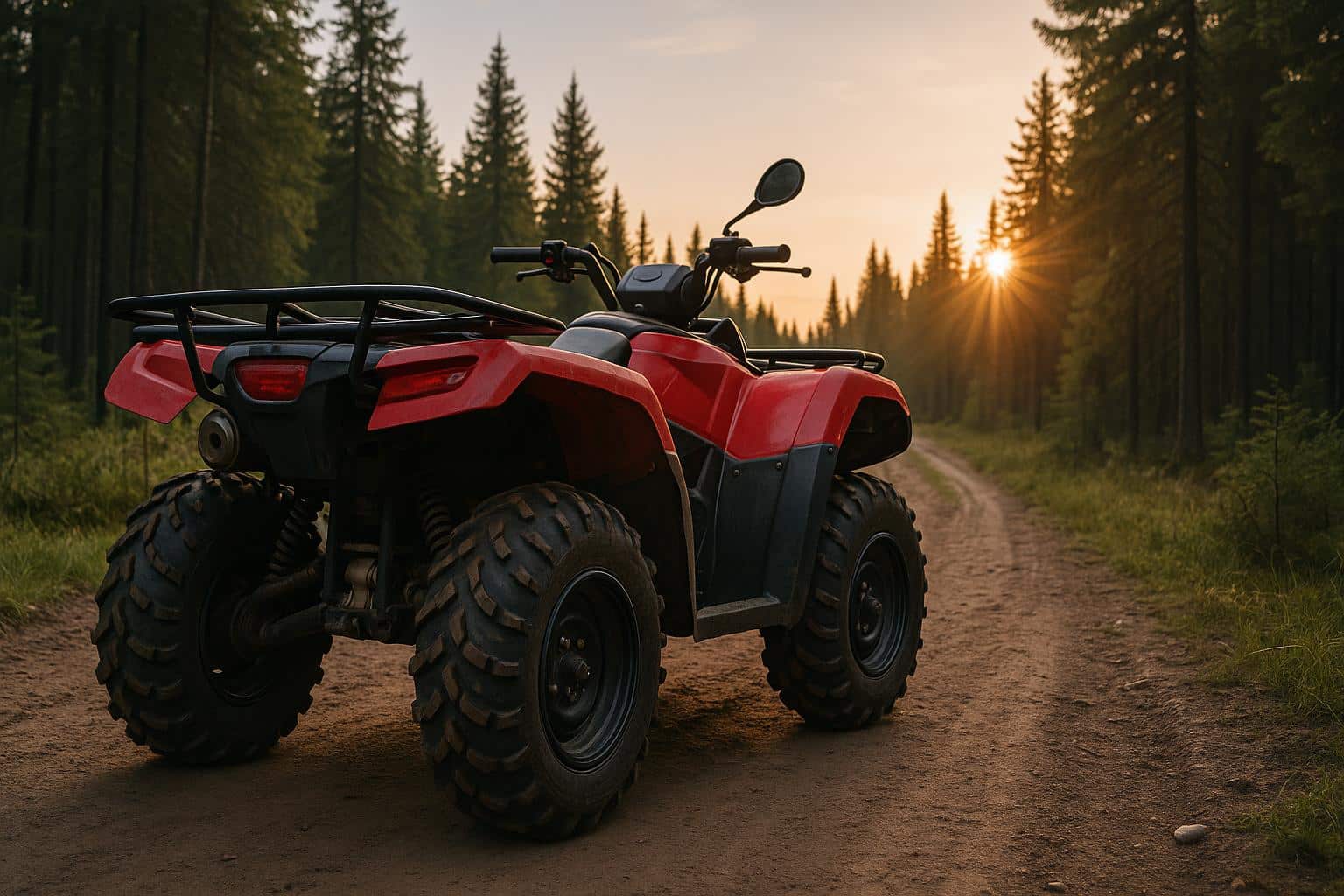
Why Riding Location Matters
The greatest misconception among the ATV owners is that the insurance requirements are the same irrespective of the location of riding. Actually, the Ontario rules differentiate between privately owned lands and the ones that are publicly available.
In cases where the ATV is employed on privately owned land owned by the rider, insurance is not necessarily legal. Nevertheless, a significant number of owners prefer to have the coverage since accidents, injuries, theft or property damage may occur in any location.
The case is very different after a rider is out of the area of a private property. The public trails, Crown land and roads where off-road vehicles are legally allowed usually necessitate the riders to comply with Ontario insurance requirements. The liability cover is of utmost importance since riders can meet other vehicles, pedestrians, cyclists, or recreational users.
Learning about these variations prior to each trip allows riders to be in compliance with provincial laws and minimize financial risks.
Public Trails and Crown Land Add New Responsibilities
Ontario has thousands of kilometres of marked ATV routes, and access to vast Crown land, which attracts off-road lovers. Although the areas offer some thrilling experiences of studying nature, they are more responsible.
Riders are exposed to more unpredictable situations in the public riding environments, such as:
- Collisions with other off-road vehicles.
- Changing trail conditions
- Wildlife crossings
- Shared recreational areas
- Far areas in which emergency help might be delayed.
Due to these augmented risks, insurance forms a significant aspect of responsible riding. Liability coverage assists in insuring riders in case they are held legally liable in case of injuries or property damage on others.
Most of the trail systems are well organized and require insurance documents to gain access.
Roads Have Different Rules
In some Ontario municipalities, properly equipped ATVs are permitted on designated roads through certain local bylaws. These authorizations do not do away with insurance requirements.
In case off-road vehicles are used on the approved public roads, riders usually need to follow the legal requirements of Ontario concerning insurance, registration, licensing, and safety equipment.
The owners should ensure that local regulations are observed before riding on any municipal road since the rules may not be similar across different municipalities.
Side-by-Sides and UTVs May Need Different Insurance Considerations
The level of risk associated with not all off-road vehicles is the same. Depending on the model, standard ATVs are typically designed to carry one or a rider with a passenger, whereas side-by-sides and UTVs can typically carry several passengers and heavier cargo.
The differences may have the following impact on the insurance requirements:
- The number of passengers might expose them to more liability.
- The value of the vehicle can be influenced by cargo and equipment.
- There can be a difference in recreational and work uses.
- The bigger vehicles can be used in other surroundings compared to the conventional ATVs.
Owners who utilize their vehicles in farming, hunting, cottage repairs or in commercial operations might not require the same insurance considerations as someone who rides solely recreationally.
Since each case is different, coverage must be based on how and where the vehicle is being utilized and not on how all ATV policies offer the same coverage.
Beyond Liability Coverage
Although liability insurance is commonly the legal necessity to ride on most public grounds, it is also advisable that riders are aware of the worth of optional cover.
Owners can opt to cover:
- Theft
- Fire
- Vandalism
- Collision damage
- Comprehensive losses
- Damage during transportation
- Uninsured drivers as necessary.
Weather conditions in Ontario are not predictable and off-road vehicles are usually costly investments. The right insurance can be used to minimize unforeseen losses in case of accidents or other incidents covered by the insurance.
Safe Riding Starts Before the Engine Does
Insurance is not the entirety of getting ready to ride this season. Proper owners are also required to do a proper safety check before going out.
Some of the pre-season checks are:
- Checking tires to check wear and inflation.
- Brakes and steering tests.
- Turning on lights where necessary.
- Confirming fluid levels
- Investigating winches and tow gear.
- Wearing safety helmets and safety equipment.
- Bringing first aid in case of remote rides.
By maintaining the correct maintenance as well as incorporating the right insurance, all are ensured a safer ride throughout the Ontario trails and recreational places.
Choosing Coverage That Matches Real Riding Habits
Each rider applies his/her off-road vehicle in a unique way. Others spend the weekends riding through organized trail systems, and others ride their ATV in a rural property or cottage. Others travel across the Crown land on a regular basis or they use side-by-sides as a recreational and utility purpose.
Since no one fits all vehicles in a vehicle use ride, it is convenient to compare the insurance plans with actual vehicle use rather than choosing insurance covers based on their prices alone. A separate brokerage will be able to clarify the way in which the various policies cover the different riding places, types of vehicles and the way they are to be utilized.
To do even more research on their choices, the independent Ontario brokerage Oegema, Nicholson & Associates can assist in comparing the coverage based on how and where people actually ride, regardless of whether they have a conventional ATV, a side-by-side or a UTV.
Final Thoughts
Training Ontario to ride is more than just filling up the tank and doing the next adventure. Riders would know when insurance is a legal requirement especially when they are out of the private territory on a trail, a road or a Crown land. They ought also to be aware of the fact that side-by-sides and UTVs may not possess the same risk profile as standard ATVs due to the passenger numbers and usage of cargo.
Knowing the insurance needs of Ontario, assessing their individual riding habits, and seeking advice when necessary, ATV owners will be able to spend more time outdoors and also contribute to the overall responsibility of making sure that they are covering their legal obligations during the entire riding season.

