


Wearables have evolved from simple step counters into full-scale physiological monitoring systems. Heart Rate Variability (HRV) is a technology that scores HRV and predicts recovery time from workouts, providing valuable insights into stress and recovery. In 2026, the most advanced apps no longer just collect heart rate data — they analyze heart rate variability (HRV), sleep patterns, blood oxygen, activity load, and behavioral trends using artificial intelligence.
For users trying to manage stress, prevent burnout, optimize recovery, or understand subtle physical symptoms, AI-powered health apps connected to Apple Watch and other smartwatches have become essential tools. Many stress apps are free or offer free features, making stress management tools more accessible to users on their phone.
HRV apps can help identify sources of chronic inflammation and predict illness risk, which is helpful for long-term wellbeing.
These apps are used by a variety of professionals, including elite athletes and healthcare providers, to monitor well-being and performance.
Stress apps can be helpful for building healthy habits and preparing for future stressors. It’s important to note that affect (emotional state) can influence HRV readings and recovery assessments, impacting overall wellbeing.
Understanding Heart Rate Variability
Heart Rate Variability (HRV) is a key indicator of your body’s ability to adapt to stress and maintain overall well-being. Simply put, HRV measures the tiny variations in time between each heartbeat—a window into how your nervous system responds to daily challenges, emotions, and recovery needs. A higher HRV generally signals a resilient, adaptable nervous system, while lower HRV can indicate stress, fatigue, or even early signs of illness.
HRV analysis has become a cornerstone of modern stress management. By tracking HRV readings with an accurate HRV app, you gain real-time insights into your stress response and recovery trends. Apps like Elite HRV make it easy to measure HRV, offering personalized recommendations for breathing exercises, guided meditations, and other stress relief techniques. These tools empower you to manage stress proactively, rather than reactively, helping you build resilience and support your mental health journey.
The connection between HRV and mindfulness is especially powerful. Regular meditation and mindfulness practice have been shown to increase HRV, reduce stress, and improve mood. Many HRV tracking apps now include guided meditations and breathing exercises, making it simple to incorporate self care into your daily routine. By monitoring your HRV before and after meditation, you can see tangible progress in your ability to relax and recover.
For those managing anxiety, depression, or other mental health challenges, HRV analysis offers a data-driven way to track progress and shape therapy or coaching programs. Research shows that HRV trends can provide early warning signs of burnout or emotional distress, allowing patients and therapists to adjust strategies for better outcomes. With accurate, visual data at your fingertips, you can work with your therapist or coach to develop a personalized plan for stress relief and emotional well-being.
Athletes and fitness enthusiasts also rely on HRV tracking to optimize training and recovery. By measuring HRV daily, you can fine-tune your exercise program, avoid overtraining, and maximize performance. Whether you’re an elite competitor or simply striving for a healthier life, HRV insights help you understand how your body responds to stress, sleep, and activity—so you can make informed decisions for your health.
Ultimately, HRV analysis is more than just a number—it’s a powerful tool for self-awareness, resilience, and long-term well-being. With the right HRV app, you can monitor trends, receive personalized recommendations, and take meaningful steps to reduce stress, improve sleep, and support your mental health. Whether you’re meditating, training, or simply seeking a healthier balance, HRV tracking puts the science of stress management in the palm of your hand.
Top 10 AI-powered stress and HRV tracking apps
Below is a curated list of the Top 10 AI-powered stress and HRV tracking apps in 2026, selected based on:
- AI depth and personalization
- HRV analytics quality (the accuracy of HRV apps is comparable to a 5-lead ECG/EKG, and accurate HRV readings require consistent measurement conditions, such as the same time of day)
- Stress & recovery insights
- Apple Watch / smartwatch compatibility
- Integration of sleep, activity, and biometrics
Welltory

Best for: Deep AI stress analytics & HRV interpretation
Welltory stands out for its advanced AI engine that interprets HRV data in the context of sleep, activity, blood oxygen, and lifestyle patterns. The app places a strong emphasis on accuracy, using sensor validation and artifact removal to ensure reliable HRV measurements. Its HRV analysis accuracy is comparable to a 5-lead ECG/EKG, the gold standard for HRV analysis. Instead of simply showing raw metrics, it translates autonomic nervous system signals into understandable stress, energy, and recovery insights.
Key features:
- AI-based HRV stress scoring
- Burnout risk indicators
- Blood oxygen & activity balance analysis
- Apple Watch & multiple wearable integrations
- Detailed trend breakdowns
Welltory is especially strong in identifying hidden stress accumulation before users feel symptoms — making it ideal for high-performers, executives, and athletes.
WHOOP
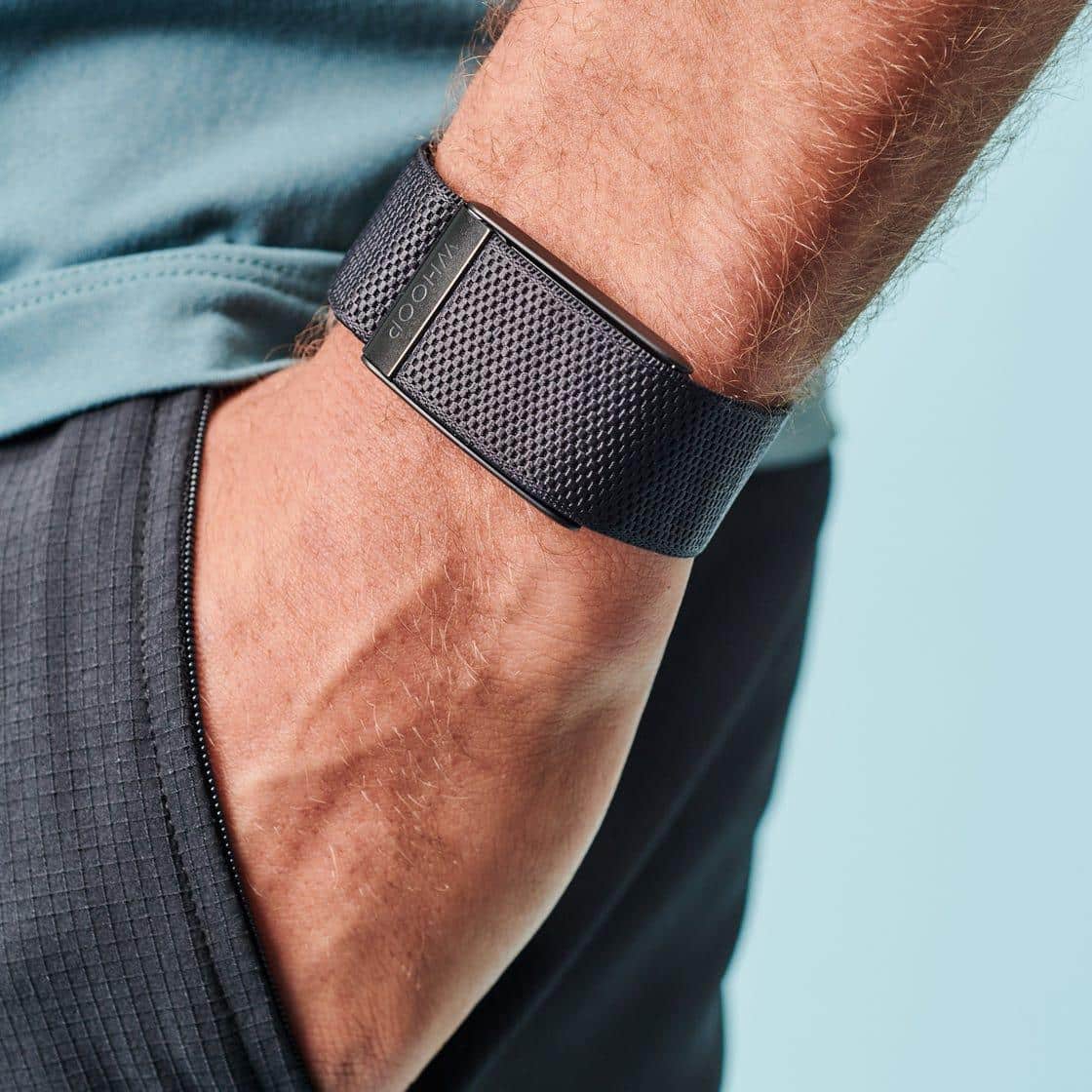
Best for: Athletes & performance optimization
WHOOP focuses on strain, recovery, and HRV monitoring. Its AI model adapts daily strain recommendations based on physiological readiness. Users can use HRV data to decide when to train or rest, as HRV technology scores your HRV and predicts recovery time from workouts, helping optimize training schedules and prevent overtraining.
Highlights:
- HRV-driven recovery score
- Sleep debt tracking
- Strain coaching
- Personalized performance insights
WHOOP is ideal for users focused on athletic recovery rather than general wellness.
Oura
Best for: Sleep-focused stress monitoring
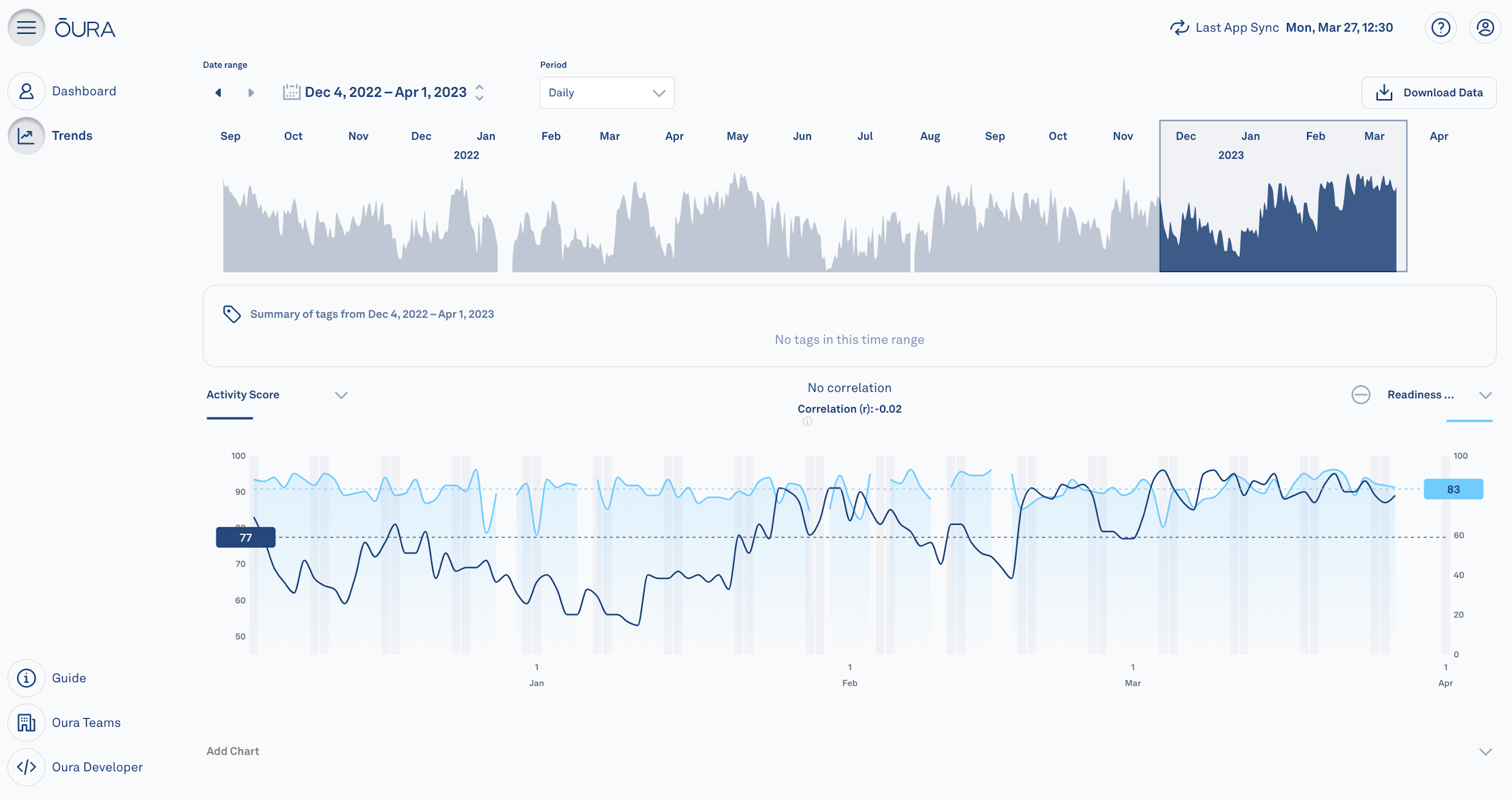
Oura Health integrates HRV, resting heart rate, and temperature trends into a daily readiness score. It also tracks deep sleep to help inform recovery strategies and stress reduction, making it valuable for optimizing overall well-being.
Highlights:
- Advanced sleep tracking
- HRV baseline monitoring
- Stress trend visualization
- Recovery recommendations
Oura is strong in long-term pattern detection and subtle recovery signals.
Garmin Connect
Best for: Fitness + stress balance
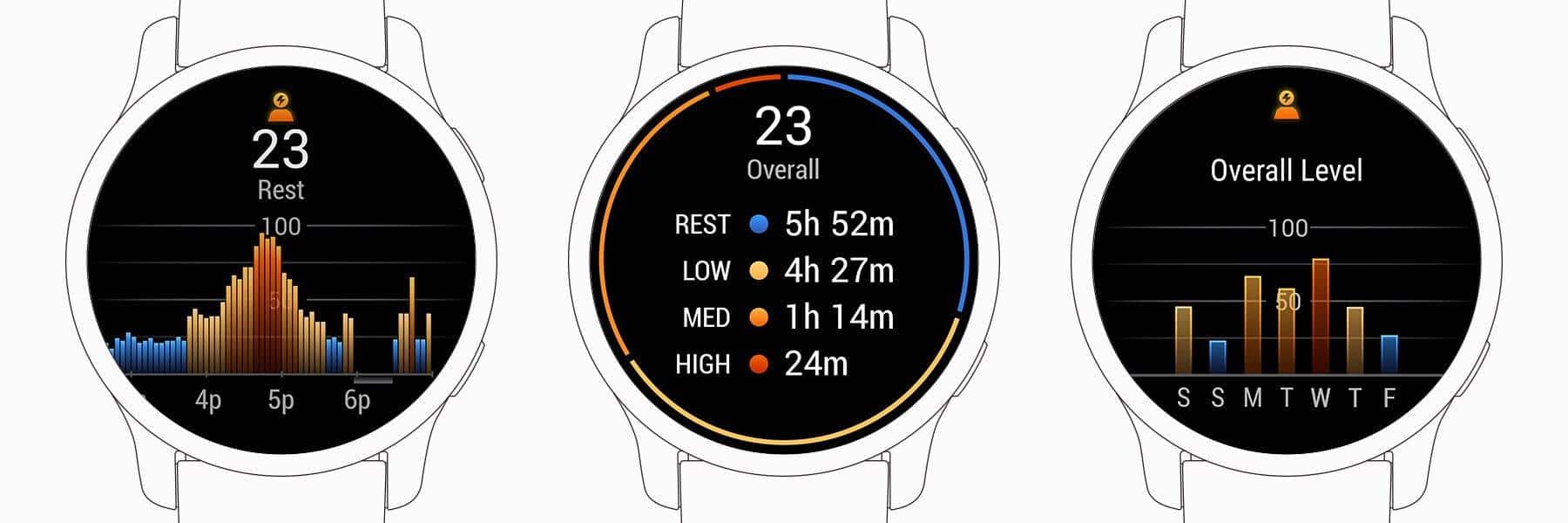
Garmin offers “Body Battery,” a feature combining HRV, stress, and activity load.
Highlights:
- HRV status tracking
- Stress level monitoring
- Activity load integration
- Broad smartwatch ecosystem
Garmin works well for users already in its hardware ecosystem.
Elite HRV
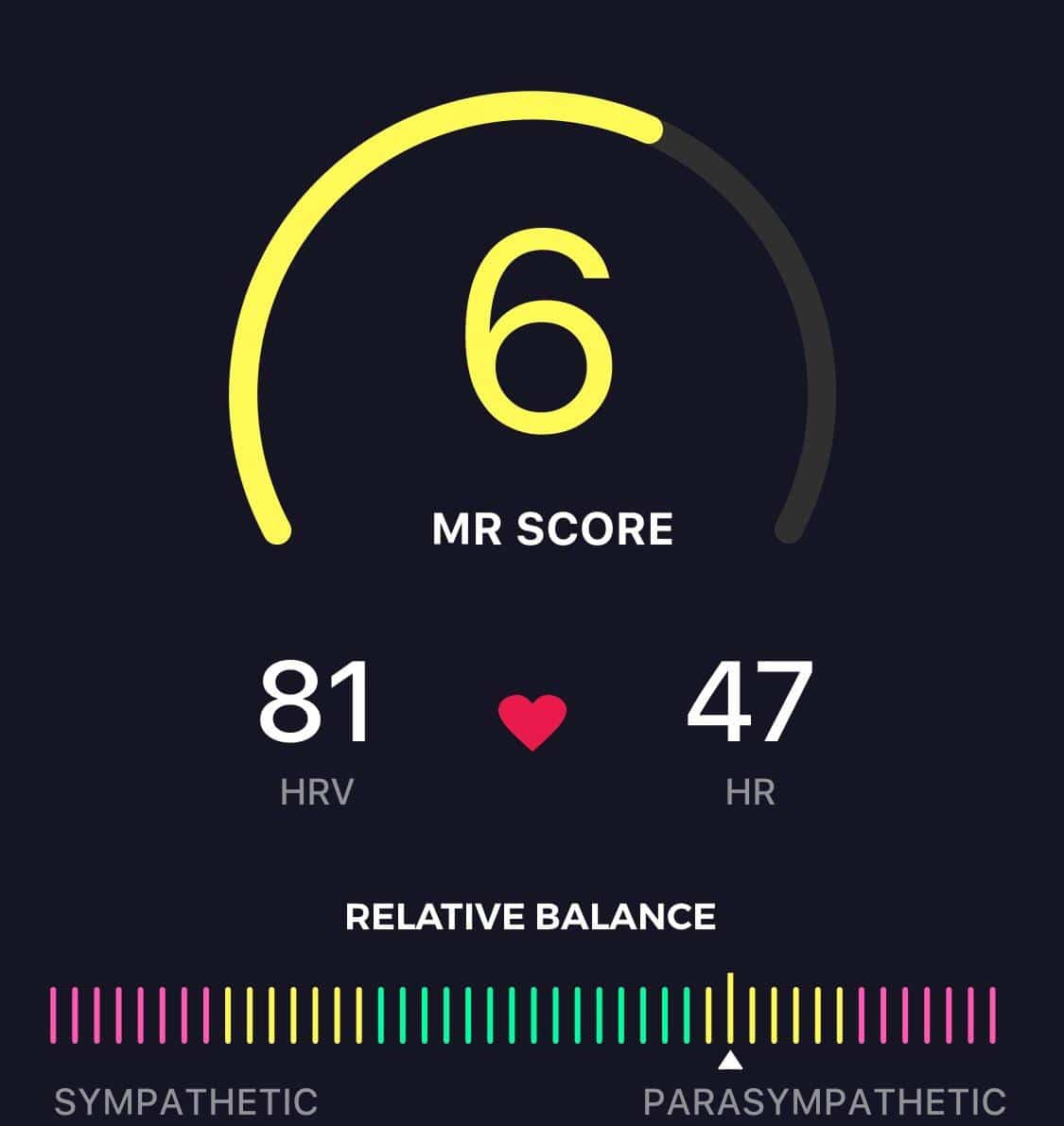
Best for: Data-driven HRV purists
Elite HRV focuses primarily on raw HRV analysis and trend tracking.
Highlights:
- Detailed HRV charts
- Morning readiness checks
- Training recovery feedback
Less lifestyle-oriented, more technical.
Fitbit
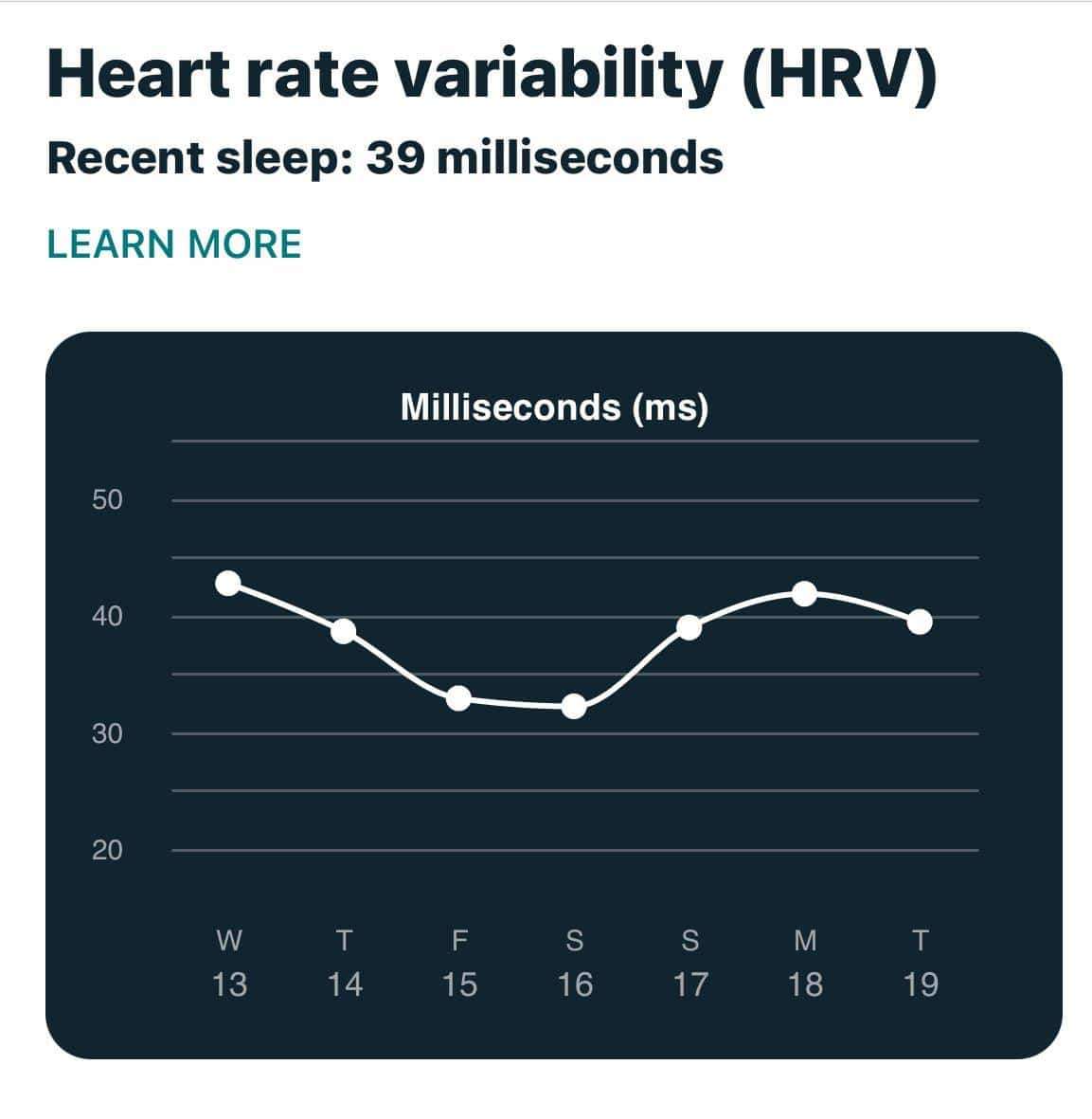
Best for: All-in-one smartwatch health tracking
Fitbit integrates HRV into a broader stress management score. Its holistic approach supports overall wellbeing and encourages healthy habits, helping users maintain both physical health and mental resilience.
Highlights:
- Stress management score
- Sleep tracking
- Blood oxygen monitoring
- Guided breathing
Strong for mainstream users.
Apple Health
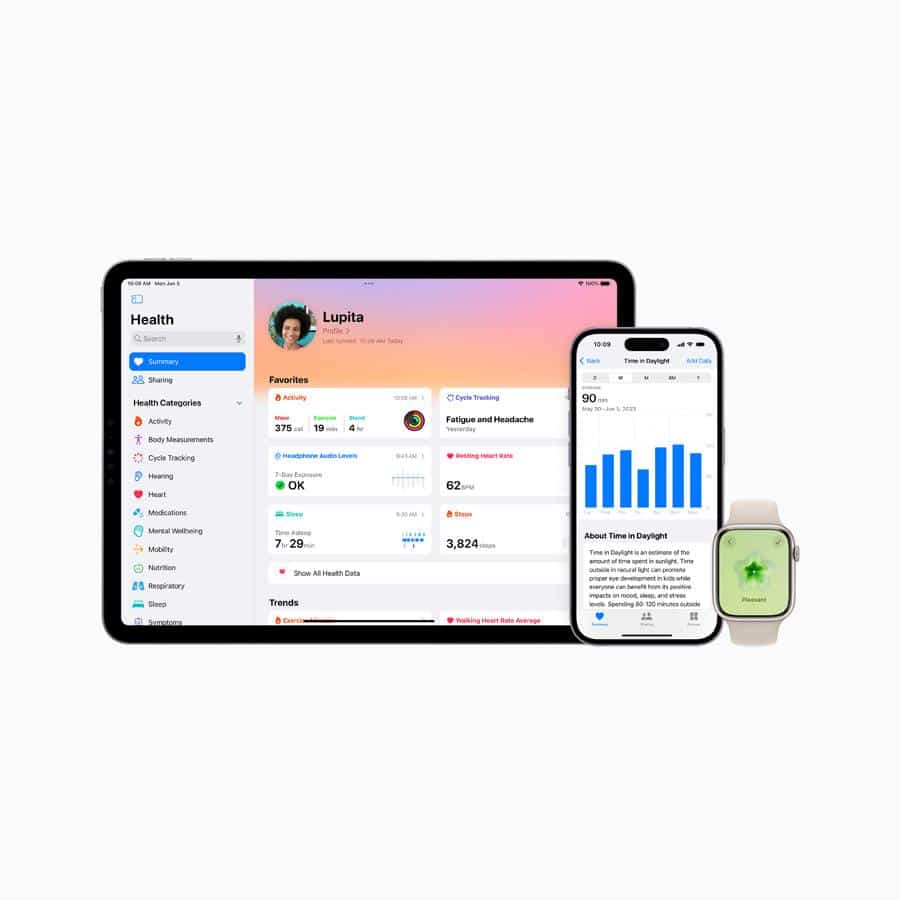
Best for: Apple ecosystem users
Apple Inc. provides HRV data via Apple Watch. Users can access these insights directly from their phone, making stress and health tracking more convenient. AI interpretation depends on connected apps.
Highlights:
- Native HRV capture
- ECG support
- Blood oxygen tracking
- Integration flexibility
Works best when paired with advanced AI apps.
Training Today
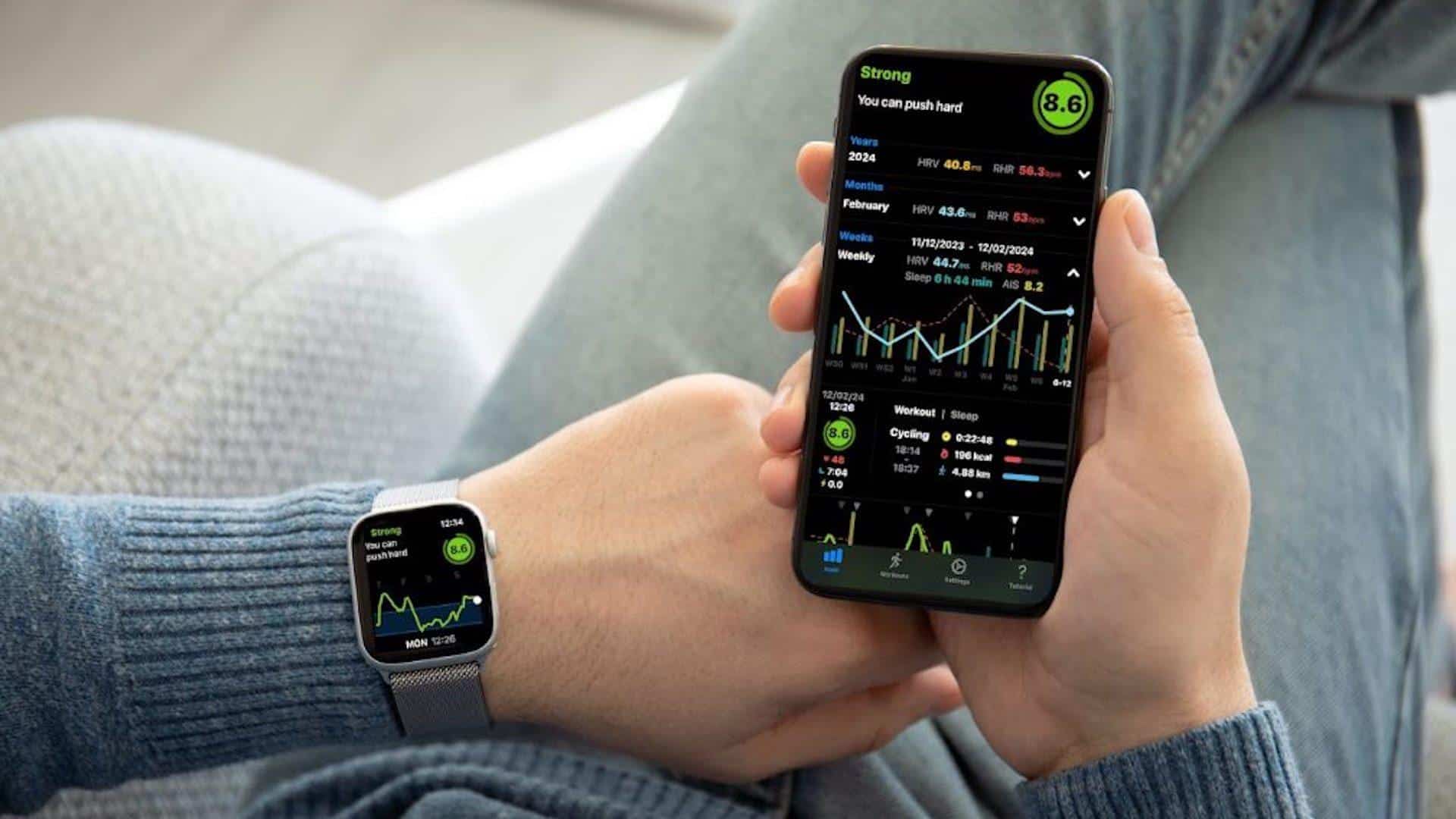
Best for: Simple readiness scoring
Training Today provides a daily readiness metric based on HRV from Apple Watch.
Highlights:
- Quick recovery score
- Apple Watch native
- Minimal interface
Good for users who prefer simplicity.
Levels (Glucose + Stress Integration)
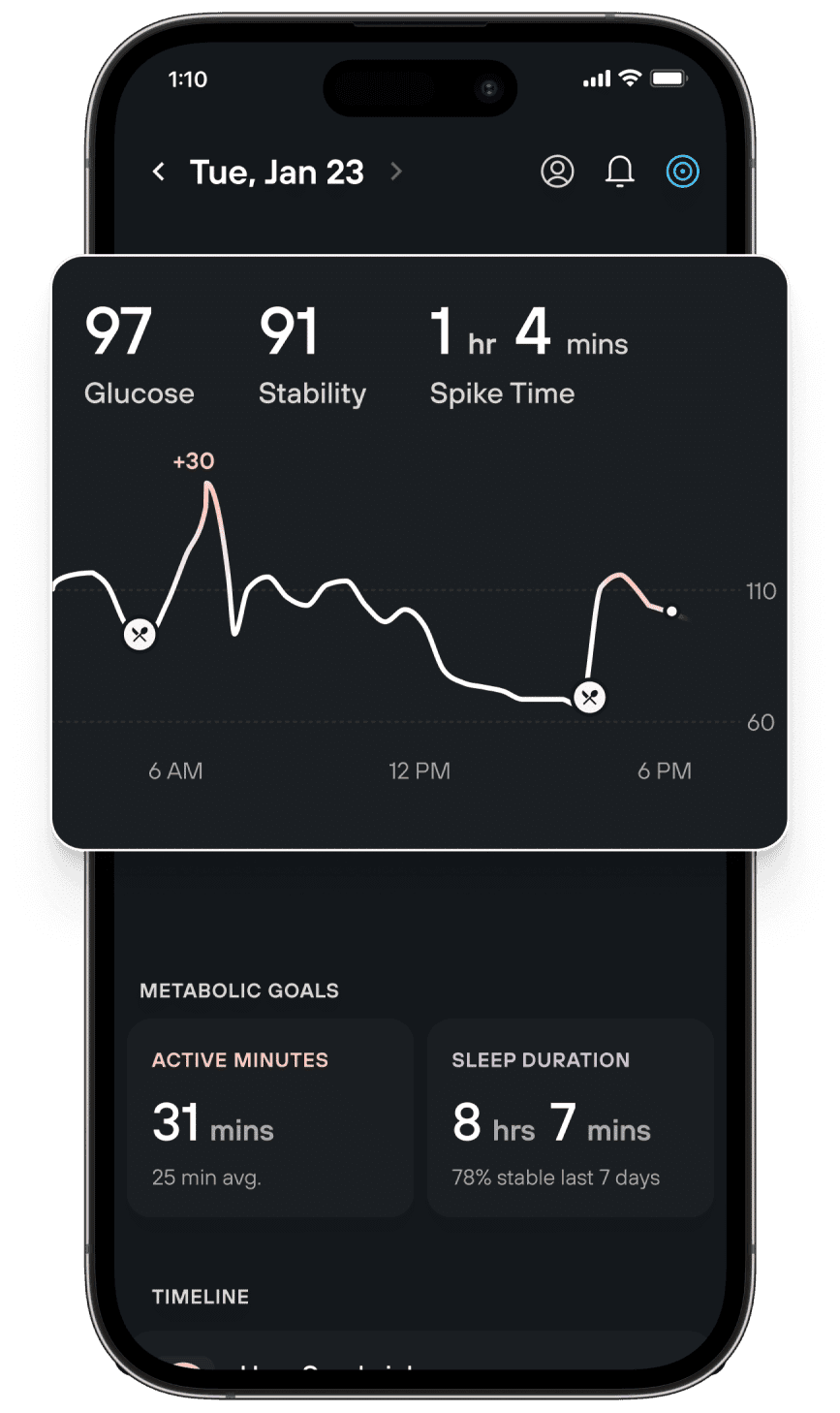
Best for: Metabolic + stress insights
Levels Health integrates glucose monitoring with lifestyle tracking.
Highlights:
- Continuous glucose monitoring
- Stress-glucose correlation
- Metabolic health trends
Ideal for users exploring blood sugar variability alongside stress.
Headspace (AI + Mindfulness)
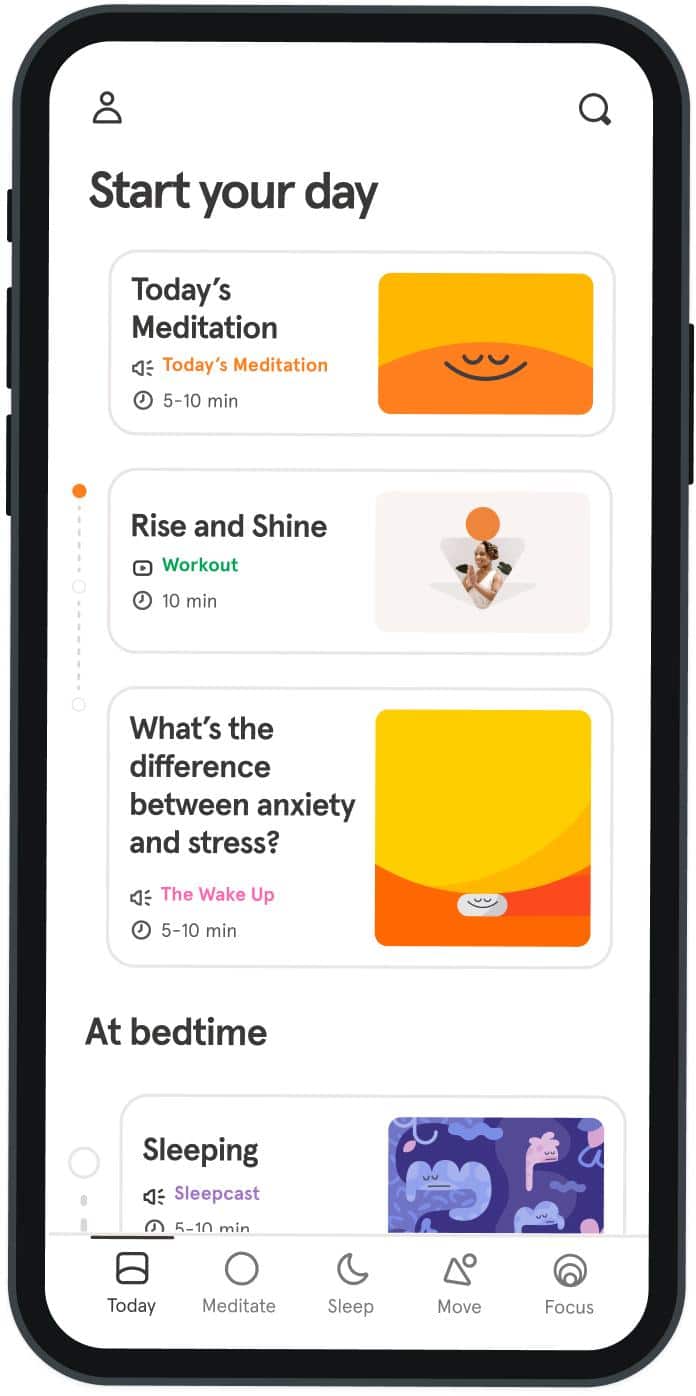
Best for: Mindfulness & anxiety support
Headspace doesn’t focus heavily on HRV but integrates AI-guided stress reduction tools. The app features structured mindfulness courses led by mindfulness experts, teaching users to observe thoughts without judgment.
Headspace and similar stress apps offer guided meditations, relaxation techniques, and mindfulness exercises to help users meditate, reduce stress, and build resilience.
Key features of meditation apps include guided courses, SOS sessions, and mindful movement exercises, all designed to support healthy responses to stressors.
Highlights:
- Guided meditation
- Breathing exercises
- Stress management programs
Complements HRV tracking apps.
What to Look for in an AI Stress & HRV App in 2026
When choosing an app, consider:
- Does it interpret HRV or just display it?
- Does it connect stress with sleep and activity?
- Are burnout or recovery insights predictive?
- Is smartwatch integration seamless?
- Does it track trends over time?
- How accurate are its HRV measurements and analysis? Look for apps that emphasize accuracy through validated sensors, artifact removal, and comparison to gold-standard measures.
Accurate HRV readings require consistent measurement conditions, such as measuring at the same time of day.
The difference between raw data and AI-powered interpretation is significant. The best apps contextualize HRV inside your broader physiological ecosystem.
Final Thoughts
Stress in 2026 is rarely obvious. It accumulates quietly in the autonomic nervous system, often visible in HRV patterns long before fatigue, anxiety, or burnout appear.
AI-powered health apps — especially those compatible with Apple Watch and other smartwatches — are transforming how individuals detect, manage, and recover from stress. Using mental health and stress apps can be a helpful supplement to your mental health journey and overall wellbeing.
Whether your priority is athletic recovery, metabolic optimization, mental health, or executive performance, the right HRV tracking app can provide early insight into how your body is really coping.
If your goal is deep stress analytics and long-term physiological trend interpretation, apps like Welltory lead the category. If performance strain or simplicity matters more, alternatives such as WHOOP or Training Today may fit better.
The key is not just measuring stress — but understanding it. Building healthy habits with these apps can prepare you for future stressors and support your long-term wellbeing.

