


Cravings. They sneak up on you. One minute you’re fine, the next it’s like your body is screaming for something it doesn’t have. It’s exhausting. Frustrating. Sometimes even scary. Knowing the timeline of kratom withdrawals doesn’t make it go away. But it gives you a sense of what to expect. Like… you can plan for it. Brace yourself. And survive the worst part without feeling lost.
What Causes Cravings?
Cravings aren’t just about desire. They’re deeper than that. Your brain has spent time adjusting to certain substances, learning how to depend on them to feel balanced. When that support disappears, the brain doesn’t stay quiet. It reacts. Loudly.
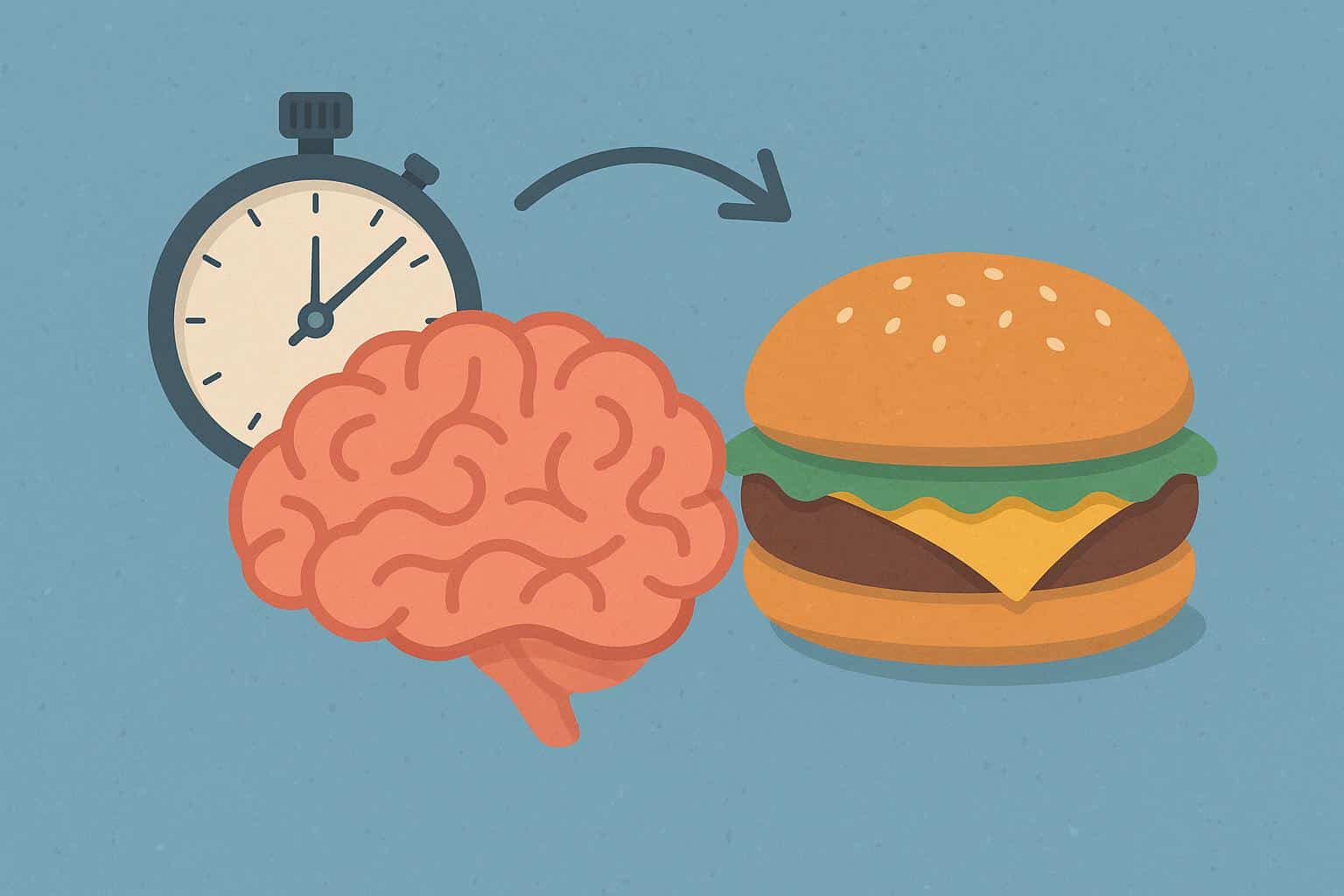
Your reward system is confused. Dopamine levels dip. Signals misfire. Suddenly, normal things don’t feel normal anymore. Food doesn’t hit the same. Music feels flat. Even rest doesn’t feel restful. So the brain looks for the fastest way to feel “okay” again. That urge? That’s a craving.
Then emotions jump in. Stress. Boredom. Loneliness. Even happiness, oddly enough. Certain places. Certain people. A smell. A song. They all act like switches. You don’t even realize it until the feeling hits. And when it does, it feels urgent. Like you need relief now, not later.
The Typical Progression of Cravings
Cravings usually come in waves. At first, short bursts. Not too bad. Just your body reacting. Then, after a few days, they appear more often. Multiple times a day, sometimes when you least expect it. That’s why it feels unpredictable.
The good part? They are easy. Slowly. Some days are worse, some easier. Not perfect, not consistent. But you start seeing the patterns. That’s huge. Knowing what’s coming helps you feel a little in control.
Managing Cravings Day by Day
You can’t make them vanish. But you can ride them. Small steps matter. Take a few deep breaths. Step outside. Write down how you feel. Even just noting when cravings hit gives insight.
Move a bit. Stretch. Walk. Tiny yoga. Nothing intense. Snacks and water help too. Keep energy steady. Makes cravings less brutal. And celebrate the small wins. You got through one without giving in? That’s massive. Every small win builds momentum.
Nutrition and Self-Care to Support Recovery
Your body is doing a lot of work right now. Quiet work. Repair work. And food plays a bigger role than most people realize. What you eat affects how you feel, how you sleep, and how intense cravings become.
Simple meals help. Nothing fancy. Protein keeps you fuller longer. Whole grains give steady energy. Fruits and vegetables support your system without overwhelming it. When energy stays balanced, cravings don’t feel as sharp. They’re still there, but softer. Easier to handle.
Sugary snacks are tempting. They give quick comfort. But the crash that follows can be rough. Low energy. Irritability. Stronger urges. It becomes a cycle. Breaking that cycle, even slowly, helps your body calm down.
Hydration matters more than you think. Dehydration can mimic withdrawal symptoms—fatigue, headaches, mood swings. Sip water throughout the day. Don’t wait until you’re thirsty. Keeping a bottle nearby helps more than you expect.
And rest. Real rest. Sleep won’t always come easily, and that’s okay. Even lying down. Even closing your eyes. Even short naps. They all count. Self-care doesn’t have to be perfect to be effective. Small, consistent choices reduce strain on your body. Over time, you feel it. The days don’t feel as heavy anymore.
The Importance of Understanding Your Timeline
Patterns matter. When do cravings hit? How long do they last? What triggers them? Seeing this gives control. Planning helps. Maybe a walk during the worst time. Maybe journal. Tiny routines—stretching, writing, breathing—keep you grounded.
It’s not about perfection. Just consistency. Step by step, little by little. Over time, it works. You’ll notice it even when it feels like nothing’s changing.
Conclusion
Cravings are messy. Emotional. Physical. Unpredictable. But they don’t last forever. Tracking them, noticing patterns, planning—this is what makes them manageable. Simple routines—movement, journaling, hydration, sleep—help more than you think. And knowing the timeline of kratom withdrawals gives perspective. Rough days pass. Peaks fade. And every small victory counts. One day, you’ll look back and see how far you’ve come. Recovery isn’t a race. It’s a journey. Step by step, day by day. You’ll get there. Trust me.
