


Consumer products are undergoing one of the most dramatic shifts in modern history, driven by rapid advancements in artificial intelligence. Items that were once simple and predictable are now evolving into intelligent companions capable of learning, adapting, and enhancing everyday life. Even something as familiar as CBD gummies shows how AI can transform ordinary products into personalized, ecosystem-driven wellness tools.
Personalization Becomes the Core of Product Design
AI’s most transformative influence appears in how products adapt to individuals. Instead of offering one-size-fits-all solutions, companies now use AI to study personal habits, daily routines, and biological data. This allows items to fine-tune their effects, flavors, intensities, or functions according to each user’s unique needs. A supplement, appliance, or wearable no longer waits for instructions; it observes patterns and adjusts its behavior automatically. This shift marks a profound evolution from products that serve everyone the same way to products that evolve with each individual.
- Personalization Becomes the Core of Product Design
- Smarter Manufacturing Through AI-Driven Precision
- Digital Intelligence Redefines Product Value
- A New Era of Personalized Marketing and Engagement
- Consumer Products Become Connected Ecosystems
- Sustainability Strengthened by Intelligent Systems
- The Growing Role of Wellness and Preventive Health
- Ethical, Privacy, and Trust Challenges
- Changing Skills and Economic Implications
- Conclusion
Smarter Manufacturing Through AI-Driven Precision
Manufacturing is becoming more intelligent as well. AI-powered production lines can detect the slightest quality deviations and correct them in real time. This level of precision leads to more consistent products and less material waste. It also supports the growing trend of mass customization, where individualized items can be produced quickly and affordably. A wellness product, for example, could be formulated with ingredients specifically suited to a user’s stress levels, sleep patterns, or activity habits. This ability to tailor products at scale demonstrates how AI is reshaping the backbone of consumer industries.
Digital Intelligence Redefines Product Value
In the age of AI, the actual value of a consumer product extends far beyond its physical ingredients. What truly matters is the intelligence wrapped around it, the ability to track user behavior, predict needs, and update itself over time. A device or supplement may start simple but steadily improve as it learns from the user. Recommendations become sharper. Timing becomes smarter. The experience becomes more intuitive. Instead of buying a static product, consumers begin living with tools that evolve alongside them.
A New Era of Personalized Marketing and Engagement
AI reshapes the consumer journey long before a purchase is made. Marketing becomes deeply personalized, relying on algorithms that understand motivations, emotional patterns, and lifestyle choices. Instead of broad claims or generic advertising, AI predicts what a user might need and offers guidance at just the right moment. Even a simple wellness chew can come with an app that senses rising stress or fatigue and provides gentle reminders or personalized tips. This interconnected style of engagement makes brands feel more conversational and responsive.
Consumer Products Become Connected Ecosystems
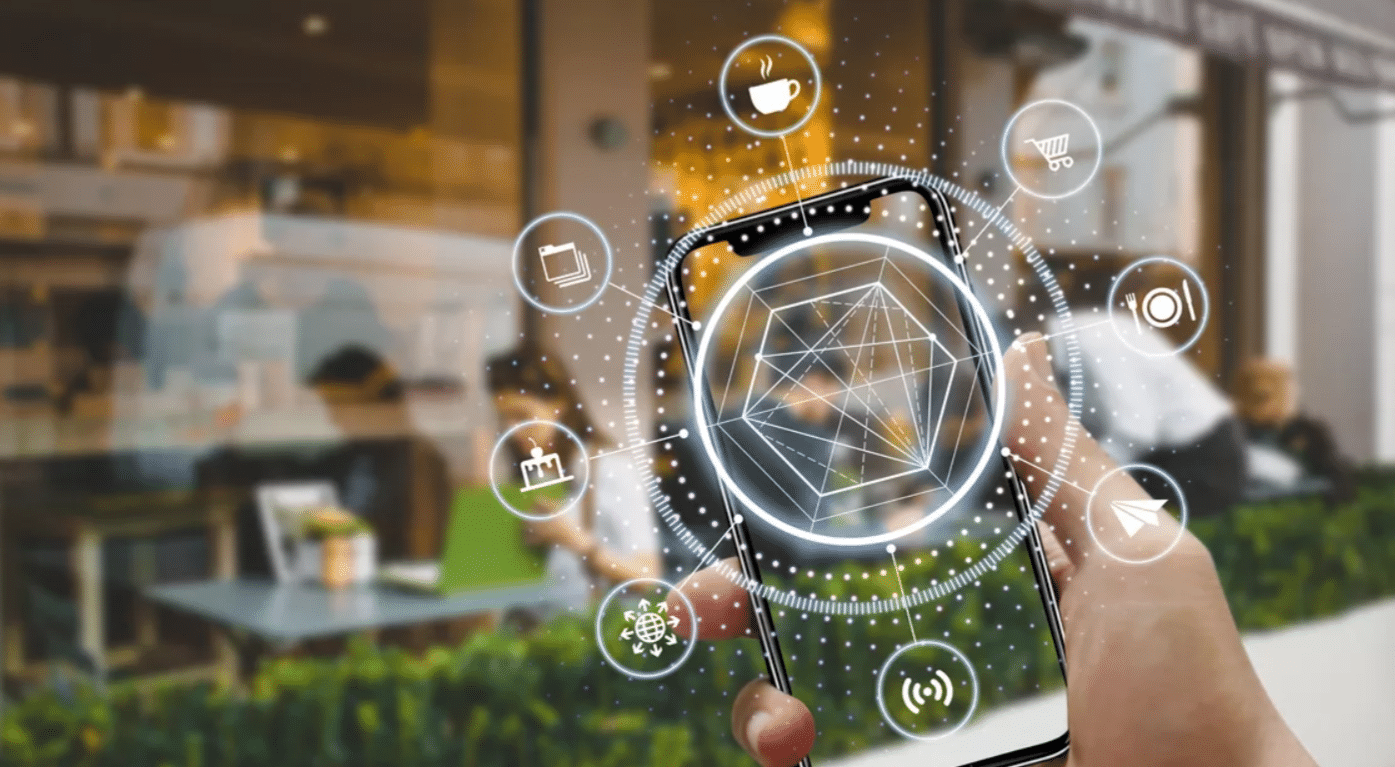
Future consumer goods won’t operate on their own. They will communicate with one another across a shared AI network. Homes will synchronize lighting, temperature, air quality, entertainment, and wellness routines through intelligent coordination. Supplements, like CBD gummies, may integrate with sleep trackers, stress-monitoring devices, or relaxation apps to deliver support at optimal moments. Products become part of a living ecosystem rather than isolated objects.
Sustainability Strengthened by Intelligent Systems
AI also brings greater focus to sustainability. Intelligent supply chains reduce excess production, cut energy use, and optimize delivery routes. AI-driven material selection helps companies design more eco-friendly products without compromising quality. Consumers will be able to scan items and instantly see data on sourcing, environmental impact, and recyclability. Sustainability becomes a transparent and measurable element of every purchase.
The Growing Role of Wellness and Preventive Health
Health and wellness products benefit immensely from AI’s predictive capabilities. Instead of offering general benefits, future wellness tools will deliver recommendations based on real-time feedback from the body or environment. Small fluctuations in mood, sleep, or stress could trigger supportive suggestions or timely reminders. This signals a shift from reactive healthcare to preventive, data-driven wellbeing. The line between consumer products and personal health assistants grows increasingly thin.
Ethical, Privacy, and Trust Challenges
Innovation always arrives with responsibilities. AI-enabled products gather sensitive data, making privacy and security critical concerns. Users want transparency about how their information is collected, processed, and protected. Ethical considerations, such as algorithmic fairness and data safety, become core business priorities. The companies that handle these concerns with clarity and responsibility will thrive in an AI-powered future.
Changing Skills and Economic Implications
As AI transforms production and product design, it also reshapes the workforce. Specific manual tasks may decline, but entirely new fields emerge. Specialists in data analytics, digital wellness architecture, AI ethics, and human-technology interaction will play vital roles in shaping the next generation of consumer goods. Innovation becomes a collaboration between engineers, scientists, designers, and behavioral experts.
Conclusion
The future of consumer products is defined by intelligence, adaptability, and meaningful personalization. The most successful products will not simply serve a function; they will evolve with the user, anticipate needs, and support wellbeing in subtle, thoughtful ways. AI pushes consumer goods beyond static designs into dynamic experiences that grow smarter and more personal over time. Even everyday items now have the potential to become intuitive companions, offering support and insight that feel natural rather than futuristic. In this new era, consumer products become partners in shaping healthier, more innovative, and more responsive daily lives.
