


A professional solar energy company in the UK designs, installs and maintains commercial solar panels to help businesses reduce electricity costs, lower carbon emissions and secure long-term energy stability. Through expert commercial solar panel installation services in the UK, businesses can generate on-site clean power while benefiting grants, tax relief, and export payments.
Electricity costs across the UK remain unpredictable. From manufacturing facilities to agricultural estates and office buildings, companies are searching for protection against rising tariffs. This is where experienced solar energy companies provide structured commercial solar installation solutions that deliver measurable returns.
- What Does a Solar Energy Company Do?
- Why Are Commercial Solar Panels Popular with UK Businesses?
- What Happens During Commercial Solar Panel Installation UK?
- Are There Commercial Solar Panel Grants in the UK?
- How Much Roof Space Is Required?
- Is Planning Permission Needed?
- How Long Do Commercial Solar Panels Last?
- How to Choose the Right Commercial Solar Installer
- Why Businesses Choose Excel Energy UK
- Is Commercial Solar Worth It in 2026 and Beyond?
- Frequently Asked Questions
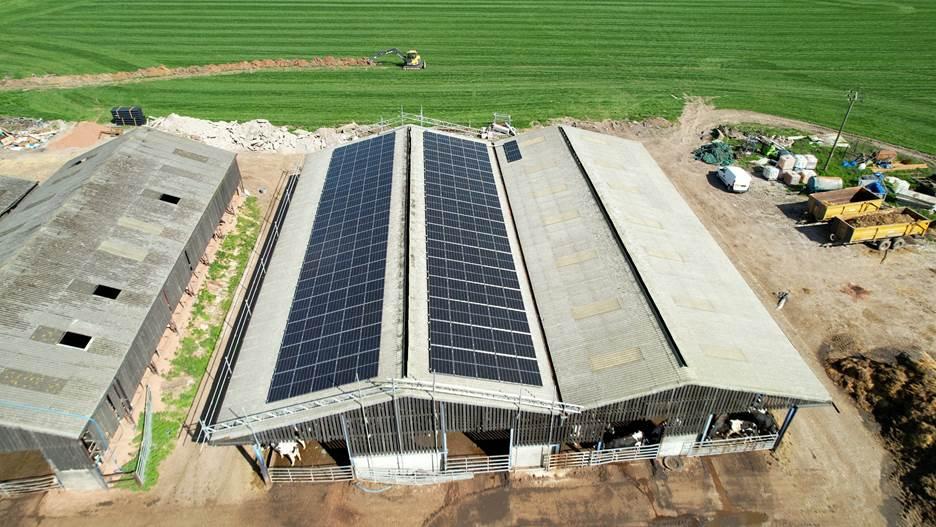
Let’s look at this properly.
What Does a Solar Energy Company Do?
A reputable solar energy company provides a complete service package for commercial solar panels. This usually includes:
- Feasibility assessments
- Energy usage analysis
- Roof or ground structural checks
- DNO approval management
- Professional commercial solar panel installation
- System monitoring and maintenance
In the UK, compliance is essential. Installers must meet MCS standards and ensure grid compatibility. Choosing a qualified commercial solar installer ensures the project qualifies for schemes such as the Smart Export Guarantee.
Why Are Commercial Solar Panels Popular with UK Businesses?
Businesses invest in commercial solar for three key reasons:
- Cost control
- Energy security
- Carbon reduction
UK wholesale electricity prices have fluctuated significantly in recent years. Installing solar panels for business reduces reliance on grid electricity and often covers between 30 and 70 percent of daytime consumption.
Below is a general return-on-investment example for a mid-sized commercial property.
| System Size | Estimated Cost | Annual Savings | Payback Period |
|---|---|---|---|
| 50 kWp | £45,000 – £60,000 | £8,000 – £12,000 | 4 – 6 years |
| 100 kWp | £80,000 – £110,000 | £15,000 – £22,000 | 3 – 5 years |
| 250 kWp | £180,000 – £250,000 | £40,000+ | 3 – 4 years |
Figures reflect UK industry averages based on Energy Saving Trust guidance and commercial installer benchmarks.
After the payback period, electricity generation continues at minimal operating cost for 20 to 25 years or more.
What Happens During Commercial Solar Panel Installation UK?
A professional commercial solar installation UK project follows a clear structure.
Initial Assessment
Energy consumption data is reviewed to properly size the system.
Site Survey
Engineers inspect roof conditions, orientation, and shading.
Structural Review
Load capacity is confirmed to support the panel weight.
DNO Application
Permission is secured for the grid connection.
Installation
Panels, inverters, and mounting systems are fitted safely and efficiently.
Commissioning
The system is tested and registered for export payments.
Most projects take between six and twelve weeks from proposal to activation.
Are There Commercial Solar Panel Grants in the UK?
Yes, financial support remains available in several forms.
Key UK Incentives
- Smart Export Guarantee. Businesses receive payments for surplus electricity exported to the grid.
- Capital allowances. Eligible businesses can deduct solar investment costs from taxable profits.
- Regional commercial solar panel grants. These are occasionally offered through local authorities or enterprise schemes.
Grant availability changes throughout the year. A knowledgeable commercial solar installer can provide current guidance.
Click here to read more about available solar funding and eligibility criteria.
How Much Roof Space Is Required?
As a general guide:
| System Size | Approximate Roof Area Required |
|---|---|
| 30 kWp | 200 – 250 m² |
| 100 kWp | 600 – 750 m² |
| 250 kWp | 1,500+ m² |
Flat industrial roofs are ideal, although pitched agricultural and warehouse buildings can also support installation.
Is Planning Permission Needed?
In many cases, rooftop commercial solar panels fall under permitted development rights in England and Wales. However:
- Listed buildings require approval.
- Conservation areas may have restrictions.
- Ground-mounted systems often require planning consent.
Local regulations should always be checked before proceeding.
How Long Do Commercial Solar Panels Last?
Modern panels typically carry 25-year performance warranties. Inverters usually need to be replaced after 10 to 15 years. With routine maintenance, systems remain productive well beyond two decades.
A well-installed commercial solar system becomes a long-term asset rather than a short-term expense.
How to Choose the Right Commercial Solar Installer
Selecting the right partner is essential. Look for:
- MCS certification
- Strong commercial project experience
- Clear and transparent pricing
- Ongoing monitoring services
- Defined maintenance agreements
A trusted provider such as Excel Energy UK combines engineering expertise with full project management. Whether assessing warehouse rooftops or agricultural installations, proper guidance ensures performance and compliance.
Why Businesses Choose Excel Energy UK
Excel Energy UK delivers tailored commercial solar panel installation services in the UK, designed to deliver dependable savings. The company supports:
- Manufacturing facilities
- Agricultural enterprises
- Commercial estates
- Industrial units
From feasibility studies to ongoing monitoring, Excel UK builds systems that are durable and performant.
If your organisation faces rising electricity costs, now is the time to consider solar panels for business.
Click here to read more about sector-specific solar solutions.
Is Commercial Solar Worth It in 2026 and Beyond?
Yes.
UK net zero targets, volatile energy markets, and investor pressure for sustainability are accelerating adoption. Businesses that install commercial solar panels today secure predictable energy costs for decades.
The financial case is strong. The environmental case is equally compelling.
Frequently Asked Questions
How quickly can commercial solar be installed?
Most installations are completed within two to three months, depending on system size and grid approval.
Are commercial solar panel grants guaranteed?
No. Availability depends on region and funding cycles.
Can surplus electricity be sold?
Yes. The Smart Export Guarantee allows businesses to receive payment for exported power.
Is battery storage required?
Not necessarily. Many companies maximise daytime consumption without storage systems.
