


Mental health and substance use disorders are often discussed as separate issues. Anxiety is typically viewed as a mental health concern, while addiction is commonly seen as a behavioral or substance-related problem. In reality, the connection between these challenges is much more complex.
For many individuals, anxiety and substance use occur at the same time. This overlap is so common that mental health professionals have developed specialized approaches to address both conditions together. Understanding this relationship is essential because successful recovery often depends on treating the whole person rather than focusing on only one aspect of their health.
- Understanding the Connection Between Anxiety and Substance Use
- What Is Dual Diagnosis Anxiety?
- Why Anxiety Often Comes Before Substance Use
- How Substance Use Can Worsen Anxiety
- The Hidden Challenges of Dual Diagnosis
- Why Dual Diagnosis Treatment Matters
- The Role of Emotional Wellness in Recovery
- The Benefits of Outpatient Mental Health Treatment
- Building Healthy Coping Skills
- Support Systems Make a Difference
- Healing Both Mind and Body
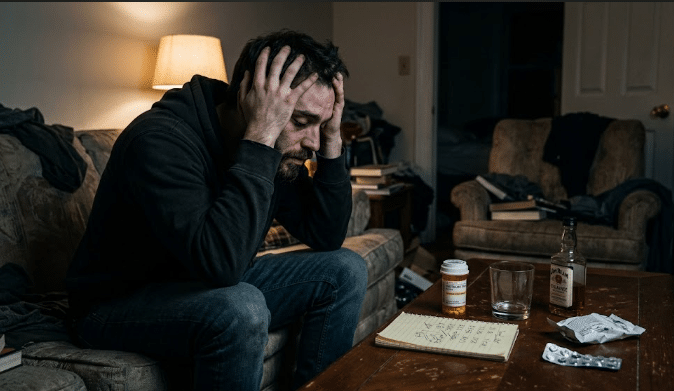
Whether someone is seeking support through an addiction treatment center, participating in outpatient mental health treatment, or beginning addiction recovery, recognizing the link between anxiety and substance use can provide valuable insight into the healing process.
Understanding the Connection Between Anxiety and Substance Use
Anxiety is one of the most common mental health conditions worldwide. While occasional anxiety is a normal part of life, persistent anxiety can affect sleep, concentration, relationships, work performance, and overall quality of life.
When anxiety becomes difficult to manage, some individuals look for ways to reduce emotional discomfort. Alcohol, prescription medications, and other substances may temporarily appear to provide relief.
For a short period, substances can numb anxious thoughts or create a sense of calm. However, this relief is often temporary. As the effects wear off, anxiety frequently returns and may become even more intense.
This cycle can lead individuals to continue using substances in an effort to manage symptoms, increasing the risk of dependence and addiction.
Over time, anxiety and substance use may become deeply interconnected.
What Is Dual Diagnosis Anxiety?
When an individual experiences both an anxiety disorder and a substance use disorder simultaneously, the condition is often referred to as dual diagnosis anxiety.
A dual diagnosis means that two separate but related conditions are occurring at the same time. In these cases, each condition can influence and worsen the other.
For example:
- Anxiety may contribute to substance use as a coping mechanism.
- Substance use may increase anxiety symptoms.
- Withdrawal symptoms may trigger additional anxiety.
- Ongoing anxiety may make recovery more difficult.
Because these conditions interact so closely, addressing only one issue may limit recovery progress.
This is why dual diagnosis treatment has become an important component of modern behavioral healthcare.
Why Anxiety Often Comes Before Substance Use
For many individuals, anxiety develops before substance use becomes problematic.
Someone struggling with social anxiety may begin drinking before social events to feel more comfortable. Another person dealing with chronic worry may rely on substances to relax after stressful days. Over time, these behaviors can become patterns.
The brain starts associating substance use with emotional relief.
Unfortunately, this coping strategy often creates additional challenges. Rather than addressing the root causes of anxiety, substances temporarily mask symptoms while allowing underlying issues to remain unresolved.
As tolerance develops, individuals may need increasing amounts of a substance to achieve the same effect, increasing the risk of addiction.
How Substance Use Can Worsen Anxiety
Many people are surprised to learn that substances commonly used to relieve anxiety can actually make it worse.
Alcohol, for example, may initially create feelings of relaxation. However, as its effects wear off, it can increase nervousness, irritability, and emotional instability.
Similarly, stimulant drugs can significantly increase anxiety symptoms by affecting the body’s stress response system.
Long term substance use may also disrupt sleep, increase mood swings, and reduce emotional resilience, all of which can contribute to anxiety.
This creates a cycle where individuals continue using substances to manage symptoms that are partly being caused by the substances themselves.
The Hidden Challenges of Dual Diagnosis
Individuals experiencing dual diagnosis anxiety often face unique challenges.
Anxiety may make it difficult to seek treatment, participate in therapy, or engage with support systems. At the same time, substance use can interfere with emotional regulation and healthy decision making.
Common challenges include:
- Difficulty identifying the root cause of symptoms
- Increased emotional distress
- Greater risk of relapse
- Reduced confidence in recovery
- Social isolation
- Challenges maintaining daily responsibilities
Without comprehensive support, these challenges can become overwhelming.
Fortunately, effective treatment approaches are available.
Why Dual Diagnosis Treatment Matters
Historically, mental health conditions and substance use disorders were often treated separately. However, professionals now understand that integrated care typically produces better outcomes for individuals experiencing both conditions.
Dual diagnosis treatment addresses mental health concerns and substance use disorders at the same time.
This approach allows individuals to:
- Understand the relationship between anxiety and substance use
- Develop healthier coping strategies
- Improve emotional regulation
- Build resilience
- Reduce relapse risk
- Strengthen long term recovery outcomes
Rather than focusing on symptoms in isolation, dual diagnosis treatment addresses the full picture of an individual’s health and well-being.
The Role of Emotional Wellness in Recovery
Emotional wellness plays a central role in both anxiety management and addiction recovery.
People with strong emotional wellness skills are often better equipped to handle stress, navigate uncertainty, and respond to challenges without relying on unhealthy coping mechanisms.
Emotional wellness includes:
- Self-awareness
- Emotional regulation
- Healthy communication
- Stress management
- Support seeking behaviors
- Resilience
Strengthening these skills helps individuals build a more stable foundation for long term recovery.
Many treatment programs prioritize emotional wellness because it supports both mental health improvement and addiction recovery success.
The Benefits of Outpatient Mental Health Treatment
Not everyone requires inpatient care to address anxiety and substance use challenges.
Outpatient mental health treatment provides structured support while allowing individuals to continue managing daily responsibilities such as work, school, and family obligations.
Through therapy, education, and skill development, outpatient programs help individuals learn how to manage anxiety more effectively while supporting recovery goals.
Outpatient care can be particularly valuable for individuals who need ongoing support after completing more intensive treatment programs.
The flexibility of outpatient mental health treatment allows individuals to apply recovery skills in real-world settings while still receiving professional guidance.
Building Healthy Coping Skills
One of the primary goals of recovery is replacing unhealthy coping mechanisms with healthier alternatives.
For individuals experiencing dual diagnosis anxiety, this often involves learning new ways to manage emotional discomfort.
Healthy coping strategies may include:
- Regular physical activity
- Mindfulness practices
- Journaling
- Therapy
- Support groups
- Healthy sleep habits
- Stress management techniques
- Meaningful social connections
These approaches help individuals address anxiety directly rather than attempting to escape it through substance use.
Over time, healthy coping skills strengthen confidence and emotional resilience.
Support Systems Make a Difference
Recovery is rarely a process that succeeds in isolation.
Family members, friends, therapists, peer support groups, and treatment professionals all contribute to long term healing.
An addiction treatment center often emphasizes community because supportive relationships provide encouragement, accountability, and emotional stability.
Individuals who feel connected and supported are often more likely to remain engaged in treatment and maintain recovery efforts over time.
Support systems help reduce isolation and reinforce the belief that recovery is possible.
Healing Both Mind and Body
The overlap between anxiety and substance use is common, but it is also treatable.
Understanding the relationship between these conditions helps individuals recognize that they are not facing separate problems. They are often facing interconnected challenges that require integrated solutions.
Whether someone is participating in dual diagnosis treatment, pursuing addiction recovery, seeking help through an addiction treatment center, or receiving outpatient mental health treatment, recovery becomes more effective when both mental health and substance use concerns are addressed together.
In the end, healing involves more than reducing symptoms. It involves building emotional wellness, developing healthier coping skills, and creating a life that no longer depends on substances to manage anxiety. With the right support, long term recovery and emotional stability are entirely possible.

