


Tesla has recalled its Powerwall 2 AC Battery System, after some suffered overheating and in a small number of cases went on to smoke or catch fire. The American Consumer Product Safety Commission made the action official, blaming faulty lithium-ion cells given to Samsung by a third-party provider. About 10,500 units in the United States are included, and Tesla said they all would be taken out and replaced at no charge to customers.
Scope of the Tesla Powerwall 2 AC battery recall
The recall covers Powerwall 2 AC units sold for home and commercial use from November 2020 through December 2022, often combined with rooftop solar panels or used to store electricity from the grid. The CPSC said the batteries can fail during normal usage with an overheating risk that also presents: “Consumers may experience excessive heat, sparking, smoke and/or flames coming from the battery during use, bringing a potential hazard of fire.”
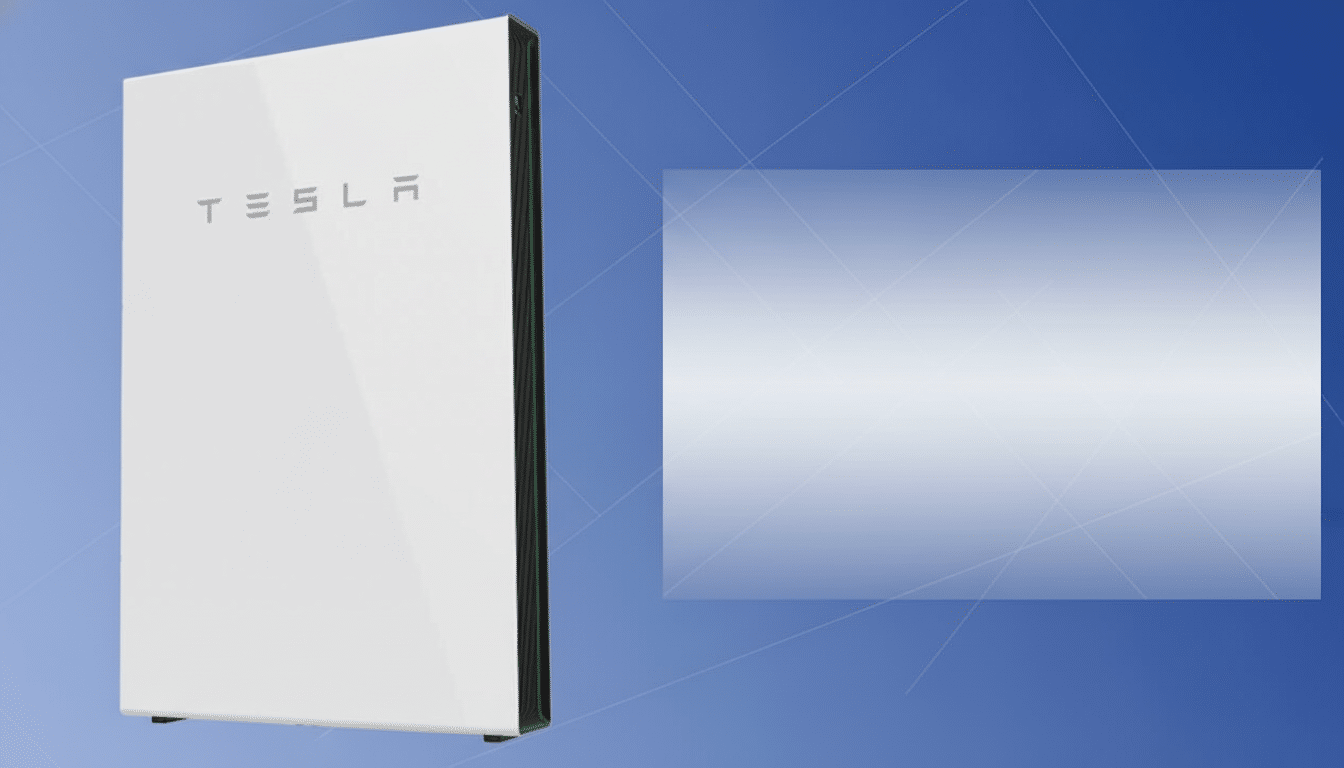
Units were usually bought through Tesla’s website or authorized installers for about $8,000 for the battery hardware, not including installation and permitting. Tesla has identified the issue as stemming from a certain batch of lithium-ion cells produced by another supplier — and not from a flaw in the power electronics or firmware of the system.
Incident reports, risk profile, and documented impacts
Regulators said they have received 22 overheating reports associated with the Powerwall 2 AC recall population. In 6 incidents, evidence of visible smoke was present; 5 of these led to minor property-damaging fires. No serious injuries have been reported so far. While the number of incidents is low compared with the total base, the risk of thermal runaway — a sudden, uncontrolled temperature increase that can occur in damaged lithium-ion cells — was behind the precautionary recall.
Thermal incidents are low probability but high consequence for energy storage. Despite certifications such as UL 9540 and sophisticated battery management systems, a cell-level manufacturing defect can outmaneuver all protections. That is why regulatory agencies and the companies that make these batteries respond urgently to any credible signal of overheating.
Tesla’s mitigation steps to reduce thermal risk now
Tesla says it has remotely discharged the battery capacity of most affected Powerwall 2 AC units, decreasing stored energy and reducing risk of a thermal event before they’re replaced.
Technicians are manually discharging the remaining devices. The company said each of the affected units would be taken out and replaced, free of charge, as is standard operating procedure in safety recalls conducted under CPSC supervision.
Remote intervention is a special functionality that can be offered by networked storage systems. By dragging the state of charge to near zero and severely limiting operation, Tesla can dramatically minimize risk while plans for on-site replacement are made.
What Tesla Powerwall 2 AC owners should do now
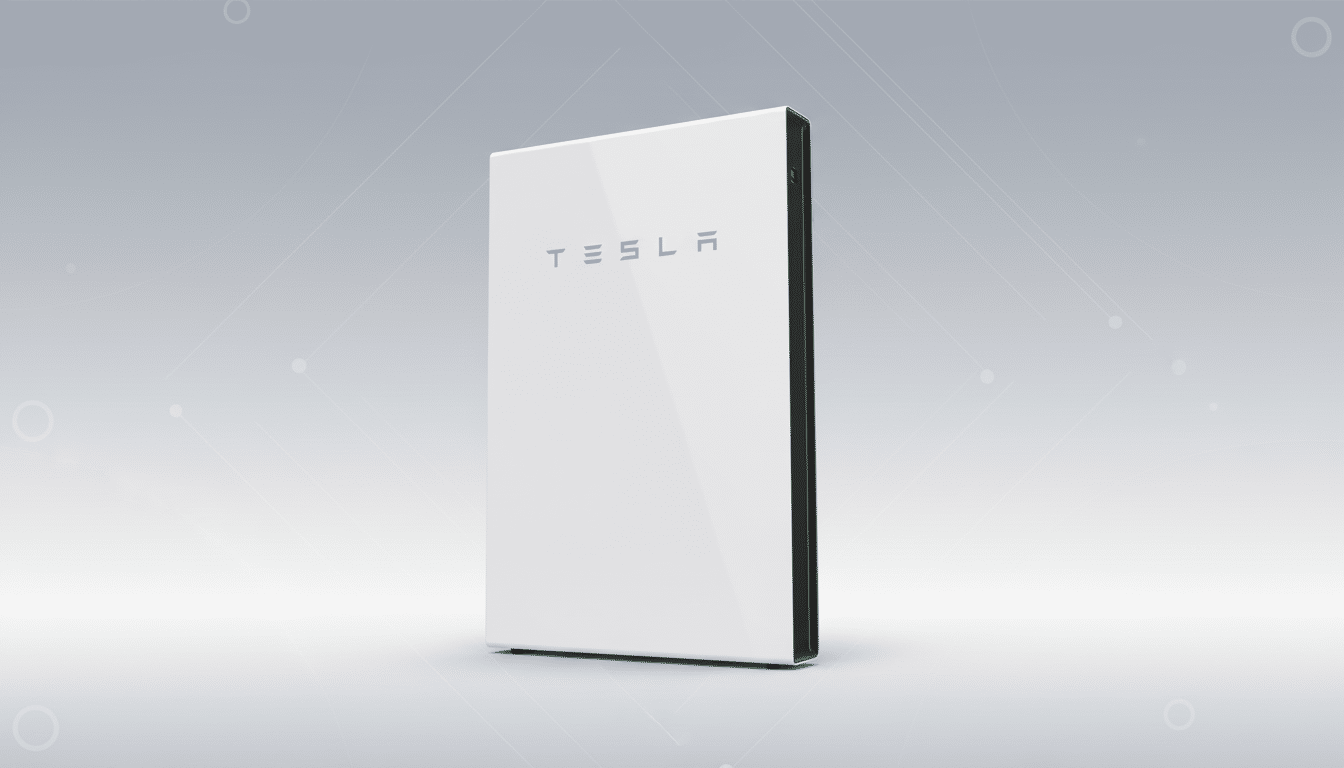
Owners should check the Tesla app for recall notices and follow any instructions from the automaker, the company says. If a system is determined to be affected, ensure it is powered off until service can take place. Like any lithium-ion device, in the event of excessive heat, odor, smoke, or noise at any time, move people away from the location and call emergency services.
Customers will not be charged for inspection, removal, or replacement related to this recall. For documentation and peace of mind, homeowners might want to tell their insurer and retain the CPSC recall information with installation records.
Why this happened, and how safety is evaluated
While thermal management, current, and voltage protection are built into the Powerwall system, they still only protect from faulty operation or damage to the individual cells. If a cell is contaminated, has separator damage, or suffers plating, contact between the anode and cathode may occur along with localized heating, as such internal short circuits can grow unless stopped. That is the kind of event that recalls aim to head off.
Testing standards such as UL 9540A measure thermal propagation behavior at the system level, and continued monitoring by companies and agencies such as the CPSC can help catch field issues that do not surface during pre-market testing. The existence of a third-party cell defect emphasizes the extent to which system safety critically hinges on upstream quality control.
Background information on home energy storage
Home batteries have had fast uptake as more households connect storage with rooftop solar for backup power and bill management. As more systems have been placed in service, the industry has raised standards, introduced thermal barriers, and added more sophisticated software controls. Yet, as this recall makes clear, manufacturers and regulators need to address even rare hiccups rapidly if they are to preserve the public’s trust.
The CPSC’s release — 22 reports of overheating, six smoke events, and five fires with minimal property damage — is helpful transparency. What consumers who own the SolarCity-produced Powerwall 2 AC battery packs have to understand is they will receive a free replacement of any affected battery pack units, and Tesla has already taken action to mitigate near-term risk. Owners should look to official notices from Tesla and the CPSC for next steps and timing.
Bottom line: this is a specific recall related to some battery cells, not an indictment of residential storage writ large. Complete replacement and continued vigilance from manufacturers, installers, and homeowners will be how we make home energy safer and more reliable.
