


In a world addicted to palm oil, a Singaporean startup is betting that microbes can provide the cleaner fix. Terra Oleo is breeding lipid-producing yeasts that ferment leftover agricultural and industrial materials into designer oils — high-margin ingredients consumed for cosmetics, pharmaceuticals and confectionery en route to far larger markets currently dominated by palm.
The promise is simple: make the precise fat molecules that buyers want, without cranking out low-value byproducts or relying on expensive steps like refining to turn them into something valuable — and save enormous expanses of land from becoming a flashpoint for deforestation and mass extinction, as happens with palm oil. The challenge is equally obvious: scaling a lab process into industrial fermentation that can compete on cost and yield.
Why Palm Oil’s Footprint Is So Hard to Beat
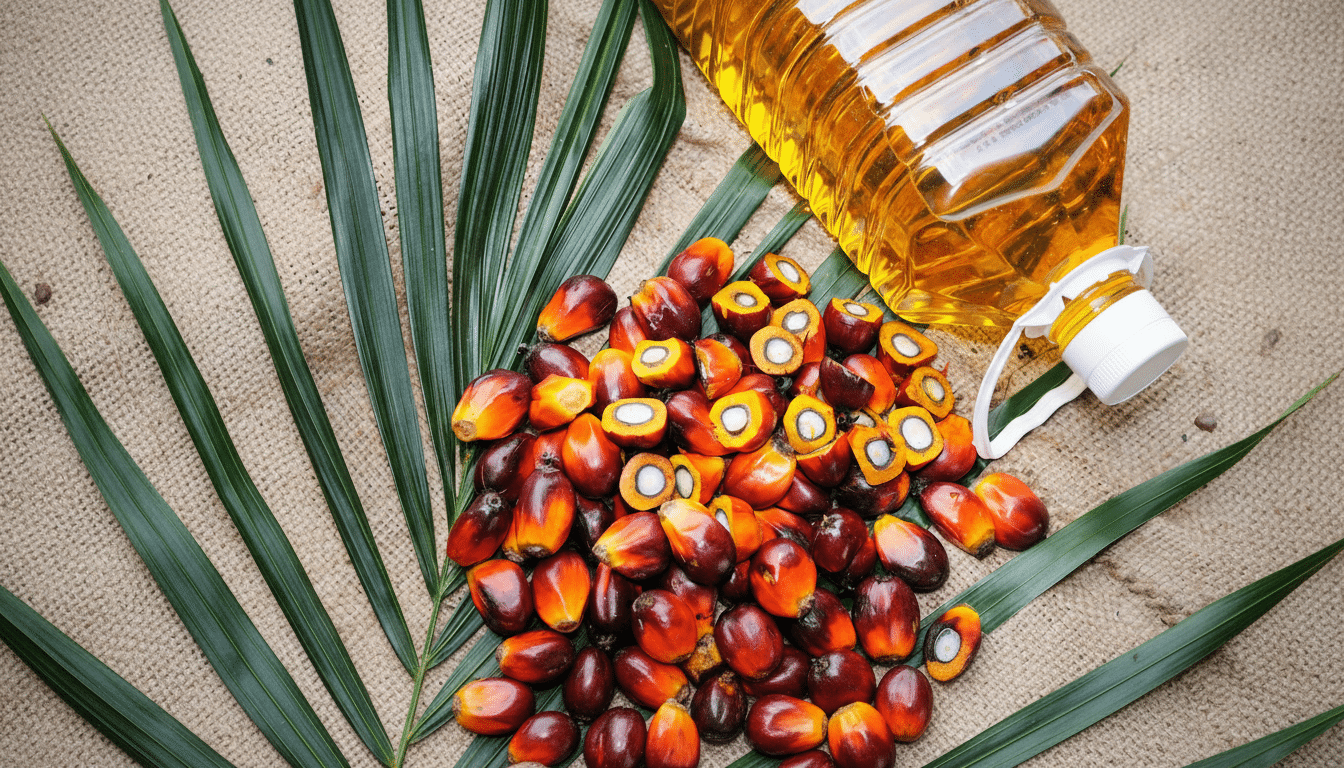
The dominance of palm oil is based on yield and versatility. There are 79 million metric tons of the stuff produced annually, worldwide — a lipid backbone for everything toward which humans reach, from snack foods and ice cream to lotions and detergents, according to the Agriculture Department. World Wildlife Fund figures show that approximately 50 percent of supermarket products contain palm-based ingredients.
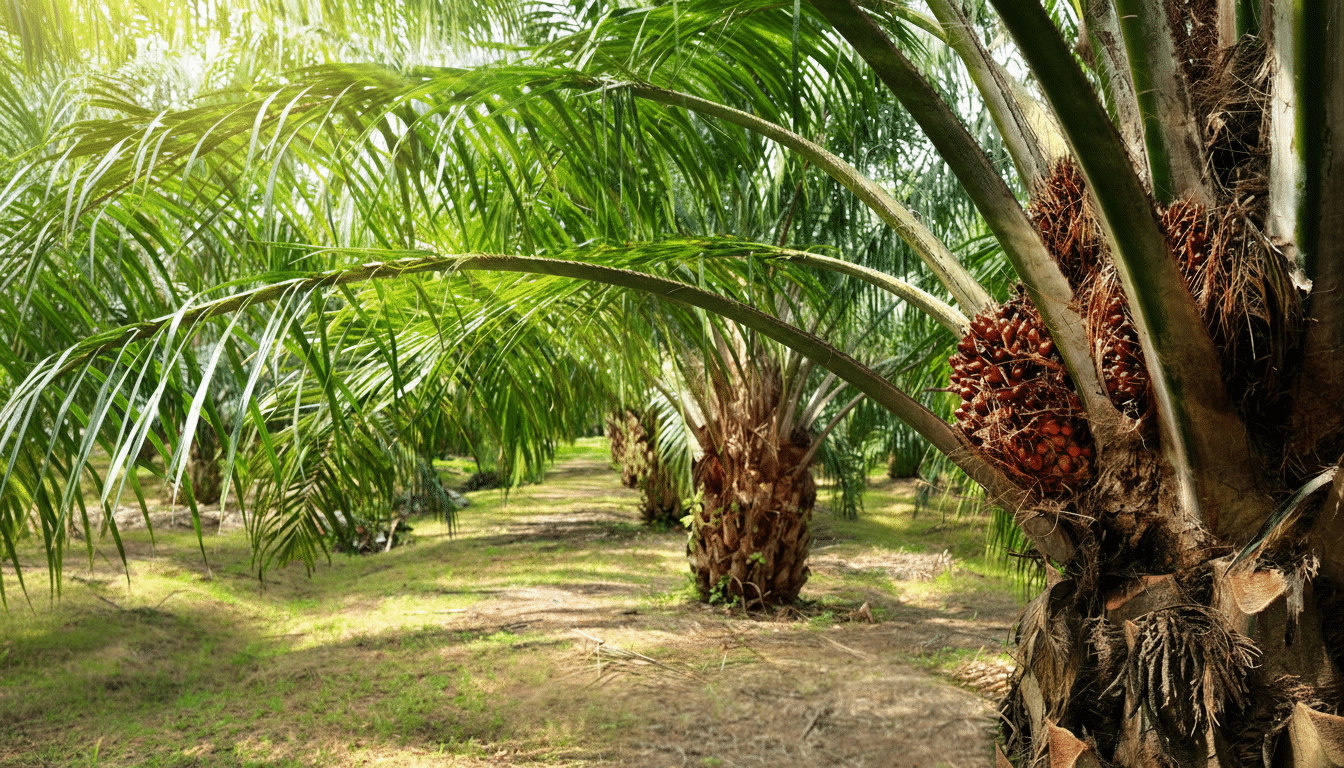
And that scale has also come at a cost. The International Union for Conservation of Nature has connected oil palm development to habitat loss for critically endangered species, and Global Forest Watch and the World Resources Institute have documented how plantation expansion has cleared tropical forests and drained carbon-rich peatlands. Certification has helped — the Roundtable on Sustainable Palm Oil estimates that about a fifth of global trade is certified — but rapid demand growth and complex supply chains still leave producers and consumer brands vulnerable to the risk of deforestation and market swings.
Any serious alternative, he argues, will have to meet three benchmarks:
- Match in function
- Hit product-cost parity in designated segments of the market
- Uncouple oil production from monocultures that use a lot of land
How Terra Oleo’s Fermentation Platform Works
Terra Oleo comes at it from the angle of using oleaginous yeasts, microbes that in their natural state store energy as hydrocarbons but whose metabolism can be fine-tuned to produce certain triglyceride profiles. By literally engineering pathways that govern chain length and saturation, the company’s biologists can nudge their pets toward cocoa-butter-like fats suitable for confectionery — or smooth emollients valued by the skincare or pharma-grade excipient industries.
Feedstock versatility is a challenging feature. Instead of refined sugars, the organisms may be fed cheaper inputs like agricultural residues and byproducts — for example, crude glycerol from biodiesel manufacturing. That reduces costs for the better and makes a more compelling environmental story by valorizing waste streams that have difficulty finding high-value purposes elsewhere.
Today Terra Oleo is producing grams of material at bench scale, and pushing to kilograms as it optimizes strains and process parameters. This tactical focus on specialty oleochemicals is deliberate: these niches fetch higher prices, rewarding precision, which can make fermentation economically viable before venturing into bulk commodity fats.
Economics, Margins and the Scale Question
Palm oil is a low-margin commodity, but many palm derivatives are not. In the process of “getting the right molecule the first time,” microbial platforms avoid fractionation and hydrogenation steps that increase cost and waste. Terra Oleo says early unit economics point to strong margins for some cosmetic and pharmaceutical ingredients, reflecting the premium buyers will pay for performance, purity and secure supply.
Scaling, though, is where fermentation ventures gain ground or go down the drain. The availability of stainless-steel capacity is limited and costly, and lipid fermentations create downstream challenges — from cell separation to solvent-free oil recovery — that need to be addressed at industrial scales. Nonetheless, the wider sector provides some encouraging precedents: precision fermentation has already gained market share within enzymes, vitamins, and specialty food ingredients by aligning product value to bioprocesses’ strengths.
Life-cycle assessments of microbial oils indicate large reductions in land use compared with plantation crops and a lower risk of deforestation when waste feedstocks are used. The precise footprint will depend on the input, energy, and plant design considerations, but early indications suggest that co-locating fermenters with ethanol or biodiesel plants—where sugars and process utilities are present—can be used to drive up both emissions reductions and cost savings.
A Market Trending Toward Traceable, Low-Carbon Oils
Policy pressure is mounting. Emerging regulations such as the EU’s deforestation-free product standards require end-to-end traceability, setting a new standard for palm supply chains and creating opportunities for drop-in alternatives with demonstrable origin. Corporate climate and nature commitments are also pressuring brands to de-risk ingredients associated with land conversion.
Competition is heating up. Companies in the United States and Europe, meanwhile, are chasing palm alternatives by way of yeasts as well as algae and other microbes: some are concentrating on food-grade substitutes, others cosmetics and surfactants. Terra Oleo distinguishes itself in two ways: it’s after higher-value derivatives instead of crude oil, and it designs around low-cost waste inputs that are abundant enough to buffer against feedstock price swings.
If the firm can make kilogram milestones translate into robust multi-ton runs, next steps are clear: offtake deals with personal care and pharma formulators, then confectionery trials for cocoa butter equivalents.
Regulatory paths, including GRAS in the US and respective pharmacopeia standards, will be key to market entry, but these represent standard routes for precision fermentation products.
From Niche to Impact: Diversifying Sustainable Oils
No single technology, at this point, will supplant tens of millions of tons of palm oil in the near term. But a diversified lipid supply — of certified palm, microbial oils, and other sustainable sources — could help take the pressure off tropical forests in any meaningful way while providing good performance to manufacturers.
Terra Oleo’s founders, bringing together knowledge of metabolic engineering and Southeast Asian supply chains, are placing bets they can deliver: begin where biology is favored, win on precision and sustainability, and scale to broader applications with improving economics. For an industry that has basically traded low cost for high ecological impact, that’s a flex worth paying attention to.
