


Linux rewards intent. With a few small practices, you can transform even an average work desktop into a fast, predictable, time-saving machine. By the way, efficiency is not about sexy; it’s about removing friction from the things you do ten, fifty, or one hundred times a day.
It doesn’t hurt that Linux is already running the unfriendly, sophisticated sums at computing’s sharp end. The Top500 list has been run on Linux only for years, and the same reasons it’s dominant in supercomputers—automation, composability, low overhead—apply to the desktop. Whether you’re a Linux novice or an experienced admin, these ten moves will deliver the goods.
- Map custom shortcuts and hotkeys for faster actions
- Adopt tiling for instant window management on Linux
- Treat workspaces like projects for clearer focus
- Automate tasks with cron, anacron, and systemd timers
- Upgrade your shell toolbox with modern CLI helpers
- Use package managers and sandboxed apps for stability
- Make files findable with structure and fast search
- Snapshot and back up before you actually need it
- Start everything from the keyboard with launchers
- Separate duties with containers and virtual machines
- Speed up panels and context menus with smart tweaks
Map custom shortcuts and hotkeys for faster actions
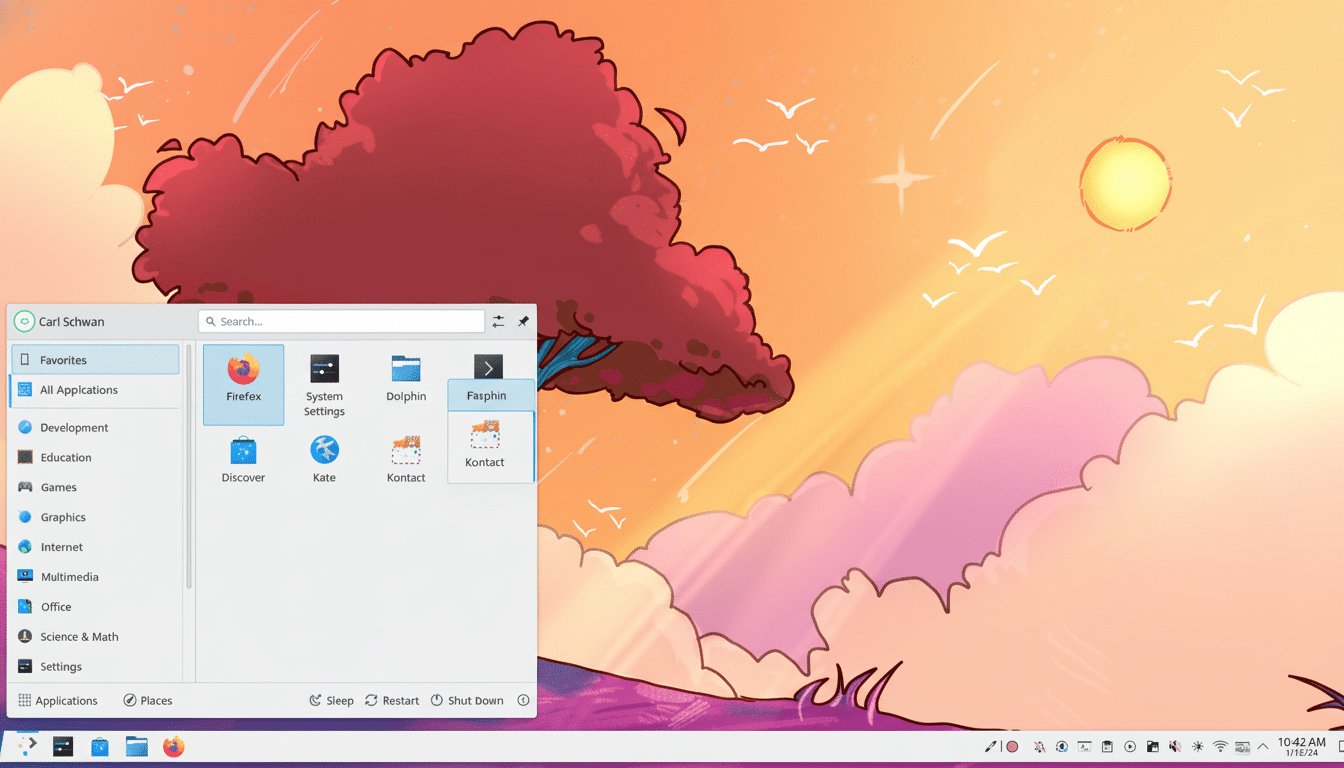
Start with the obvious. GNOME, KDE Plasma, and Xfce allow you to define hotkeys for opening terminals, moving and snapping windows, locking the screen, activating “Do Not Disturb,” or anything else you want to launch a command for. Hotkey-bind one to your editor, one to screenshots, and one to passwords. Research in human–computer interaction repeatedly suggests that context switching is expensive; hotkeys keep you in the flow.
Adopt tiling for instant window management on Linux
You can use a tiling window manager on Linux to get something like tiled windows in macOS. Tiling window managers like i3, Sway, and bspwm automatically place and resize windows so you pretty much never have to take your hands off the keyboard. If you’d rather use a mainstream desktop, check out KWin’s tiling scripts, Pop!_OS tiling, or GNOME extensions like Material Shell. Await a learning curve that’s measured in hours, not weeks, and a payoff that will last years.
Treat workspaces like projects for clearer focus
One workspace for each project or context—coding, writing, research, meetings. GNOME supports dynamic workspaces; KDE and Xfce are letting you name and cycle them with shortcuts. Drag whole window groups to other displays, and only display notifications on the workspace you’re currently working in. A clear head model is better than a cluttered taskbar.
Automate tasks with cron, anacron, and systemd timers
Automate anything that repeats so you never have to think about it again. Cron is great for nightly things, anacron solves the not-always-on machine problem, and systemd timers add some reliability and logging. There are some very easy opportunities for backups, thumbnail cleanup, photo imports, log rotation. One Shitty Bash script and a clock is … productivity on autopilot.
Upgrade your shell toolbox with modern CLI helpers
And then, modern CLI tools can help with that speed: ripgrep for blazing-fast searching, fd for finding files quickly, fzf for fuzzy picking, bat for syntax highlighting previews, zoxide for jumping around the file system instantly, starship for a nice small prompt that gives you just enough information. Pair zsh or fish with a handful of aliases (gc for git commit, gs for git status) and pipelines become second nature. The training materials from the Linux Foundation always have a chapter about how composable shell tooling amplifies effectiveness.
Use package managers and sandboxed apps for stability
Trust your distro’s package manager — apt, dnf, pacman — first for core software. On the desktop, sandboxed formats such as Flatpak and Snap provide isolation and easy rollbacks. With unattended-upgrades or dnf-automatic, you schedule updates, you skim release notes, and hope someone else on the internet has tested this already — no random curl | sh install scripts. A clean package approach avoids the dreaded “works yesterday, breaks today” phenomenon.
Make files findable with structure and fast search
Have a nondescript folder structure like ~/Documents/Work/2025/ClientA and use human-readable, searchable names. There are ripgrep and fd on the command line that beat searching through directories, or Tracker for GNOME and Baloo for KDE that index content for instant responses. Unfettered time lost clicking around for files is a silent killer of productivity; structure and search claw it back.
Snapshot and back up before you actually need it
System snapshots with Timeshift (especially on Btrfs) are your safety net for updates. As for data, I run BorgBackup or restic, which provide quick, deduped and encrypted backups — local / network / cloud. Adhere to the 3-2-1 rule and test your restores. The hard drive stats from Backblaze are a constant reminder that failure is not an if, but a when; on Linux, recovery can be in minutes instead of days. For sync, you use a lightweight Nextcloud client and keep your important directories up to date on all machines.
Start everything from the keyboard with launchers
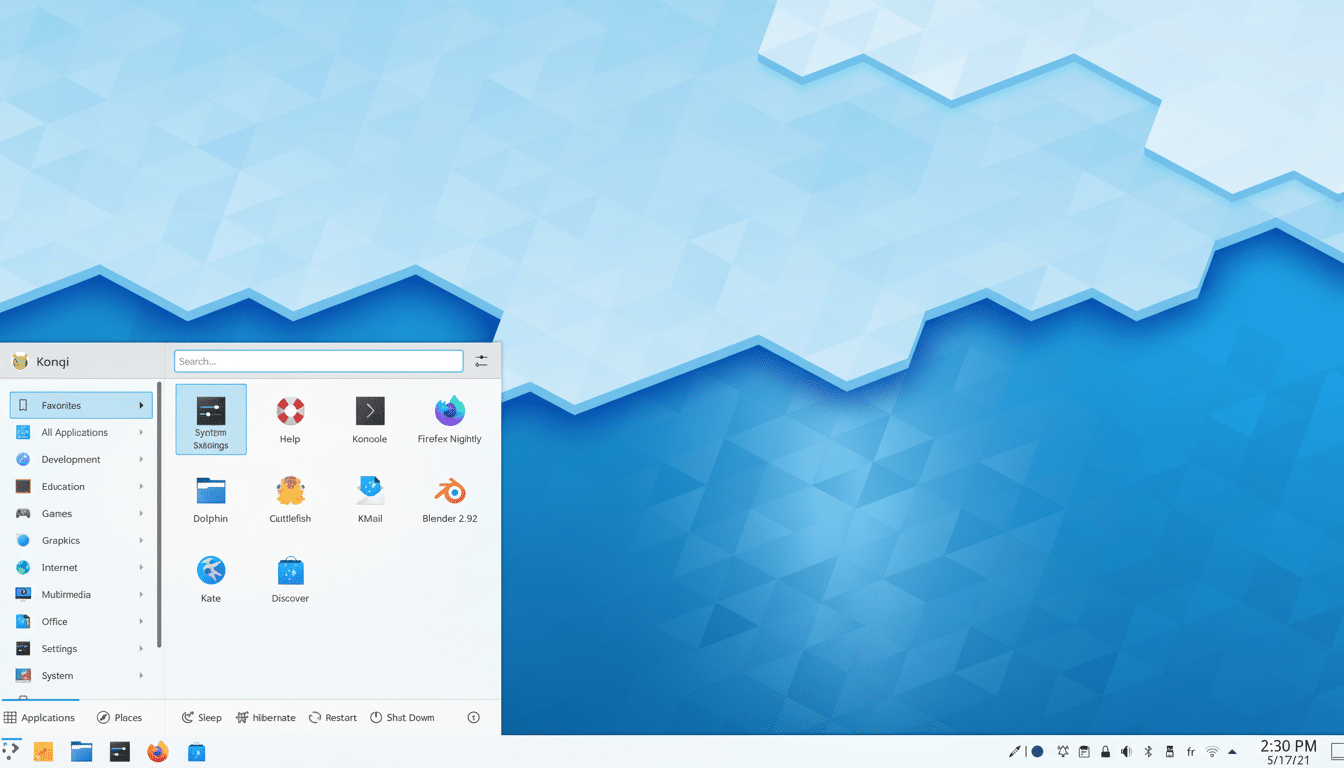
Keyboard launchers reduce the distance from wanting to doing. Albert on many desktops, KRunner on Plasma, and GNOME’s Super key overview search apps, files, settings, and quick math. For more lightweight options you can go for Rofi or Ulauncher. Less mousing adds up to less micro-delays and more time where it counts — inside your work.
Separate duties with containers and virtual machines
Run experimental tools in containers with Podman or Docker, or use distrobox/toolbox to obtain a clean dev environment that doesn’t clog your base system. For even more isolation, KVM, GNOME Boxes, or Multipass set up VMs in a few minutes. You’d already expect most everyone to be using something along these lines, considering the Cloud Native Computing Foundation has seen widespread container adoption in recent surveys; that same isolation model means there’s “less dependency hell” on the desktop too.
Speed up panels and context menus with smart tweaks
A little bit of tailoring goes a long way every single day. In KDE or Xfce, assign one panel to system stats and another to launchers, and include right-click file manager actions for “Compress & Share” or “Open in Terminal.” GNOME’s extensions can easily provide the basics without bloat. Keep the tweaks centered around removing steps, not adding eye candy.
Linux provides the tooling; the power comes from habits. Begin with one or two tweaks — hotkeys, a launcher, a backup routine — and then multiply gains with automation and improved workflows. The quickest desktop is the one that gets out of your way.
