


Your next Bravia could be engineered by Sony and built at scale by TCL, a pairing that blends Sony’s picture processing pedigree with TCL’s manufacturing muscle. The result, if all goes as planned, is premium-grade performance delivered at friendlier prices and in more sizes than before.
What The Sony TCL Majority Venture Means
Sony has announced a strategic partnership that gives TCL a 51% stake in its home entertainment business, the unit behind Bravia TVs and home audio. The joint structure positions TCL to run operations and production while Sony focuses on design, picture processing, and overall product vision.
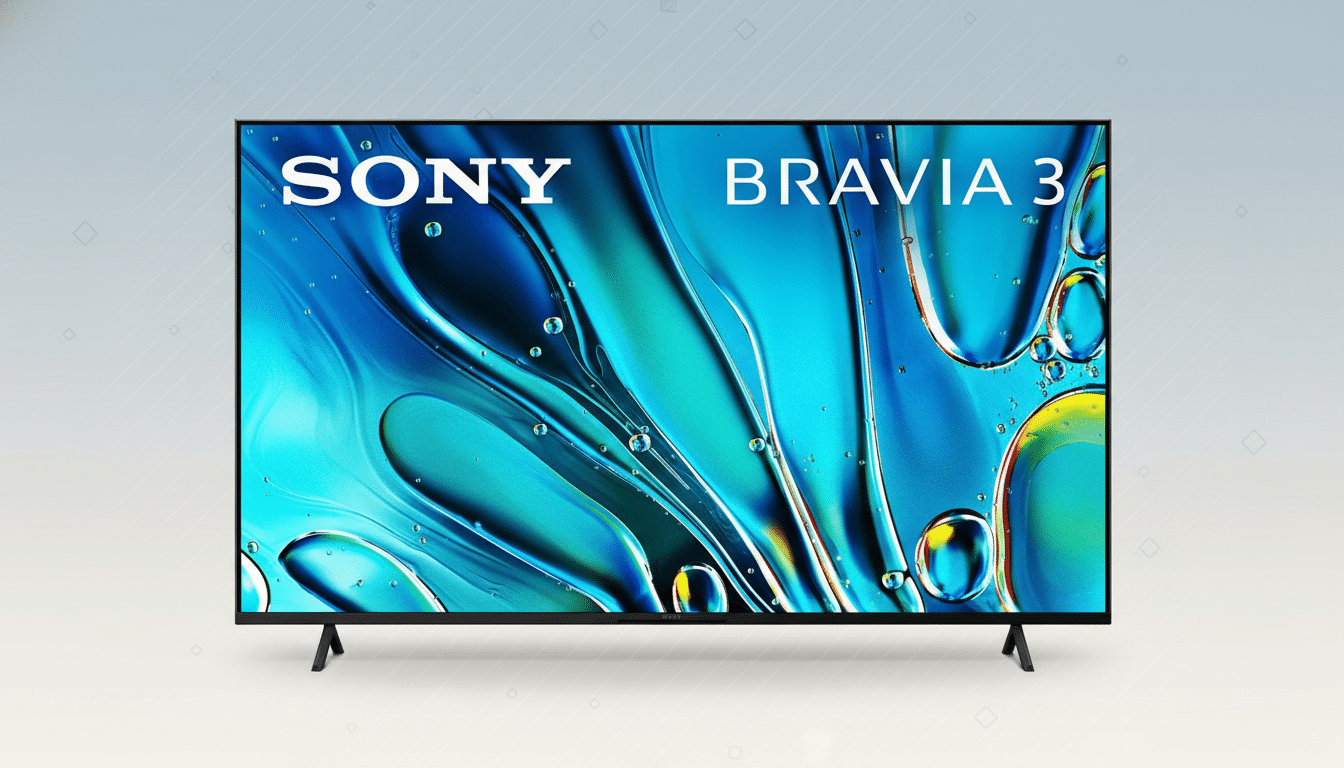
Practically, this points to roadmaps where Sony defines industrial design, image tuning, and user experience, and TCL executes volume panel sourcing and final assembly through its vertically integrated arm, CSOT. Expect continued access to the best panels available, including OLED and QD-OLED sourced via Sony’s long-standing supplier relationships, paired with TCL’s leading Mini-LED backlight tech and high-zone dimming expertise.
Analysts say the model mirrors successful co-development patterns seen across consumer electronics: a brand with strong R&D and premium cachet pairs with a high-efficiency manufacturer to scale innovation faster. In TVs, that can be especially potent, because panel yields, backlight sophistication, and logistics drive a large share of costs.
Why This Could Lower Prices Without Cutting Quality
TCL is one of the world’s highest-volume TV makers by unit shipments, according to Omdia. That scale, along with CSOT’s panel capacity, typically unlocks better component pricing and steadier supply, which can translate into lower per-unit costs. Display Supply Chain Consultants and other industry trackers often cite double-digit cost efficiencies when manufacturing is consolidated under a vertically integrated player.
Sony, for its part, brings the magic sauce: elite image processing and motion handling that set its flagships apart in lab tests by outlets like RTINGS and AVForums. Its tone mapping, upscaling, and color accuracy have been consistent reference points. Combine those strengths with TCL’s Mini-LED leadership—thousands of local dimming zones and multi-thousand-nit peak brightness in recent flagships—and you get a credible path to better contrast, higher brightness, and cleaner motion at price tiers that used to demand painful trade-offs.
There is also a content and gaming angle. Sony’s integration with PlayStation features such as Auto HDR Tone Mapping and Auto Genre Picture Mode could be standard across more models, while TCL’s aggressive hardware spec sheets help ensure full-bandwidth HDMI 2.1 ports, low input lag, and VRR support are table stakes. Together, that’s a recipe for enthusiast-grade performance hitting mainstream budgets.
What Changes You Might Actually See as This Rolls Out
Expect co-badged materials that emphasize Sony-led design and TCL-built manufacturing. The Google TV interface should remain front and center, with Sony’s picture modes and calibration tools intact, and TCL’s rapid iterate-and-ship cadence potentially increasing the number of sizes and configurations available in each series.

On the panel front, Mini-LED is poised to be the workhorse for bright rooms, with more dimming zones and refined algorithms to suppress blooming. At the high end, OLED and QD-OLED models could see Sony’s processing combined with TCL’s cost base, narrowing the price gap with competitors. TCL’s prior acquisition of LED technology patents from Samsung adds further backlight and efficiency know-how to the mix.
Audio shouldn’t be overlooked. Sony’s acoustic surface concepts and spatial processing, paired with TCL’s chassis flexibility, could deliver thinner sets with stronger built-in sound or smarter pathways for soundbar integration, including eARC stability and center-channel forwarding.
The Legal And Competitive Checklist for Regulators
The venture is still subject to regulatory review across multiple regions. Watchdogs such as the U.S. Federal Trade Commission and Department of Justice, the European Commission, Japan Fair Trade Commission, and China’s State Administration for Market Regulation will likely scrutinize the deal’s impact on competition and supply chains.
Competitive dynamics are shifting, too. Samsung and LG remain formidable at the premium end, while TCL and Hisense have surged in unit share. Meanwhile, some legacy names have scaled back their TV ambitions to refocus on other categories. Consolidation and partnerships like this are a response to tight margins, rising panel costs, and the arms race around HDR, gaming, and smart TV platforms.
What To Watch Next as the Partnership Takes Shape
Key milestones will include final regulatory approval, a public product roadmap, and the first wave of co-developed Bravia models built by TCL. Pay attention to the feature stack and how it maps to price bands: if you see Sony’s best processing, full-fat HDMI 2.1, and robust Mini-LED dimming delivered at lower prices, the strategy is working.
Also look for ecosystem cues such as Sony Pictures Core integration, potential PlayStation Plus perks, longer warranties, or calibrated-by-default picture modes. Those touches would signal that Sony’s premium identity remains intact while TCL’s efficiency makes it more accessible. If that balance holds, you may not just tolerate a Sony-and-TCL TV—you might actively prefer it.
