


TCL’s latest Nxtpaper phone is now live and on the CES 2026 show floor, the Nxtpaper 70 Pro immediately impresses through two factors, rarely existing together in a budget-centric device — a deeply convincing paper-like screen and an upgrade in horsepower you can actually feel.
After a little bit of hands-on time, the theme is easy to discern — TCL’s wagering that comfort and capability can cohabitate on the same slab.
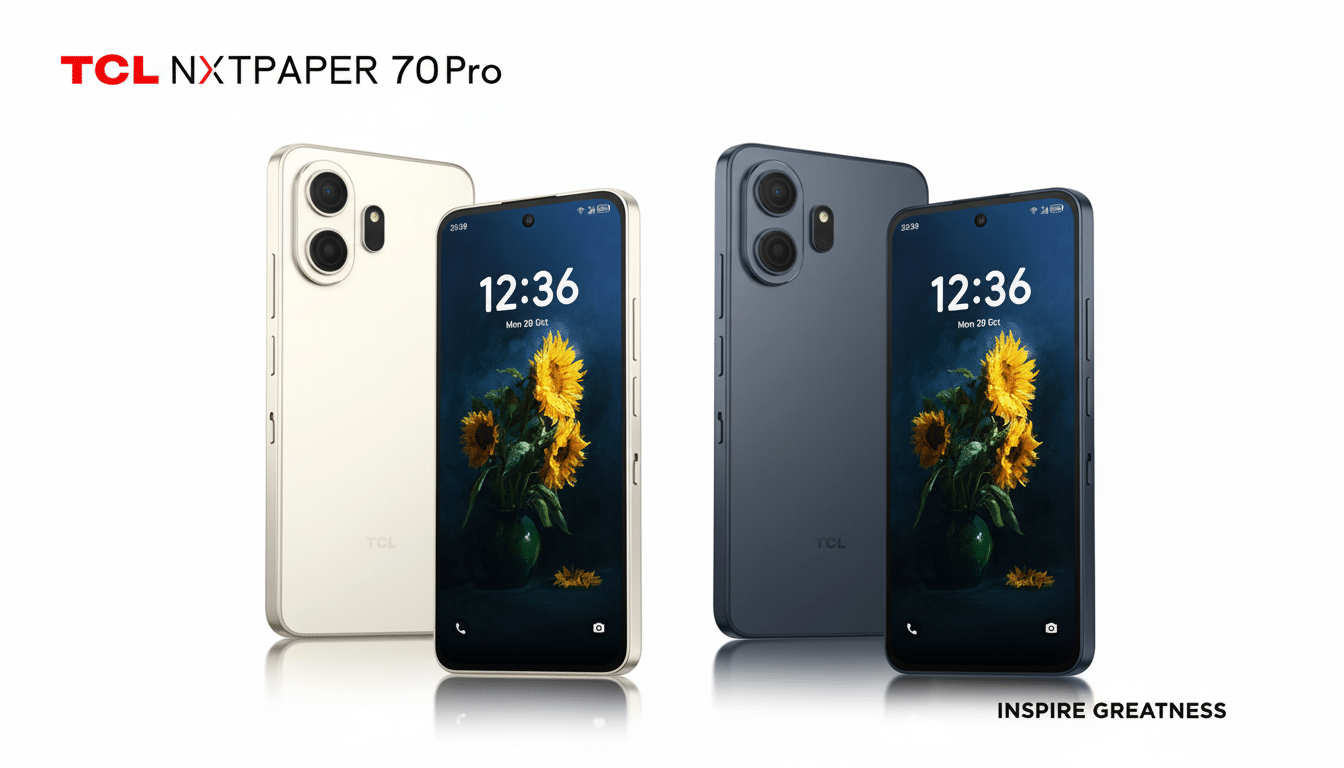
Paper-like display takes the forefront of the experience
Serving as the experience’s anchor is a 6.9-inch panel melding together a 2,340-by-1,080 resolution and 120Hz refresh rate along with a maximum brightness of up to 900 nits and a 1,000:1 contrast ratio, with a claimed screen-to-body figure of 91 percent.
Numbers don’t even tell half the story: the matte Nxtpaper layer significantly reduces glare, so the screen reads clearly under overhead lights where glossy OLEDs usually reflect your surroundings.
A side switch will allow you to toggle between full color, a 50% saturation reading mode, and a monochrome mode that looks like e-paper. The latter two entries really lower eye fatigue on longer stints. That harmonizes with what eye health organizations say to prioritize: controlling brightness and reducing glare to limit strain. Earlier Nxtpaper devices held TÜV Rheinland low blue light certification, and TCL claims the 70 Pro continues that eye-first ethos. It also works with the T-Pen stylus for making written notes on articles or PDFs — useful for students and commuters.
Midrange silicon with headroom for smoother use
Under the hood, you’ll find a new MediaTek Dimensity 7300 SoC over the older generation 6100, which is exactly the sort of upgrade this phone needed to keep in step with its competition. The phone now feels snappier when moving around on heavy webpages and flipping reading modes, aided by 8GB of RAM (and either 256GB or 512GB of storage). There’s microSD expansion — an oddity at this price — and optional 16GB of virtual RAM if you want to keep dozens of apps cached.
The 5,200mAh battery here supports 33W wired charging, with a full refill in as little as 75 minutes, according to TCL’s numbers. That capacity should easily last most people who split their time reading, messaging, and watching casual video on a 120Hz FHD+ panel. There are some flagships in the market that now creep past 2,600 nits, though, and the 70 Pro’s matte finish manages to bridge the usability gap in bright environments without pulling out brute-force brightness.
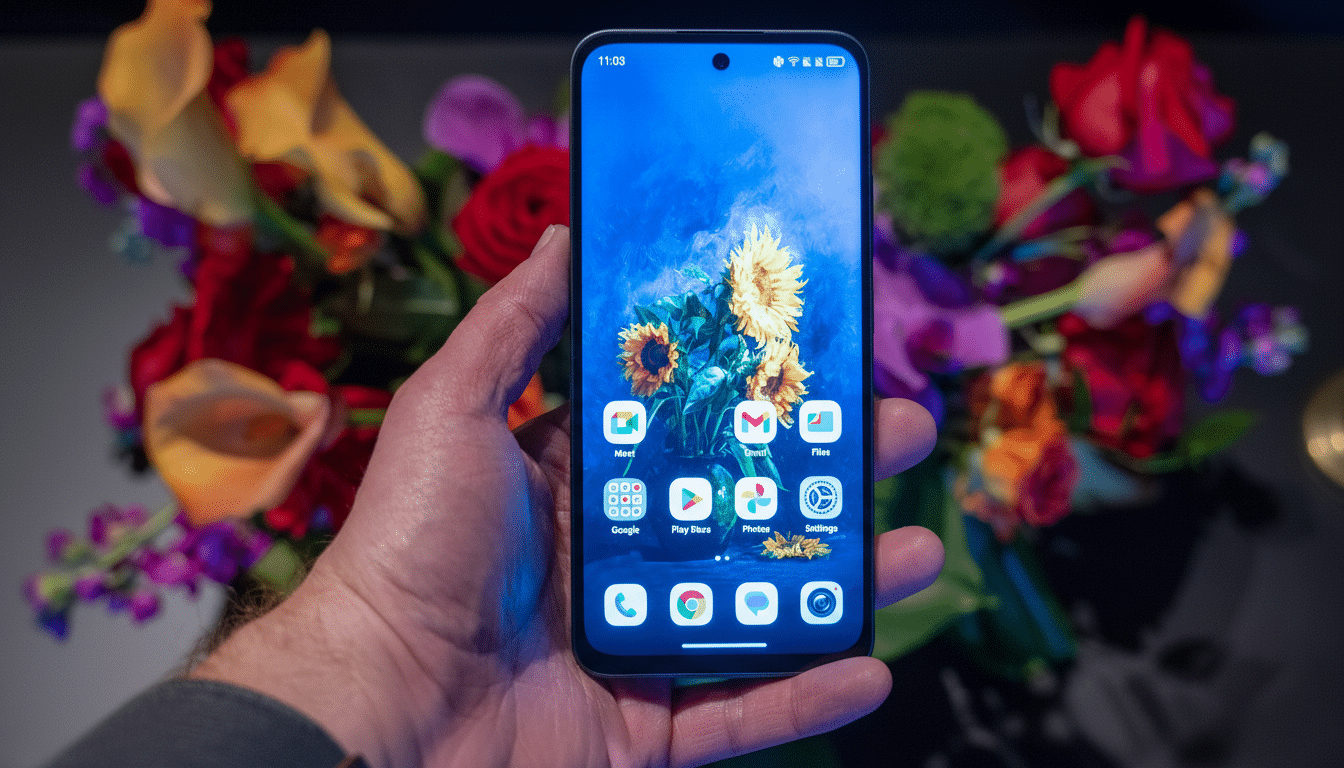
Connectivity and camera expectations for this phone
Radio support is more simplistic: sub-6GHz 5G with C-band, but no mmWave. It should work well with most major North American carriers, and TCL throws in one physical SIM and eSIM for good measure. The rest of the spec sheet goes through the checkboxes — Bluetooth 5.4, dual-band GPS, and NFC to pay by tap are all here alongside regular Wi-Fi.
On paper, the camera hardware is solid: a 50MP main sensor with OIS at f/2.0 and a 32MP selfie camera at f/2.0. Video is maxed at 4K30 on the rear and 1080p30 up front. Since TCL’s image processing has tended to trail class leaders, it doesn’t seem to be a hardware issue — more a matter of tuning. In our brief demo, OIS impressed, keeping frames steady and an on-screen preview looking crisp in good light. Low-light capabilities and how it presents skin tones will require much more thorough testing to weigh up, though.
Software and AI features on Android 16 detailed
The phone will feature Android 16 with TCL’s UX tweaks installed. Artificial intelligence is included in several native utilities for voice recording with on-screen transcription, note organization, and to use Google’s Gemini. The elephant in the room here is software longevity: TCL hasn’t flat-out promised updates yet. That’s particularly crucial as rivals are upping the game — Google and Samsung now offer multi-year OS and security updates across their most recent flagships, for example — so clarity here could well make a difference.
Build quality, pricing and availability overview
Size notwithstanding, the 70 Pro feels good in hand. It’s got a textured rear panel that adds necessary grip, buttons with clean travel, and a really hard casing that spares you from the hollow flex common to bargain big-screen phones. It’s IP68 rated for dust and water resistance; its USB-C port is USB 2.0 — fine for charging and peripherals but not high-speed data shuttling.
TCL is aiming for aggressive pricing: $396 or so could get you the 8GB/256GB edition, with an 8GB/512GB model around $445. A worldwide release, including North America, is scheduled starting in February; so far, no dedicated US launch has yet been announced. At this price, the Nxtpaper 70 Pro undercuts higher-end handsets while establishing a separate value proposition — a phone that pulls double duty as a comfortable reader without sacrificing color, refresh rate, or performance.
Bottom line after first impressions: With its combination of matte display tech, a credible midrange chip, and practical extras like microSD expansion and IP68 certification, the Nxtpaper 70 Pro is perhaps the most convincing Nxtpaper yet. If TCL improves its camera processing and offers a competitive update policy, this could easily be the show’s sleeper phone for readers who spend hours a day reading on their phones.
