


Smaller, cheaper game card sizes could be on the way to Nintendo’s next console following a deleted post by publisher ININ Games, sparking interest in a new series of Switch 2 cartridge sizes.
Although Nintendo hasn’t said anything officially, the buzz has developers and retailers considering how cheaper physical media could change budgets, packaging, and pricing when it comes to the next wave of Switch games.
A Persistent Rumor About Smaller Switch 2 Cartridges
The most recent spark was struck by ININ Games, which briefly (and erroneously) claimed on social media that Nintendo had “announced two new smaller cartridge sizes” for Switch 2 before walking back the statement and saying no such official confirmation existed (via MSPU). Outlets including Ars Technica spotted the post, and its immediate removal only fueled a rumor that had been making the rounds among industry watchers.
Nintendo has yet to speak about cartridge specifics for the upcoming hardware — and it’s never been forthcoming about what kind of storage will power its future machines. That being said, there have been reports from a few manufacturing and publishing accounts which suggest they are preparing additional capacities — primarily at the lower end — for the new hardware.
Why Smaller Cards Matter So Much To Publishers
Those capacities have kept climbing, clocking tiers that stretched across 1GB, 2GB, 4GB, 8GB, and so on. Previous Switch cartridges have climbed to a maximum of only 32GB. That more expansive capacity is necessary for something on the grand scale of The Legend of Zelda: Tears of the Kingdom, but it’s overkill for many indie, retro, and arcade compilations that may clock in at less than 2GB.
Cartridge pricing is a sore spot for studios with smaller budgets. Exact pricing is subject to NDA, though publisher estimates collated by Ars Technica indicate that lower-capacity cards are expected to be $5–$10 cheaper per unit than equivalent higher-capacity SDXC options. That’s a $350,000 difference in cost at 50,000 physical copies — enough to cover localization, more QA, or even some kind of small DLC plan.
There’s also the consumer experience. Cost-cutting options like those are the publishers’ alternatives to expensive high-capacity cards, and involve so-called “Game-Key” cards — boxed copies that have a large download component required for installation. Even more precise cartridge sizes could enable studios to ship genuinely complete physical editions without excessively breaking budgets or storage, decreasing day-one downloads and reducing pressure on internal memory.
The Supply Chain Backstory Behind Switch 2 Cards
The story begins with the economics of flash memories themselves. DRAM and NAND prices “skyrocketed” and were expected to be “volatile” as a result of AI servers taking up more manufacturing capacity, industry analysts at TrendForce cautioned. That impacts SSDs, embedded storage — and yes, custom game cards.
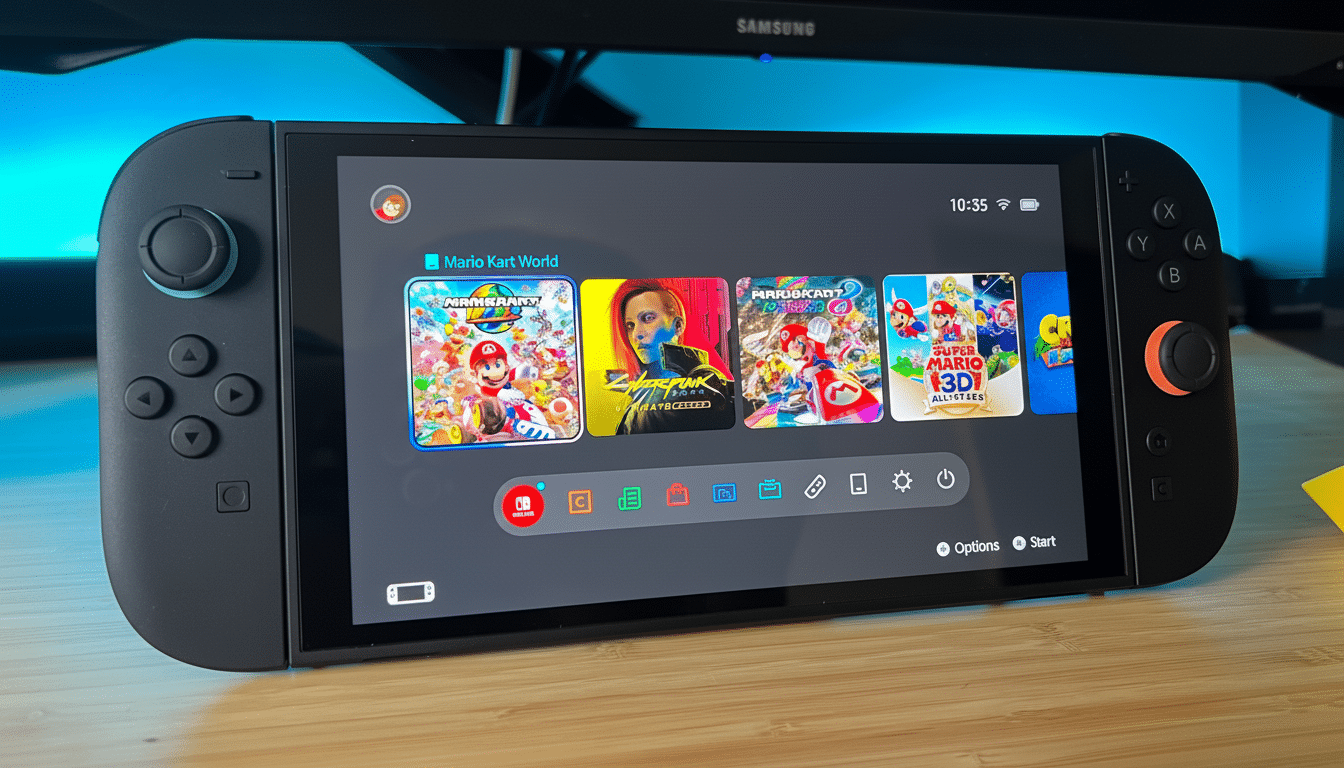
Previously, Nintendo has sourced game card tech from companies such as Macronix, and packaging, controller chips, and testing all go toward the bill of materials.
New low-capacity tiers can also smooth costs for publishers producing small-footprint games, while high-capacity cards for flagship games may still be relatively pricey if memory prices are tight.
Some industry scuttlebutt also suggests that plans for Switch 2 cards are being designed around smaller-capacity cards, with supply restraints potentially limiting availability in the early months. And even if true, a phased rollout would not be unheard of — Nintendo’s initial Switch generation gradually grew in the variety of its capacity options as its manufacturing capabilities ramped up.
What It Means For Switch 2’s Physical Approach
Looser media tiers would also encourage more indies back onto retail countertops. Physical releases continue to be valuable for visibility, collector interest, and gift-giving at a time when the vast majority of game sales are digital. The decrease in unit costs reduces the risk of a limited run and may allow modest MSRP reductions on smaller titles.
That’s not to say larger cards are going away. Big-budget open-world games, deluxe editions loaded with high-res assets, and multi-title collections will still require higher capacities. And publishers will probably still deploy download-style Game-Key cards where it’s practical, money-wise, particularly if memory prices hold.
As for Nintendo, there’s a strategic upside. “Part of the reason companies are invested in maintaining a healthier physical pipeline is that it keeps retail partners engaged, expanding shelf presence at launch for titles and merchandise while also allowing more flexibility with price points.” And if Switch 2 improves install speeds and read performance, as next-gen media tends to do, smaller cards could mean that publishers are suddenly back in the retro-compilation or indie-hit business without sticker shock.
The Bottom Line on Smaller Switch 2 Cartridges
None of this is confirmed until Nintendo confirms it. But add those clues together — the ININ slip, continued rumors in publishing, and now the economics of flash memory — and the case for smaller new Switch 2 game cartridges is quite compelling. If they show up, anticipate substantial discounts for smaller games, fewer download-centric boxes, and a physical pile that speaks more faithfully to the scope of software on its way to Nintendo’s next machine.
