


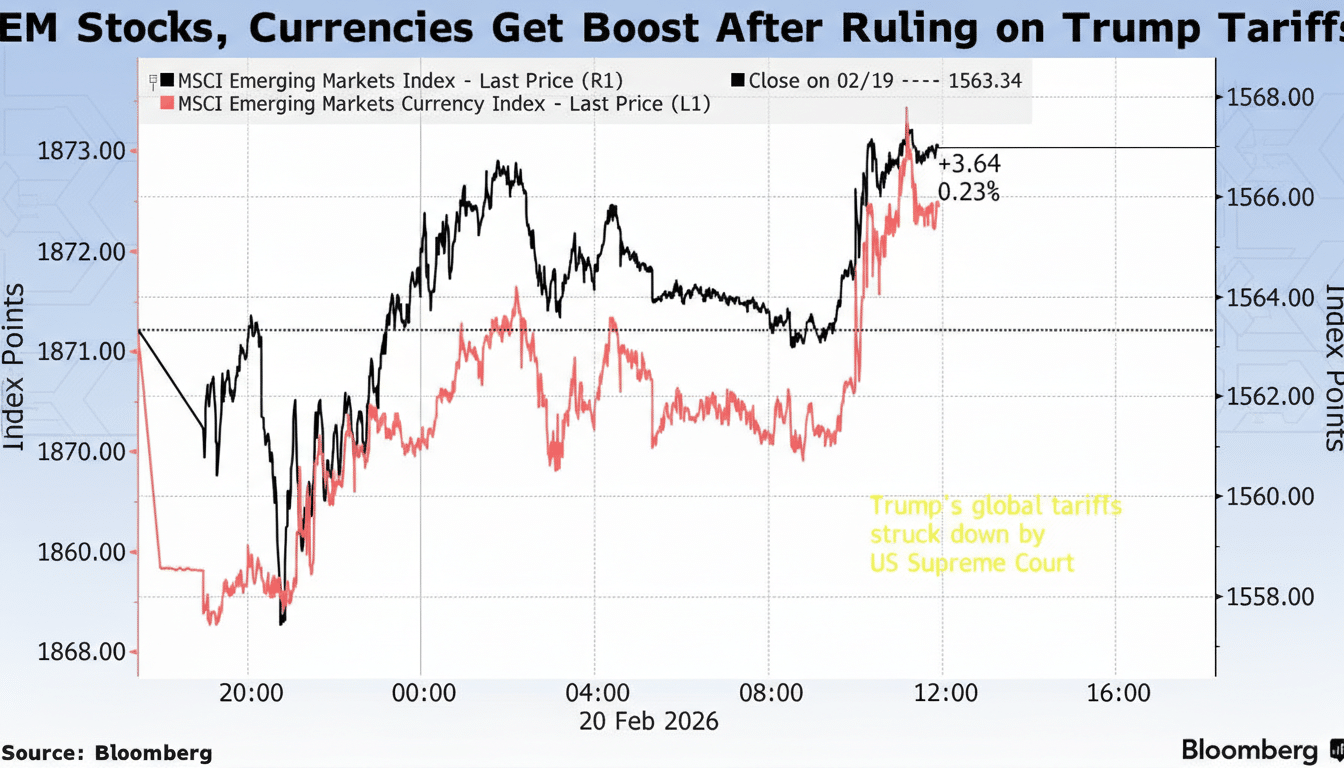
The Supreme Court struck down a signature set of Trump-era tariffs in a 6-3 decision, delivering a major separation-of-powers rebuke and immediately rippling through financial markets. Big Tech led a late-session rebound as investors wagered that lower import costs could ease margin pressure across hardware and cloud supply chains.
What The Court Decided On Presidential Tariff Powers
Chief Justice John Roberts wrote for the majority that the International Emergency Economic Powers Act does not grant the president open-ended authority to impose peacetime tariffs. The opinion underscored that Congress holds the constitutional power over duties and that any executive move to tax imports requires explicit, narrow authorization. Justices Sonia Sotomayor, Elena Kagan, Neil Gorsuch, Amy Coney Barrett, and Ketanji Brown Jackson joined the ruling; Justices Brett Kavanaugh, Clarence Thomas, and Samuel Alito dissented.
In the wake of the decision, President Trump signaled he would pursue a new 10% across-the-board tariff under Section 122 of the Trade Act of 1974, which allows temporary measures for balance-of-payments reasons. As reported by CNBC, he argued the White House retains tools to act quickly. That statute, however, is time-limited and would likely trigger rapid legal and congressional scrutiny if invoked.
Wall Street Reacts, Led By Big Tech After Tariff Ruling
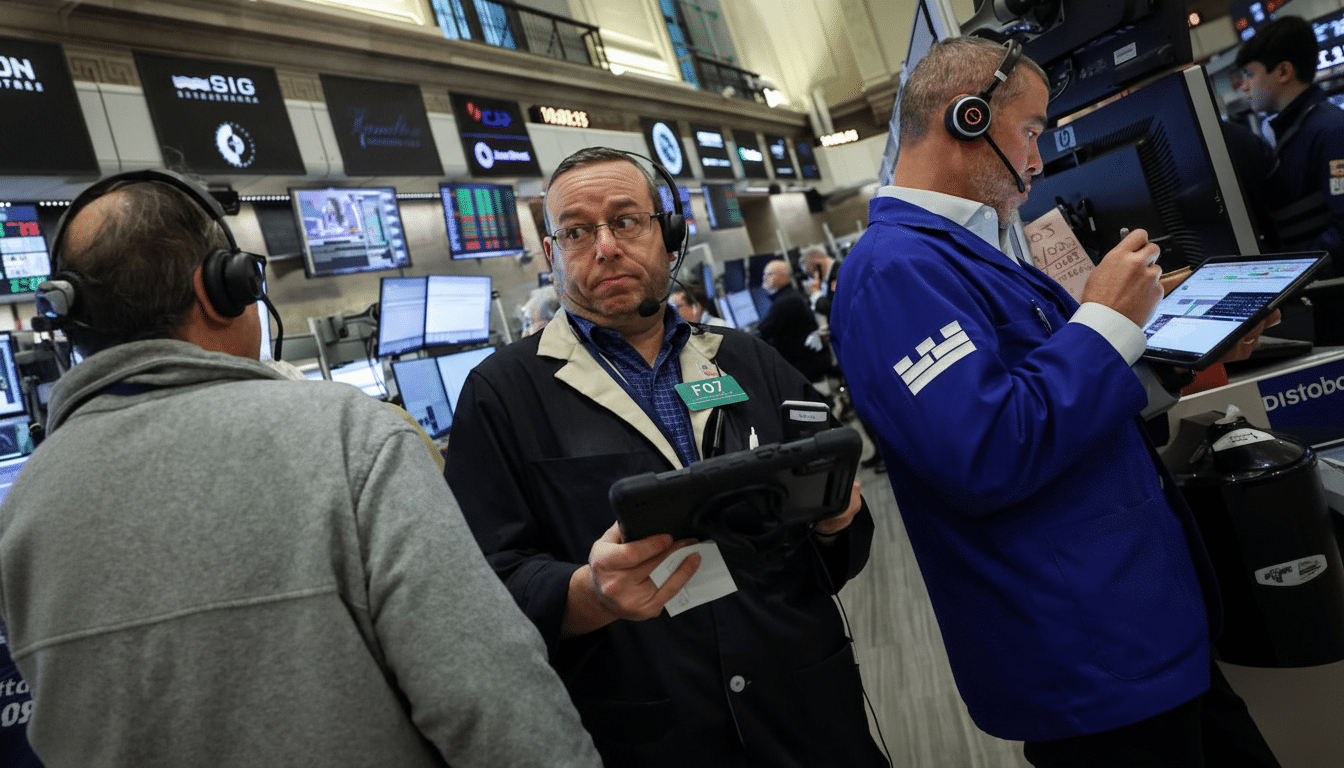
Soon after the ruling, shares of Apple, Amazon, NVIDIA, and Dell advanced, according to Barron’s, reflecting relief that components and finished goods sourced from Asia could face fewer cost headwinds. The move was notable but measured, suggesting investors still expect political and legal jockeying over trade to continue.
Hardware-heavy names were the first to pop. Consumer electronics, PCs, servers, networking gear, and peripheral makers bear immediate tariff exposure on motherboards, memory, displays, and power systems. A lighter duty regime can lift gross margins by basis points that matter at scale, especially for high-volume devices and data center builds.
Will Tech Prices Actually Fall After Tariff Reversal?
Consumers should not expect instant discounts. Academic work and Federal Reserve research on the 2018–2019 tariff waves found that U.S. importers absorbed most of the costs and then passed them through to buyers over time. The Peterson Institute for International Economics estimated that prior rounds raised household costs meaningfully, but those price effects tended to unwind slowly as contracts reset and inventories cleared.
Two realities could keep gadget prices sticky. First, companies reconfigured supply chains to mitigate earlier tariffs—shifting assembly to Vietnam, India, and Mexico, dual-sourcing components, and rewriting logistics contracts. Those changes carry recurring costs that do not disappear overnight, even if duties do. Second, persistent shortages in advanced memory tied to AI demand—especially high-bandwidth memory used in accelerator GPUs—remain a bottleneck. Market trackers such as TrendForce and industry executives have flagged tight HBM capacity as a continuing constraint, which supports elevated component pricing.
In short, the legal ruling removes a tax line item, but pricing teams typically move cautiously. Promotional activity could improve in select categories—older-gen laptops, monitors, and peripherals—before flagship phones or AI PCs see meaningful list-price changes.
Policy Path From Here On Trade Authority And Tariffs
If the administration pivots to Section 122 for a temporary 10% levy, it would face a narrow window and certain court tests over statutory fit and national-interest claims. Any attempt to make tariffs lasting would require Congress, where trade coalitions are fluid and party lines blur when constituent industries are on the line. Analysts expect agencies including the U.S. Trade Representative, Commerce, and Customs and Border Protection to issue guidance as import classifications and refund mechanics are clarified.
For corporate planners, the immediate tasks are tactical: reassess bill-of-materials costs, revisit hedging and supplier contracts, and decide how much of any savings to flow through to price versus margin. Most large tech firms are likely to wait for policy clarity before shifting manufacturing footprints again; the costly lessons of the past few years argue for stability.
Why The Tech Sector Is So Sensitive To Tariff Shifts
Tariffs touch nearly every layer of modern computing: chassis and displays for consumer devices, logic and memory for servers, and specialized components for AI accelerators. A modest reduction in landed costs can compound across millions of units, improving profitability for platform companies and capex efficiency for cloud providers. That math helps explain the swift bid in mega-cap tech and PC makers after the opinion landed, even as traders brace for the next policy headline.
The bottom line: the Court has reset the legal boundaries on trade authority, markets see incremental relief for tech supply chains, but consumers should temper expectations. Price cuts tend to be evolutionary, not instantaneous—especially in an era defined by AI-fueled demand and still-tight component ecosystems.
