


I put Sony’s new LinkBuds Clip head-to-head with Bose’s Ultra Open, two of the most interesting open-style earbuds you can buy. After a week of runs, commutes, and desk work, one model emerged as the better everyday companion for open-ear listening — and it wasn’t a close call.
Design And Fit That Actually Works For More Ear Shapes
Sony’s approach is refreshingly pragmatic: a soft, size-agnostic clip that hugs the outer ear and places a small driver just outside the canal. It’s easy to position, secure on the move, and crucially, comfortable for long stretches. I could wear the LinkBuds Clip through a full morning of calls and an afternoon workout without fatigue or pressure points.
- Design And Fit That Actually Works For More Ear Shapes
- Awareness First With Smarter Sound Leakage Control
- Sound Signature And Spatial Tricks That Define Each Model
- Controls And Apps In The Real World, Reliability Matters
- Battery Life And Daily Endurance For Open Earbuds Tested
- Calls, Codecs, And Durability In Varied Everyday Conditions
- Price And The Clear Winner For Most Open-Earbud Shoppers
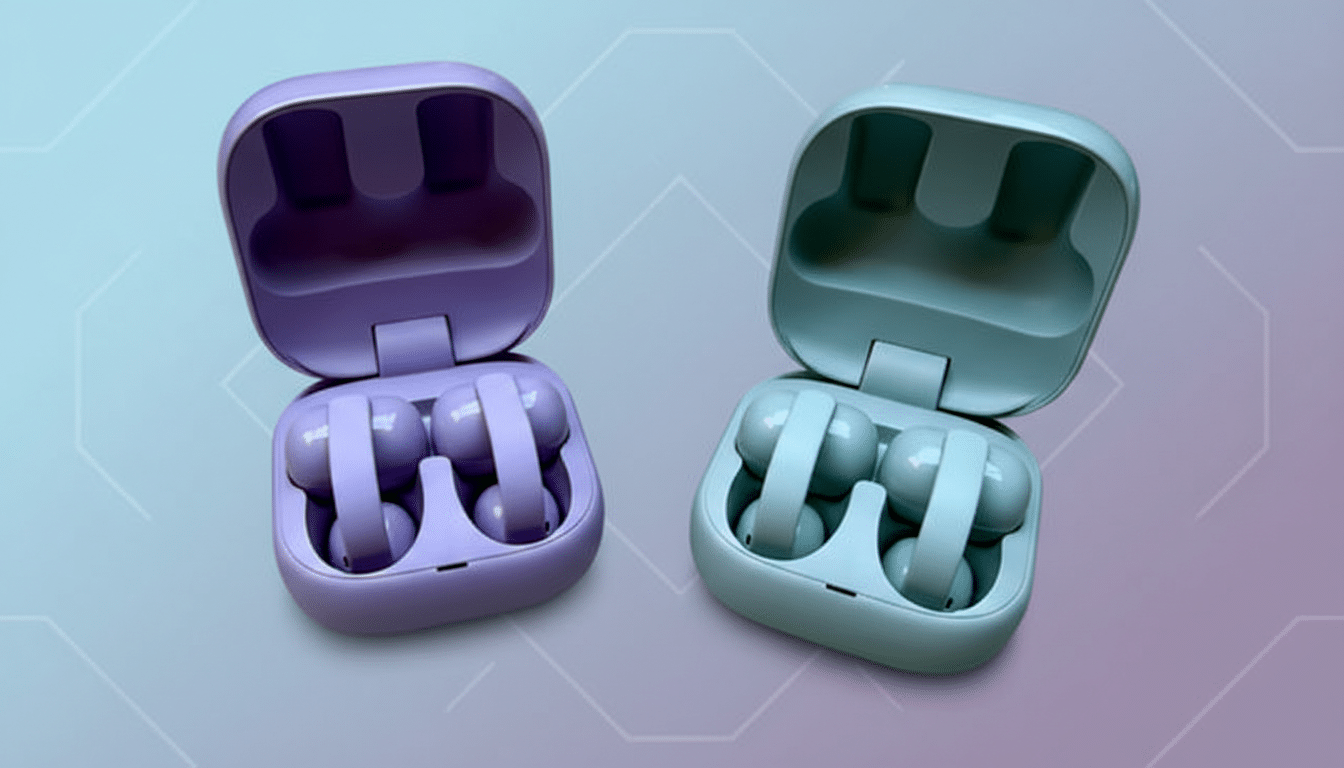
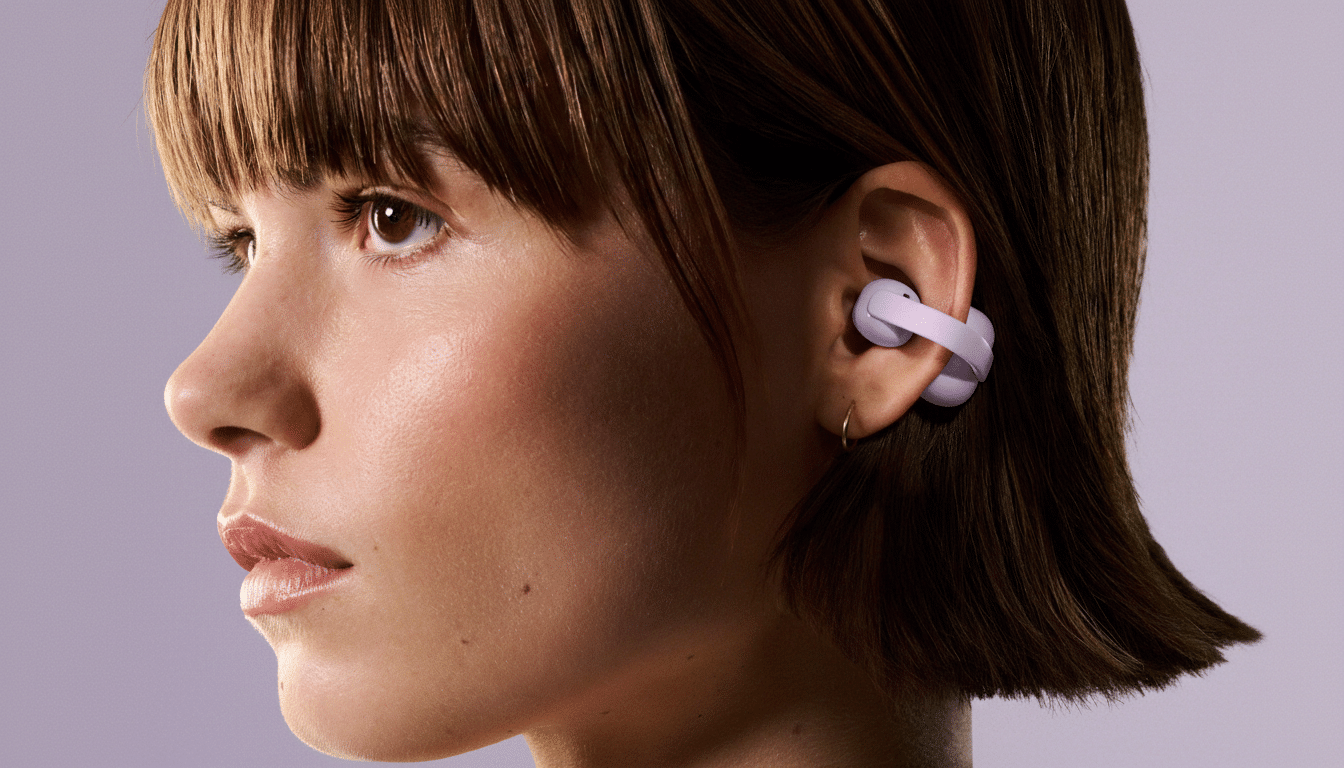
Bose’s Ultra Open, meanwhile, doubles as jewelry with a polished wrap-around arm and a discreet capsule. It’s stylish and stable, and it plays nicely with glasses and hats. But its rigid hinge doesn’t adapt quite as well to all ear shapes, and I needed occasional micro-adjustments during runs to maintain consistent sound placement.
Awareness First With Smarter Sound Leakage Control
Both designs keep you aware of your surroundings — the whole point of open earbuds — and both avoid the isolation of silicone tips. Bose promotes its OpenAudio architecture to limit sound spill, and at moderate volumes it does a solid job. Sony’s placement and driver tuning also keep leakage in check until you push volume past the halfway mark. In shared offices, colleagues only noticed either pair when I cranked them during bass-heavy tracks.
For outdoor safety, open earbuds remain the right call. You can hear cyclists approaching, crosswalk cues, and gym announcements. That situational awareness is why this category has grown steadily, a trend noted by multiple market trackers as more runners and hybrid workers opt for ambient-friendly audio.
Sound Signature And Spatial Tricks That Define Each Model
Sound quality is where Sony pulls away. The LinkBuds Clip presents a cleaner, more neutral profile: tight bass that doesn’t bloat, articulate mids for vocals and podcasts, and crisper treble that helps acoustic tracks and cymbal work breathe. It’s classic Sony tuning aimed at people who notice layering and stereo placement.
Bose leans into a richer, bass-forward presentation that flatters pop and hip-hop and makes low-volume listening feel fuller. Turn on Bose Immersive Audio and you get convincing spatial width, though per Bose’s own estimates, battery life drops noticeably with that mode active — in my use, enough that I toggled it only for music, not podcasts.
Independent reviewers have long characterized Bose as warm and punchy and Sony as more linear and detailed. That pattern holds here, and if you prefer balance over boom, the LinkBuds Clip lands the more refined listen.
Controls And Apps In The Real World, Reliability Matters
Bose’s big win is control reliability. Physical buttons on each Ultra Open bud deliver unmistakable clicks for play, volume, and mode changes. When you’re sweaty or wearing gloves, that certainty matters. Sony opts for touch surfaces; they’re mostly responsive, but I still misfired a few gestures while jogging.
Both companion apps are polished. Sony’s app offers granular EQ, adaptive volume options, and smart features seasoned Sony users will recognize. Bose’s app keeps things simple, letting you tailor controls and switch spatial modes quickly. Either way, setup is painless, and both support fast pairing on major platforms.
Battery Life And Daily Endurance For Open Earbuds Tested
Numbers tell part of the story, but lived experience matters more with open earbuds. Over a typical mixed day — phone calls, a commute, a run, and background music at my desk — the LinkBuds Clip consistently made it past dinner on a single charge. The Bose Ultra Open needed a quick top-up by late afternoon whenever I enabled immersive features. That aligns with company guidance that advanced processing trims endurance by a meaningful margin.
Both include a charging case for multiple recharges, and both support quick-charge bursts that get you back to listening fast. Still, if you hate battery anxiety, Sony’s real-world stamina is the safer bet.
Calls, Codecs, And Durability In Varied Everyday Conditions
Open designs will never isolate your voice like sealed buds, but beamforming mics on both sets were serviceable on quiet streets and indoors. Wind can trip them up, though Bose handled gusts slightly better in my tests. Codec support is dependable across iOS and Android with the usual SBC and AAC; neither pair is chasing audiophile bitrates, and that’s fine for their purpose.
For workouts, both offer sweat resistance appropriate for gym sessions and runs. The clip mechanisms stayed put during intervals and hill repeats; if you wear glasses, Bose’s slimmer arm clears most frames, while Sony’s softer cushion feels gentler over long sessions.
Price And The Clear Winner For Most Open-Earbud Shoppers
Value seals it. At launch pricing, Sony undercuts Bose by $70, and that gap looms large in a category meant for secondary listening — running, errands, and casual background sound. Add the more balanced tuning and longer day-to-day stamina, and the LinkBuds Clip is the open-earbud I’d recommend first.
If you prize tactile controls, a bassier sound, and a jewelry-like aesthetic, the Bose Ultra Open still makes sense. But for most people looking to enjoy music while staying alert to the world, Sony’s LinkBuds Clip wins this matchup on fit, fidelity, and price.
