


Sony is joining forces with TCL on a new TV venture that would put TCL in the driver’s seat of Sony’s home entertainment business. That might sound like a culture clash—premium pedigree meets value giant—but it is more likely to accelerate better picture quality at lower prices, without losing the Sony touch that home theater fans prize.
What the partnership actually means for Sony and TCL buyers
The agreement envisions TCL taking a controlling stake in Sony’s TV and home audio unit, forming a joint company that blends Sony’s image processing, industrial design, and brand equity with TCL’s manufacturing scale, panel sourcing, and cost efficiency. In practical terms, don’t expect overnight changes. Early models would likely preserve the Bravia identity, with TCL handling more of the build and supply chain.
- What the partnership actually means for Sony and TCL buyers
- Why consumers could win on price, performance, and features
- Specs and performance to watch in upcoming joint-venture TVs
- The market context shaping a Sony–TCL television alliance
- Real risks and open questions for quality, IP, and support
- What to watch next as the joint venture rolls out TVs
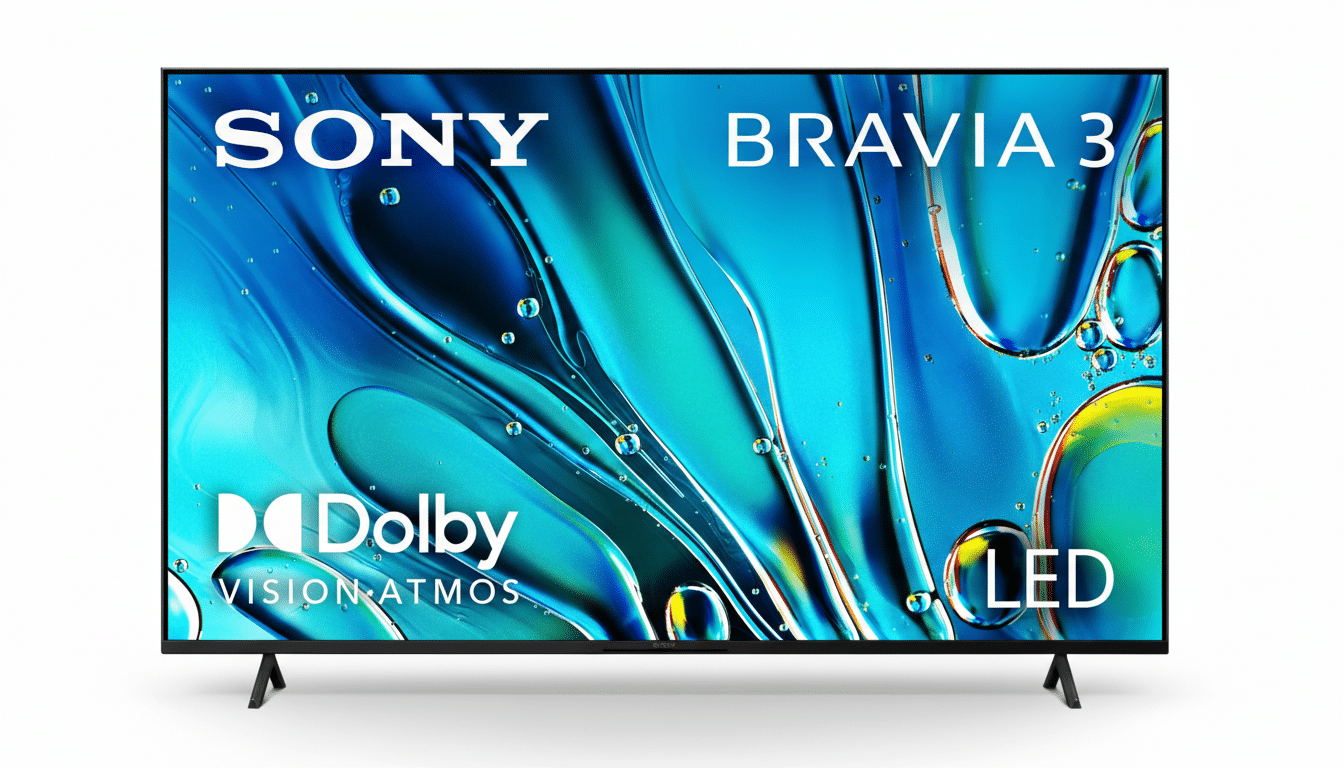
Think of it as a division of labor: Sony defines the picture philosophy and user experience; TCL ensures the hardware is produced at scale, on time, and at a sharper cost basis. The result could be co-branded sets that aim to look and feel like Sony televisions, yet benefit from TCL’s vertical integration.
Why consumers could win on price, performance, and features
Panel costs are trending down, but not evenly across the market. Display Supply Chain Consultants has charted steady, double-digit declines in OLED and Mini-LED component costs in recent cycles, yet retail price drops often lag. TCL’s scale and panel-making affiliate CSOT can compress those gaps, which historically leads to quicker price normalization on advanced tech.
Sony’s strengths—skin-tone realism, motion handling, tone mapping, and reference-grade calibration—could be paired with TCL’s rapid deployment of Mini-LED backlights and high-zone dimming. TCL has been aggressive with thousands of local dimming zones and high peak brightness; Sony’s signal processing can rein in blooming, refine shadow detail, and improve gradation. If done right, that pairing means more premium performance in the midrange, not just at flagship prices.
Specs and performance to watch in upcoming joint-venture TVs
Silicon matters. Many modern TVs use MediaTek Pentonic chipsets; Sony layers proprietary processing—historically its XR pipeline—on top. A combined roadmap could see Sony’s algorithms ported to the same SoCs that TCL already deploys at scale, reducing development cost without dumbing down the output. Expect scrutiny on motion interpolation, near-black handling, and how aggressively the sets push peak HDR brightness versus sustained luminance.
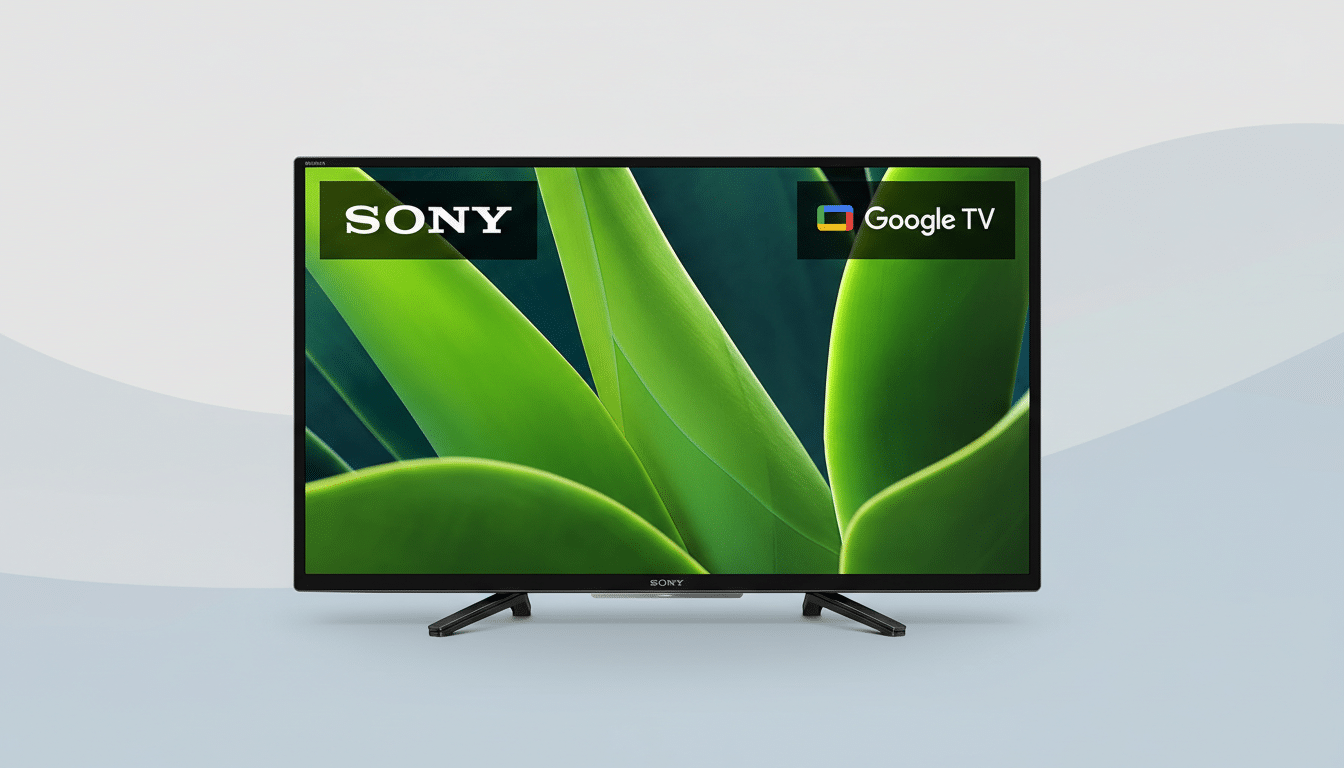
Gamers should watch for 4K/120, VRR, and low input lag parity across sizes, not just on flagships. Audio is another differentiator: Sony’s Acoustic Surface and clever DSP tuning could influence speaker configurations even on thinner chassis. Software consistency also matters; both companies back Google TV, and tighter firmware coordination could improve update cadence and app stability.
The market context shaping a Sony–TCL television alliance
By shipments, TCL has been among the top global TV vendors, frequently slotting into the top two, according to Omdia. Sony sits lower in unit volume but punches above its weight in premium price bands by revenue. That split explains the logic here: Sony’s brand and picture science give TCL more premium credibility, while TCL’s scale shields Sony’s designs from the rising costs that squeeze niche premium makers.
Competition is fierce. Samsung and LG dominate mindshare at the high end, while TCL and Hisense capture value seekers. Several legacy names have already scaled back TV ambitions to chase healthier categories. A Sony–TCL venture could stabilize the middle ground—where most buyers actually shop—by making Mini-LED and advanced OLED more accessible without sacrificing calibration standards.
Real risks and open questions for quality, IP, and support
Quality control is non-negotiable. Sony loyalists expect uniform panels, clean upscaling, and conservative tone mapping. If the new models chase spec-sheet brightness at the expense of accuracy, the brand takes a hit. Firmware support and customer service must also remain at Sony levels across regions, not just on halo models.
There are supply-side questions, too. Premium OLED sourcing still leans on LG Display and Samsung Display; Mini-LED stacks vary by supplier. Balancing panel diversity with consistent tuning is hard. And while TCL previously acquired display-related IP from competitors, integrating Sony’s proprietary processing and audio tricks into mass production requires careful IP governance and rigorous validation.
What to watch next as the joint venture rolls out TVs
Early waves of joint-venture TVs may ship in fewer sizes and configurations as the companies align factories, software, and QA. Look for co-branding that signals who designed the picture pipeline and who built the set. Independent measurements—black level, EOTF tracking, color volume, blooming control, and input lag—will tell you if this marriage is working.
If the execution matches the promise, shoppers should see more TVs that look like Sony and price like TCL. In a category where great tech often costs too much for most households, that’s the kind of disruption worth rooting for.
