


I spent the week covering the world’s biggest gadget show wearing smart glasses, not as a stunt, but as a practical test. The verdict: they helped me move faster, take cleaner notes, and keep my head up—until the radio spectrum inside the exhibition halls collapsed under its own weight. Here’s what actually worked, what didn’t, and what needs to change for these wearables to become standard reporter gear.
Two Types of Smart Glasses, Two Different Jobs
On the show floor I leaned on waveguide smart glasses—lightweight frames with transparent lenses that overlay snippets of text in your line of sight. Think notifications, calendar tiles, and navigation cues. Typical field of view is 20–30 degrees, and brightness is tuned to remain readable without obscuring the world. They’re built for glancing, not for deep work.
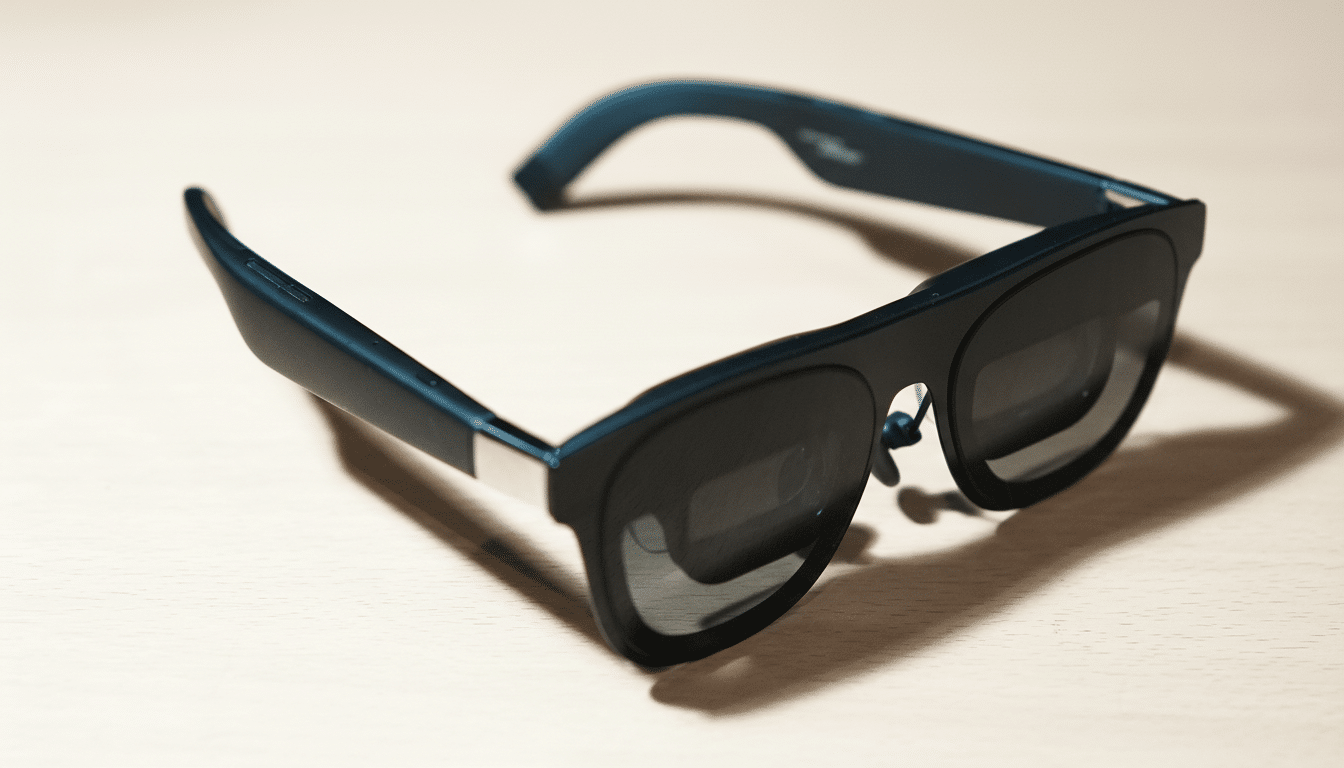
When it was time to write, I swapped to prism or micro‑OLED display glasses tethered by USB‑C. These behave like wearable monitors: 1080p‑class virtual screens, a wider field of view, and optional “pin to space” modes that keep a virtual display fixed as if it were an ultrawide on a stand. Heavier, yes, and not safe for walking, but unbeatable as a private, portable workstation.
What Worked on the Show Floor During CES
The waveguide pair kept me on schedule without a phone in my hand. A quick tap on a finger ring controller summoned the time, the next meeting, and the room number. Messages from editors appeared inline; I triaged them with a glance and kept moving. Compared with a smartwatch, the information sat higher in my visual field and didn’t require a wrist twist or touch to wake.
Discretion mattered. Lightweight frames with prescription lenses felt like regular glasses when the display idled, and I never worried about pointing a camera at anyone. Battery life covered a full day of intermittent use, aided by aggressive auto‑sleep. The key, I found, wasn’t raw display power; it was tight notification integration and input you can hit without thinking. If your glasses can mirror your phone’s notifications and calendar reliably, they become a hands‑free HUD for the chaos of a trade show.
Where It Fell Apart Inside the Exhibition Halls
Step into the main exhibition spaces and the physics change. The Consumer Technology Association routinely reports six‑figure attendance and thousands of exhibitors. That means dense Wi‑Fi and Bluetooth congestion across 2.4GHz and 5GHz, plus a thicket of beacons, demos, and pop‑up networks. The Wi‑Fi Alliance’s guidance on high‑density deployments reads like a warning label for wearables: collisions, retries, and latency spikes are inevitable.
In practice, my waveguide glasses lost their tether to the phone often enough that notifications lagged or vanished. The ring controller—paired separately over Bluetooth Low Energy—would occasionally stop responding until I moved out of the hall. Calendar items cached locally still worked, but live features like voice capture and AI summaries sputtered. It wasn’t a product failure so much as a venue stress test. Bluetooth SIG documentation makes clear that LE is resilient, not invincible, and few places abuse the airwaves like a convention center.
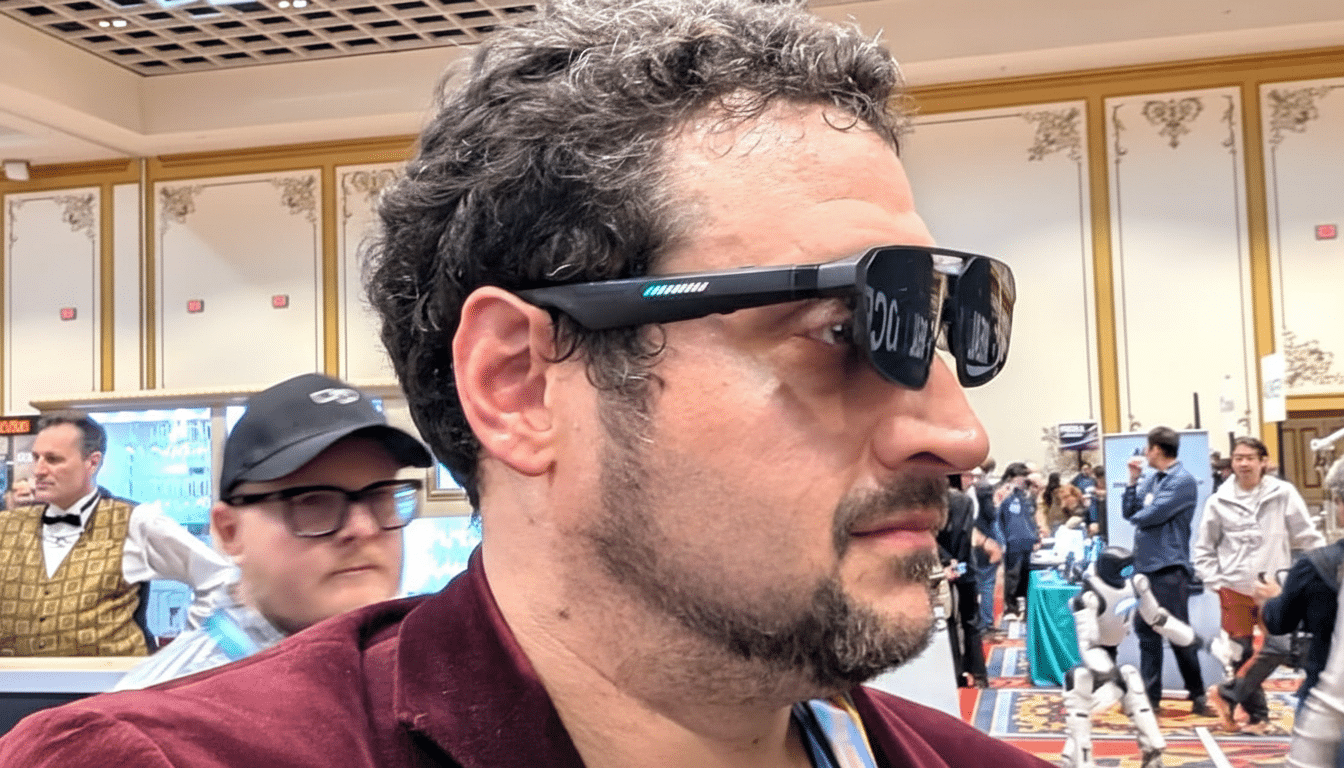
Writing with Prism Displays Was the Clear Win
Once seated, the wired display glasses shone. Plugged into a laptop, they presented an expansive canvas—effectively an ultrawide monitor I could set at a comfortable virtual distance. With head‑locked windows for notes, photos, and a CMS, I wrote faster and sorted assets without juggling windows on a cramped 14‑inch screen. Motion‑stabilized modes reduced eye strain by keeping the “screen” steady as I shifted in the chair.
Unexpected benefit: privacy. On flights, in cafés, or in press rooms, I could review embargoed material without shoulder surfers. The trade‑off is comfort. Heavier lenses and a cable add neck and cable‑management friction, and some models need a clip‑on shade for bright environments. But for focused work, the boost in usable pixels outweighed the hassle.
Lessons from the Field After a Week at CES
- Connectivity beats clever UI. A modest monochrome overlay with bulletproof notification mirroring was more useful than a flashy color UI locked to one ecosystem. If your newsroom runs on Google Workspace, Slack, or Teams, verify those hooks before you pack.
- Hands matter more than voice. Trade shows are loud. Touch input—whether temple gestures or a finger ring—was consistently faster and less awkward than shouting commands into the din.
- Cache for the win. Local calendars, offline notes, and on‑device transcription kept me productive when radios got noisy. Vendors should prioritize graceful degradation when connectivity drops to zero.
- Brightness and contrast are underrated. Under exhibit hall lighting, a high‑contrast, green or white‑on‑black overlay stayed readable without making me squint. Specs like nits and transmission percentage deserve as much attention as field of view.
What Needs to Happen Next for Smart Glasses
Standardized software stacks will decide this category’s trajectory. Google’s push toward a unified Android for XR and Qualcomm’s recent AR‑centric chipsets point in the right direction: consistent app support, reliable power management, and common input metaphors across brands. Today, fragmentation forces journalists to choose hardware around one or two services; that’s a non‑starter for widespread adoption.
Radio resilience is the other frontier. Smarter multi‑radio strategies—prioritizing 5GHz/6GHz when available, opportunistic tethering to a laptop, and more aggressive local caching—would blunt the trade‑show spectrum crunch. Venue networks are improving, but wearables must assume worst‑case RF conditions.
Finally, ship the right defaults. Out of the box, waveguide glasses should mirror core notifications, pin a calendar tile, and offer a silent, tactile input. Prism displays should make “virtual ultrawide” and head‑stabilized modes easy, not buried in a lab menu. Do that, and more reporters—and plenty of other pros—will keep these on their faces.
Bottom line: smart glasses already helped me cover the show faster and with fewer distractions. Waveguides handled the hustle; wired displays handled the work. Fix the software gaps and the radio headaches, and they won’t just be a glimpse of the future—they’ll be standard kit.
