


The busiest corners of the show floor at CES weren’t around TVs or laptops — they were wherever the latest smart glasses were being demoed. From stereoscopic 3D gaming to ultrawide work modes and whisper-quiet live translation, this wave of eyewear presented a compelling argument that wearables are graduating from novelties into everyday tools.
There was one apparent exception: No Android XR hardware was displayed. Google also showed prototypes of development kits and XReal’s Project Aura, but the production devices weren’t available. That vacuum highlighted the way in which the category continues to be scattered — and why the standout models below held so much weight.
- Stereoscopic 3D gaming on XReal 1S shows real depth gains
- Esports-focused speed chasers target 240Hz performance
- HDR comes to wearable displays with RayNeo Air 4 at $299
- AI assistants that really disappear in Xgimi MemoMind glasses
- Creative captioning that matches real conversation in Captify Pro
- The absent platform for Android XR, and why it matters
- Bottom line on smart glasses momentum after this CES
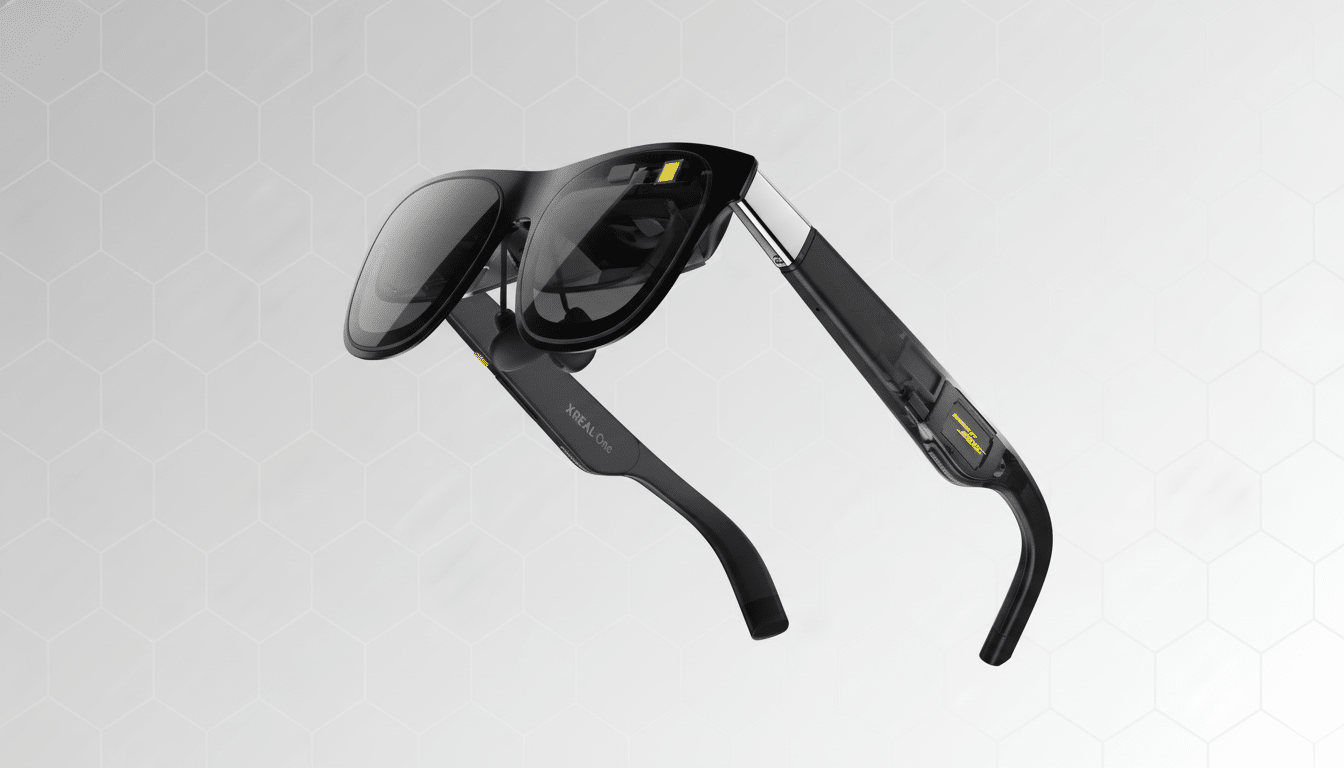
Stereoscopic 3D gaming on XReal 1S shows real depth gains
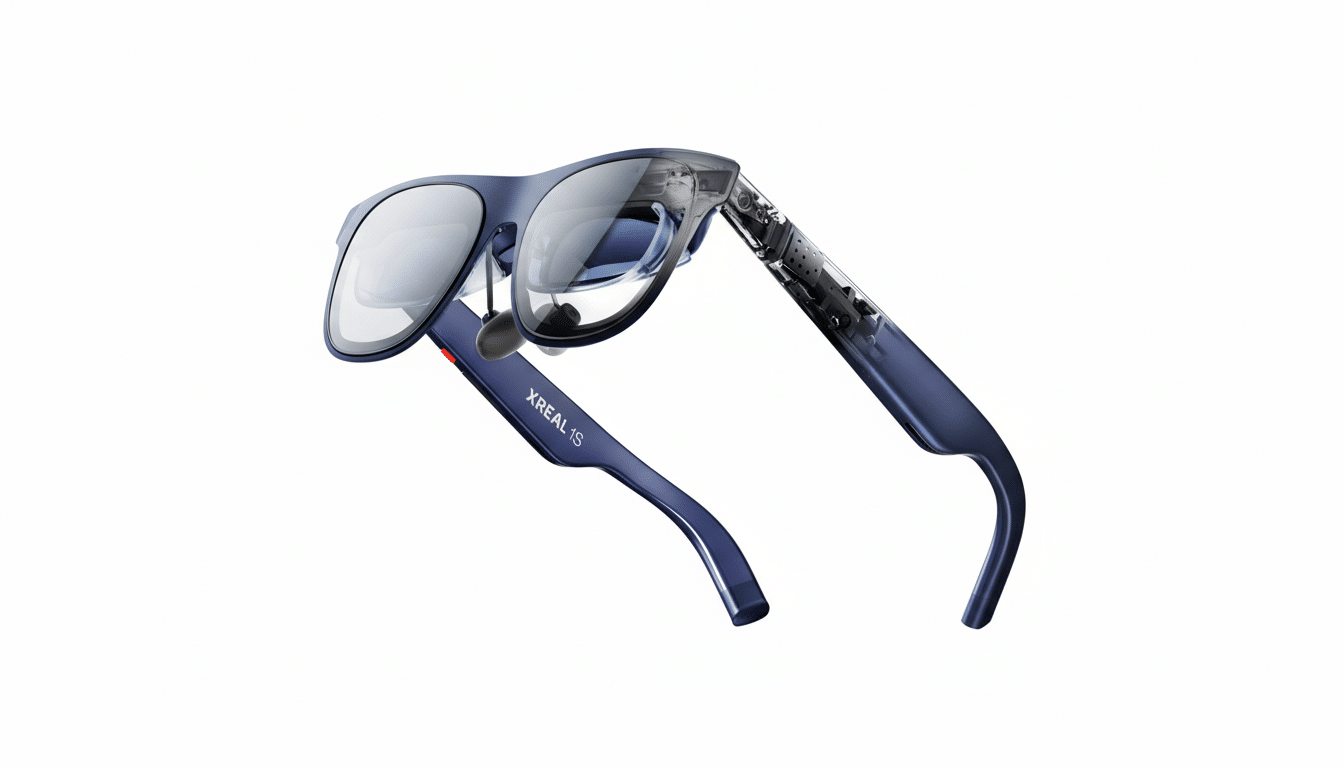
XReal’s 1S cruised just above the line with Real 3D, a feature that turns any input 2D signal into stereoscopic depth. It’s not a gimmick; in games, the extra parallax and object separation really do add to the sense of presence, especially in platformers, racers, and isometric games, for example. The pre-release firmware suffered occasional frame-rate dips and some flicker — problems the company says it’s tweaking — but the upside was clear.
For work, the 1S also brings back XReal’s ultrawide 32:9 mode that allows two full-size windows to float side by side (without an actual monitor). For travelers and hybrid workers, that’s the kind of shift from “cool demo” to “real workstation” that matters. At $449, the 1S lands beneath last year’s One Pro, but includes the headline act of features that most people actually used there, too.
Esports-focused speed chasers target 240Hz performance
Developed in partnership with Asus’ Republic of Gamers, the ROG XReal R1 boasts the fastest display in a smart-glasses set at 240Hz. Tuned for fast-twitch play and slick head tracking, it comes with built-in head movement, too. It eschews XReal’s Real 3D and ultrawide modes, committing to a simpler, speed-first brief — along with customizable RGB lighting on the temples for the arena crowd.
HDR comes to wearable displays with RayNeo Air 4 at $299
RayNeo’s Air 4 slices dollars not just thin, but in half, bringing HDR10 to this category at $299. For streaming and more high-contrast games, HDR’s wider brightness and color volume help pop highlights while maintaining shadow detail, giving less of a “flat” impression to some micro-OLED glasses. Aside from the addition of HDR, the specs are largely in line with those of the Air 3 Pro, making this arguably one of the easiest recommendations for media-first buyers.
AI assistants that really disappear in Xgimi MemoMind glasses
Projector brand Xgimi bent itself to the task with its MemoMind series of AI-forward glasses that favor subtlety. A hybrid multi-LLM approach routes requests across OpenAI, Azure, and Qwen based on the task to achieve faster and more relevant responses. It sports a binocular screen, and even the lighter Memo Air Display, with its monocular design, weighs only 1.02 ounces — one of the lightest display-toting pairs on the show floor. Importantly, all three models appeared unmistakably like standard eyewear, not props in a sci-fi film.
Creative captioning that matches real conversation in Captify Pro
Captify’s new Pro version is designed for live captioning, and it shows. Beamforming, noise-canceling microphones pick up a speaker in a noisy environment; the software differentiates non-speech sounds — laughter, alarms — for real closed captions; and it translates two-way into 40 languages, including an offline mode. At $899, it’s more expensive than general-purpose waveguide glasses, but its focus is clear: accessibility and communication.
The need is real. According to the World Health Organization, more than 1.5 billion people have hearing loss or listening conditions — a number that is likely to rise as populations age. These wearables for dedicated captioning meet users where they are — in transit, in a lecture, or at a meeting — unencumbered by the stigma or obstruction of specialized headsets.
The absent platform for Android XR, and why it matters
Platform unity is still the category’s greatest void. And Android XR might offer a common layer for apps, updates, and accessories — just as classic Android did for phones. But until then, developers must navigate myriad device-specific SDKs — even content standards (like OpenXR from the Khronos Group) settle mostly for abstraction mechanisms. Hardware is coalescing — many glasses are built on Qualcomm XR platforms — but software fragmentation has been slowing the process of creating must-have apps.
Analysts like IDC and Counterpoint have long pointed out that consumer AR lags behind enterprise, because things like comfort, battery life, and app ecosystems must all align at the same time. At CES, however, progress was evident in all three areas: lighter frames with larger fields of view and trajectories that suggested incrementally improving optics and clearer use cases — from ultrawide work modes to real-time translation — that didn’t require buying into a walled garden.
Bottom line on smart glasses momentum after this CES
This generation of smart glasses doesn’t pursue one killer app; it adds up practical wins. The 1S by XReal breathes new life into games and multitasking; the ROG XReal R1 has latency hawks cooing; and RayNeo makes HDR a democratic right. Xgimi hides AI in plain sight; Captify turns captions into a wearable utility. Should Android XR bring the software side to a single shared experience, the next wave won’t just steal the show — it will be here even after it’s gone.
