


After testing hundreds of Linux distributions across laptops, desktops, and mini PCs, I see a clear pattern for 2026: users are flocking to systems that are dependable, easy to recover, and familiar enough to adopt without friction. The end of Windows 10 support accelerated the shift, but the real story is Linux’s maturation. Between atomic updates, reproducible setups, and polished desktops, these six distros are best positioned to lead the year.
Industry signals point the same way. StatCounter’s desktop data shows Linux steadily edging upward, Valve’s Steam Hardware Survey keeps Linux above the 1%–2% mark among active gamers, and the Stack Overflow Developer Survey continues to place Linux near the top of professional workflows. With that backdrop, here are the picks that stand out for 2026.
- Why These Six Linux Distributions Are Set to Lead 2026
- Pop!_OS and the COSMIC Desktop Make a Bold 2026 Bet
- Zorin OS Remains the Top Choice for Windows Switchers
- Fedora’s Atomic Desktops Set the Standard for Reliability
- openSUSE Aeon and MicroOS Desktop Deliver Transactional Safety
- NixOS Goes Mainstream for DevOps with Reproducible Systems
- Linux Mint Remains a Safe Harbor for Homes and Small Offices
- The Bottom Line: These Six Linux Distros Will Define 2026
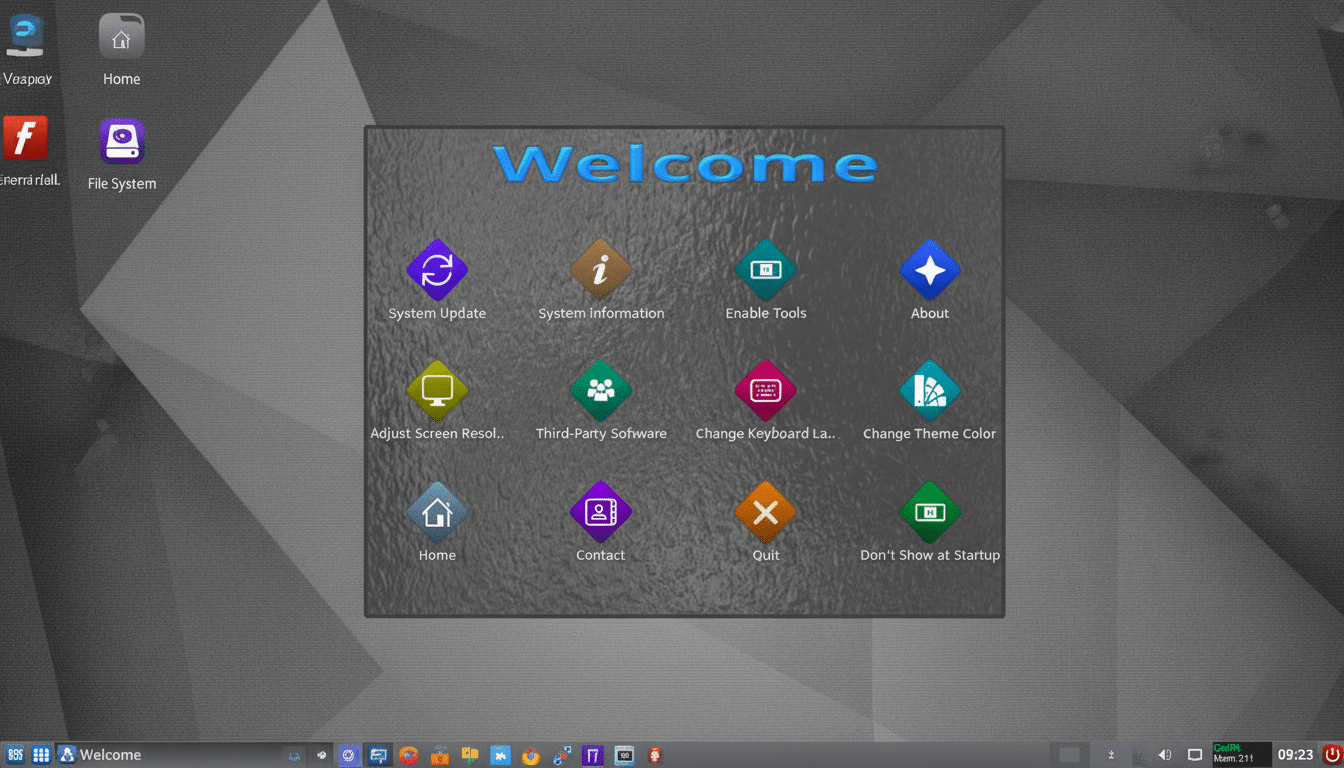
Why These Six Linux Distributions Are Set to Lead 2026
Three forces are driving the winners: atomic or transactional updates that make rollbacks painless, thoughtful user experience that reduces switching costs, and strong ecosystems for gaming and development. Distributions that nail at least two of these are poised to surge as organizations and individuals re-evaluate their operating systems.
Pop!_OS and the COSMIC Desktop Make a Bold 2026 Bet
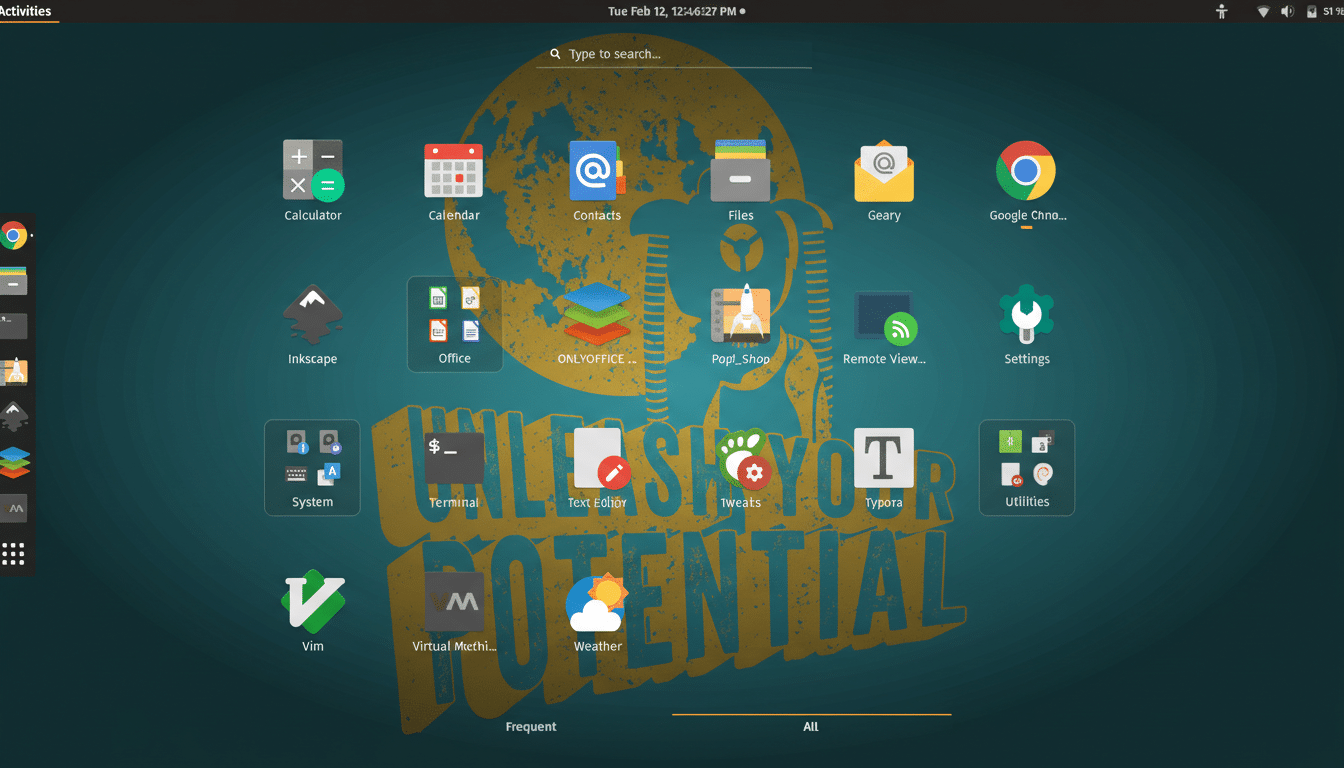
System76’s Pop!_OS has been good for years, but its Rust-built COSMIC desktop turns it into a trendsetter. COSMIC delivers a snappy, refined experience with tiling, per-app controls, and layout options that feel intentional rather than bolted on. Firmware updates through the Linux Vendor Firmware Service, excellent hybrid graphics support, and smart defaults make it a safe recommendation for creators and developers alike.
What moves the needle is focus: Pop!_OS trims distractions and invests where users live day to day. If you want a cohesive, modern desktop without babysitting extensions, this is the year Pop!_OS becomes the default answer.
Zorin OS Remains the Top Choice for Windows Switchers
Zorin OS has the on-ramp problem solved. Its curated app set and Zorin Appearance layouts minimize the relearning curve, while the Pro option bundles professional-grade tools in a single install. The team reported crossing a million downloads in a short span after Windows 10’s retirement, with roughly 78% initiated from Windows machines—evidence that the “it just works” pitch resonates.
The appeal is straightforward: fewer hoops, clean design, and a stable Ubuntu base. For households and offices migrating en masse, Zorin OS will likely be the first distribution that sticks.
Fedora’s Atomic Desktops Set the Standard for Reliability
The Fedora family’s atomic desktops—Silverblue (GNOME), Kinoite (KDE), and Onyx (COSMIC)—embody where Linux is headed. Using rpm-ostree, they ship an image-based, read-only core with seamless rollbacks and layer-on changes that won’t corrupt your system. Pair that with Flatpak for apps and toolbox/distrobox for developer containers, and you get a workstation that is both resilient and flexible.
Backed by the Fedora Project’s fast release cadence and rigorous community testing, these spins will be the benchmark for reliable, modern desktops in 2026—especially in engineering teams that can’t afford downtime.
openSUSE Aeon and MicroOS Desktop Deliver Transactional Safety
openSUSE’s Aeon and MicroOS Desktop deliver transactional updates with btrfs snapshots, letting you roll back from the boot menu if anything goes sideways. The combination of openQA-driven testing, SUSE’s enterprise pedigree, and smart tooling (Snapper, Podman, YaST where appropriate) gives these systems a “bulletproof” feel.
For admins rolling out fleets—or power users who want an always-clean base with Flatpak on top—Aeon is a compelling answer. Expect it to win converts from traditional rolling releases.
NixOS Goes Mainstream for DevOps with Reproducible Systems
NixOS turns your entire system into code. One declarative config defines packages, services, and settings; reproducible builds and instant rollbacks make it ideal for developers and platform teams. Interest in Nix has surged—reflected in GitHub star growth and community meetups—because it solves the “works on my machine” problem at the OS layer.
Tooling like flakes, devshells, and remote builds is maturing quickly. For 2026, expect more companies to standardize developer laptops on NixOS to align with their infrastructure-as-code practices.
Linux Mint Remains a Safe Harbor for Homes and Small Offices
Mint remains the distribution I can hand to anyone. The Cinnamon desktop is familiar without being derivative, and Mint’s Update Manager, Driver Manager, and Timeshift integration strike a rare balance between control and safety. It’s a pragmatic Ubuntu-based system that avoids surprises and publishes transparent funding reports—signals of a project built for the long haul.
With Proton making gaming viable and everyday apps easier to install via Flatpak, Mint becomes a “set it and forget it” choice for households and small businesses in 2026.
The Bottom Line: These Six Linux Distros Will Define 2026
Linux momentum isn’t about a single distro taking all the oxygen; it’s about a class of systems delivering reliability plus ease. Pop!_OS and Zorin OS will win on user experience, Fedora and openSUSE will lead on atomic resilience, NixOS will capture developers, and Mint will anchor the mainstream. With Steam’s Proton lowering the barrier for gamers and organizations reevaluating desktop spend, these six look set to define 2026.
