


As we step into 2026, the landscape of content creation has drastically evolved. Platforms offering all-in-one solutions have gained massive traction, and for a good reason. In today’s fast-paced world, content creators need tools that can help them work efficiently, produce high-quality content, and manage their entire workflow without needing multiple subscriptions or complicated software.
In this blog, we’re diving into the best all-in-one platforms of 2026, highlighting their unique features, strengths, and of course, their downsides. We’ll focus on one standout platform, Loova, and explain why it’s leading the charge in making content creation smarter, faster, and more fun.
- 1. Loova: The Ultimate AI-Powered Content Creation Platform
- 2. Freepik: The Ultimate Source for Creative Assets
- 3. Litmedia: AI for Media and Content Creation
- 4. Artlist: Music and Sound Effects Made Simple
- 5. OpenArt: Generating Stunning Artwork with AI
- 6. Adobe Firefly: AI for Design and Digital Creation
- 7. Weavy: AI Collaboration Tools for Teams
- 8. Clipfy: AI Video Editing at Its Best
- 9. Higgsfield: AI for Business and Content Automation
- 10. DomoAI: Data-Driven AI for Better Decision Making
- Conclusion:
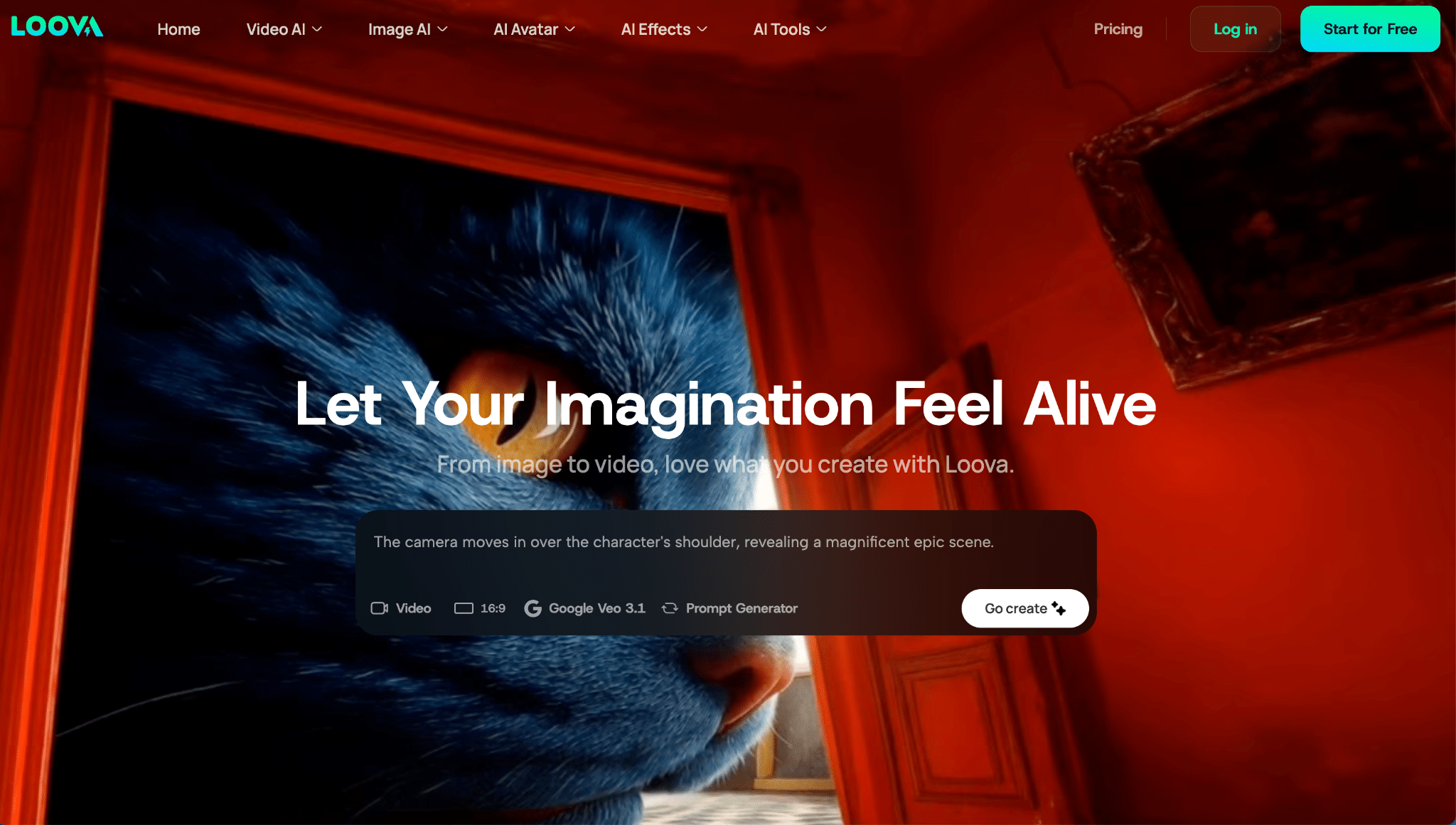
1. Loova: The Ultimate AI-Powered Content Creation Platform
Overview:
If you’re a content creator, whether you’re a YouTuber, a brand, or just someone passionate about producing videos and visuals, Loova is a game-changer. Loova brings together multiple powerful AI tools for video, image, avatar and audio creation in one seamless platform.
Key Features:
- AI Video Generation: Loova offers text-to-video, image to video, and even video-to-video generation. This means you can take a script, an image, or even one video and turn it into something entirely new and creative with minimal effort. Loova integrates with AI models like Kling O1, Veo 3.1, Sora 2 Pro, Wan, Hailuo etc for you to select and create.
- AI Image Generation: If you need quick visuals, Loova’s text-to-image and image to image generators have you covered. Whether you’re designing thumbnails for YouTube or creating social media posts, these tools help you generate stunning graphics effortlessly. Loova gives you access to Nano Banana Pro, Seedream 4.5, Flux.2 etc to let you create freely and flexibly.
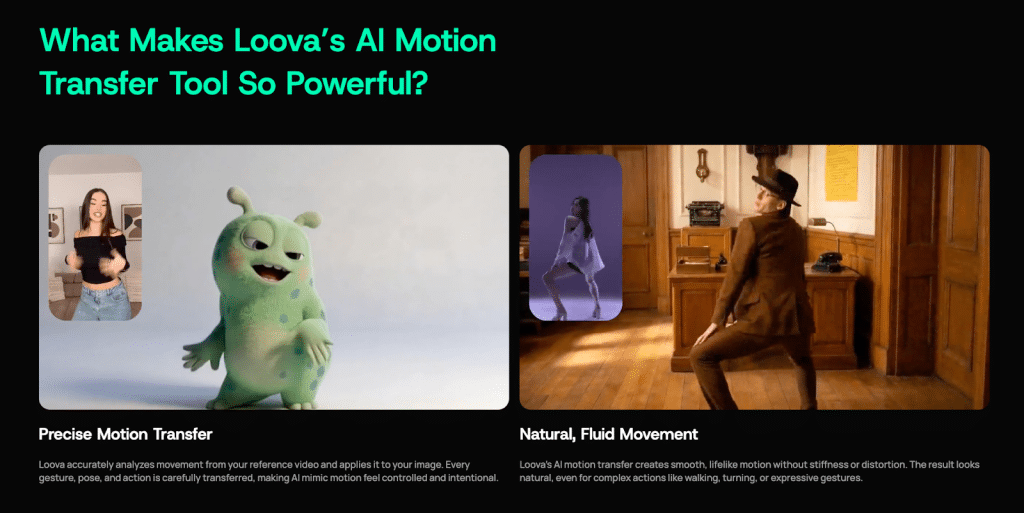
- Character Swap & Mimic Motion: Swap yourself or anyone into vivid, dynamic videos. Or recreate movements from reference videos with impressive accuracy with Loova’s Mimic Motion feature.
- Viral Content Tools: Loova takes it a step further by offering viral content tools like the AI Doll Generator, AI Action Figure Generator, and more, to make your content even more eye-catching.
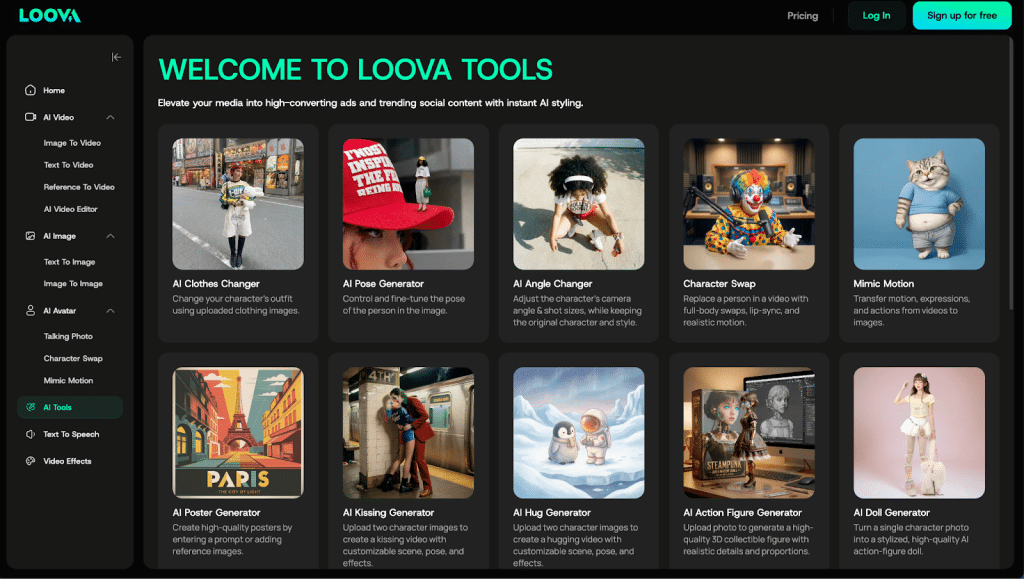
What makes Loova truly unique is its ability to combine all of these features into one intuitive platform. You don’t need separate software for video editing, image generation, or voiceover work. Everything is integrated. The best part? Loova is designed for both beginners and professionals, making it accessible while still powerful enough to meet the needs of advanced users.
Cons:
- Learning Curve for Beginners: While it’s user-friendly, the variety of features can feel overwhelming for someone new to AI tools. It may take a little time to fully understand the depth of what Loova offers.
- Limited in Professional Video Editing: Although Loova is an amazing all-in-one platform, it may not yet compete with industry-standard software like Adobe Premiere Pro in terms of manual video editing features.
Why Loova is the Best Choice:
In 2026, content creation is all about speed, efficiency, and creativity. Loova combines all these elements with its robust suite of AI-powered tools. It’s perfect for creators who want to streamline their workflow without sacrificing quality or creativity.
2. Freepik: The Ultimate Source for Creative Assets
Overview:
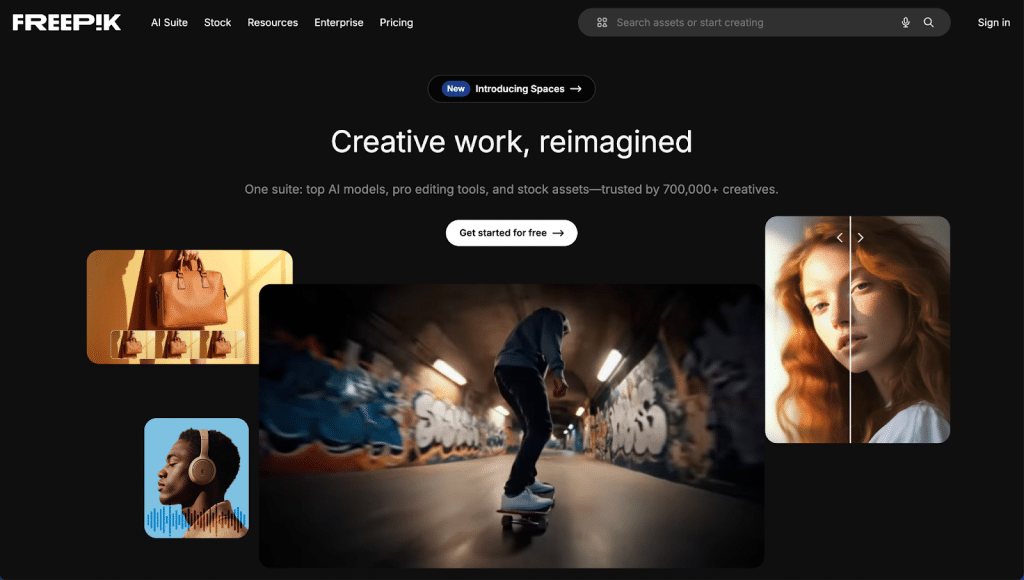
Freepik is one of the most popular platforms for stock images, vectors, and illustrations. It’s an excellent resource for graphic designers, marketers, and content creators who need high-quality assets for their projects.
Pros:
- Freepik boasts a massive library of assets, including vectors, illustrations, and stock photos.
- It’s great for creating everything from presentations to social media posts.
Cons:
- Limited Free Options: If you’re using the free version, expect to deal with restrictions on downloads and the need for attribution on some assets.
- Quality Control: While many assets are top-notch, some free ones can be of lower quality.
- Subscription Costs: If you want access to the premium library, you’ll need a subscription, which might be expensive for small businesses or solo creators.
3. Litmedia: AI for Media and Content Creation
Overview:
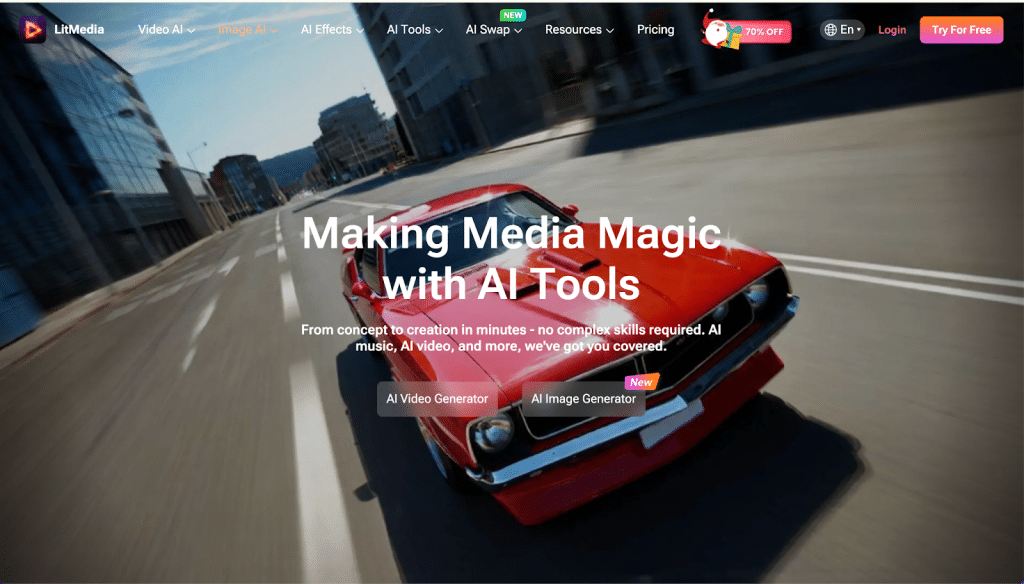
Litmedia leverages AI to automate the media creation process. It’s tailored more for businesses and teams that need to scale content production quickly.
Pros:
- Litmedia excels at automating content creation, allowing businesses to produce large volumes of media in a fraction of the time.
- The AI tools are especially useful for marketing teams and digital agencies that need to churn out constant content.
Cons:
- Niche Audience: Litmedia is best for businesses with heavy content needs, meaning individual creators or smaller teams may find it less useful.
- Limited Customization: The automation can be very efficient, but it might not provide the flexibility some creators need for high-level creative work.
4. Artlist: Music and Sound Effects Made Simple
Overview:
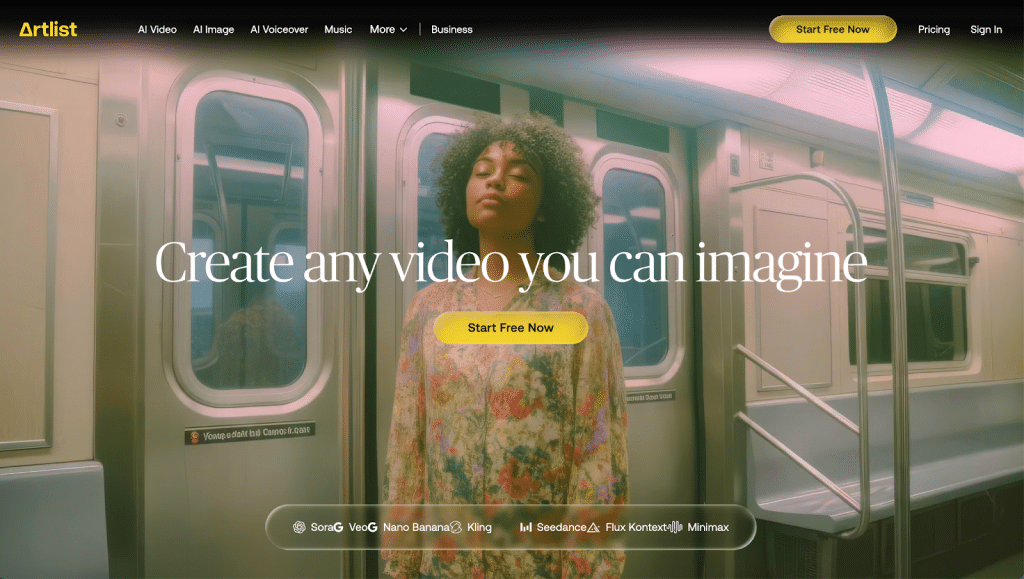
For video creators, having access to high-quality music and sound effects is crucial. Artlist is an excellent platform for royalty-free music, making it a go-to for filmmakers, vloggers, and advertisers.
Pros:
- Artlist offers a massive selection of high-quality music tracks and sound effects that are perfect for videos, ads, and even podcasts.
- The platform’s licensing model is simple and clear, saving creators from legal headaches.
Cons:
- Costly Subscription: While it’s fantastic for professional creators, the subscription might be too expensive for smaller creators or hobbyists.
- Limited Genre Selection: The platform has a wide variety of music, but it’s still somewhat limiting for niche genres or very specific moods.
5. OpenArt: Generating Stunning Artwork with AI
Overview:
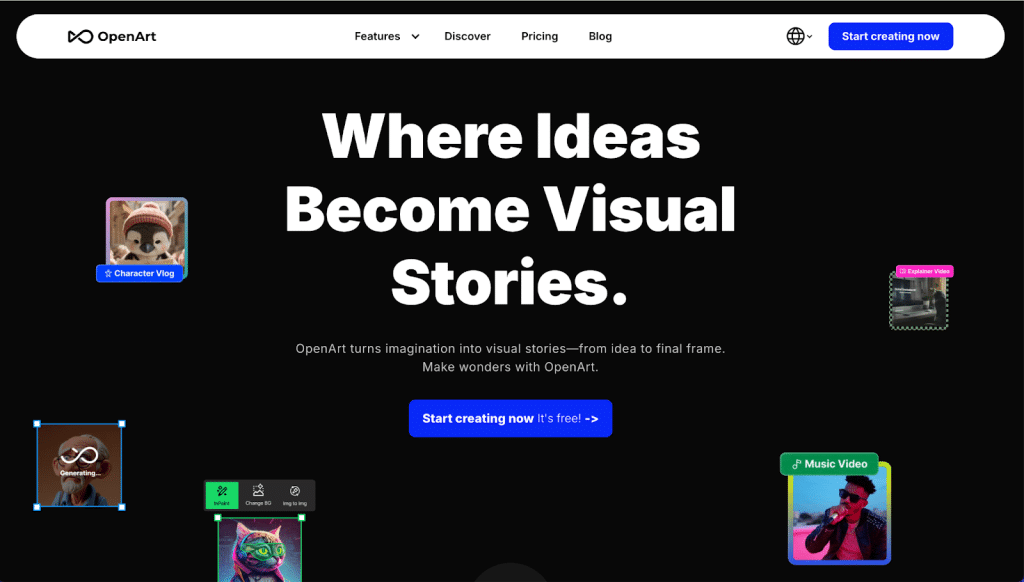
OpenArt is an AI-powered tool that helps creators generate stunning artwork from scratch. Whether you’re designing social media posts, digital art, or marketing materials, OpenArt gives you the freedom to create beautiful pieces with just a few clicks.
Pros:
- OpenArt excels in generating unique and beautiful art quickly.
- It’s a great tool for designers who need fresh, custom visuals without spending hours creating from scratch.
Cons:
- Artistic Quality Variability: The quality of the generated art can vary depending on the input and the complexity of the request.
- Limited Features for Professionals: While it’s great for creating quick art, professional digital artists might find OpenArt too basic for advanced needs.
6. Adobe Firefly: AI for Design and Digital Creation
Overview:
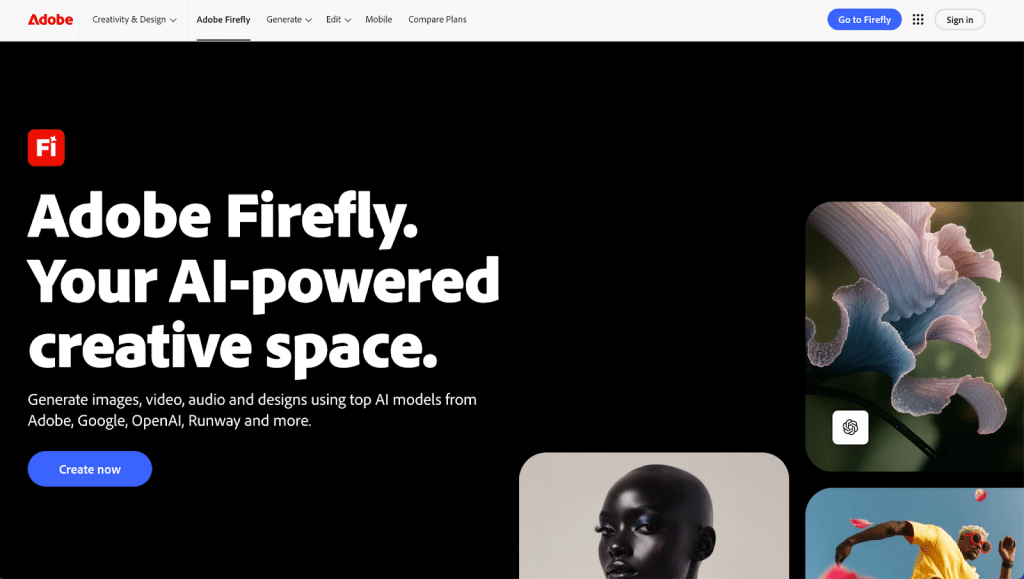
Adobe Firefly brings AI-enhanced creative tools to Adobe’s already powerful ecosystem. It’s ideal for designers and creatives who want to speed up their workflows without sacrificing quality.
Pros:
- Firefly is deeply integrated with other Adobe products, so users who are already familiar with Adobe’s suite of tools will feel right at home.
- The AI tools make tasks like photo manipulation, design, and creative content creation easier and faster.
Cons:
- Subscription-Based: To fully benefit from Adobe Firefly, you’ll need an Adobe Creative Cloud subscription, which can be expensive.
- Not a Standalone Solution: Adobe Firefly is best when used alongside other Adobe products, so it may not be the right fit for someone looking for an independent solution.
7. Weavy: AI Collaboration Tools for Teams
Overview:
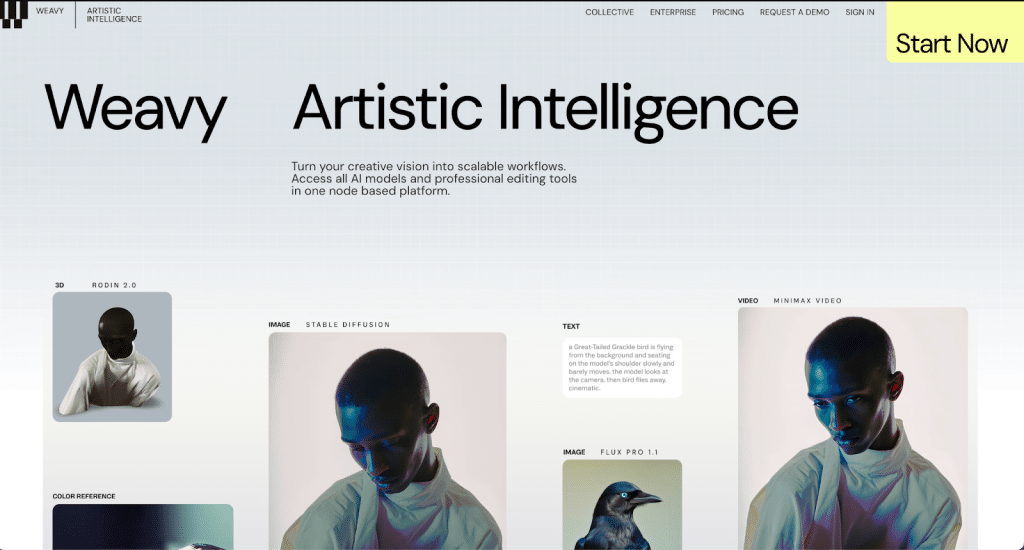
Weavy is an AI-powered platform for professional creators, offering a node-based visual workspace to design and automate complex creative workflows, combining multiple AI models with editing tools for scalable content creation.
Pros:
- High Control Over AI: Weavy’s artistic intelligence and node-based interface give users full control over the AI, ensuring that they can direct the process and fine-tune the results, not just rely on basic prompts.
- Seamless Collaboration: The platform is designed for teamwork, allowing multiple users to collaborate on creative workflows, share nodes, and reproduce workflows, making it ideal for teams working on large-scale projects.
Cons:
- Complexity for Beginners: The node-based system and multi-AI integrations may require a learning curve, making Weavy more suitable for experienced creators or teams rather than casual users.
- Enterprise-Grade Costs: While it’s a great tool for large businesses, the platform may be overkill for smaller teams or individual creators due to its pricing structure and enterprise-focused features.
8. Clipfy: AI Video Editing at Its Best
Overview:
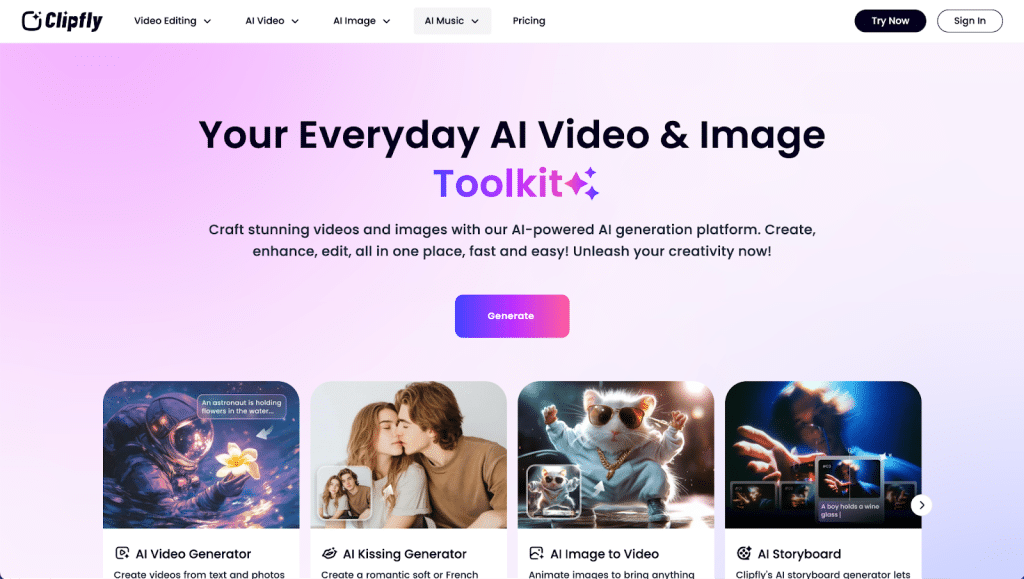
Clipfy is an AI-driven video creation platform aimed at simplifying the video production process for marketers, content creators, and businesses. It uses advanced AI technology to help users generate videos from text, images, or video snippets, saving time and effort.
Pros:
- Speed: Clipfy’s AI technology speeds up the video creation process, allowing creators to produce high-quality content quickly.
- Ease of Use: The platform is intuitive and easy to navigate, making it suitable for both beginners and more experienced video creators.
Versatility: Whether you’re repurposing existing content or starting from scratch, Clipfy offers a variety of tools to meet your needs.
Cons:
- Limited Customization: While fast and efficient, Clipfy’s AI tools may not offer the level of creative control that professional video editors require.
Basic Video Features: For creators working on high-budget or intricate video projects, Clipfy may not have all the advanced editing features offered by professional software like Adobe Premiere or Final Cut Pro.
9. Higgsfield: AI for Business and Content Automation
Overview:
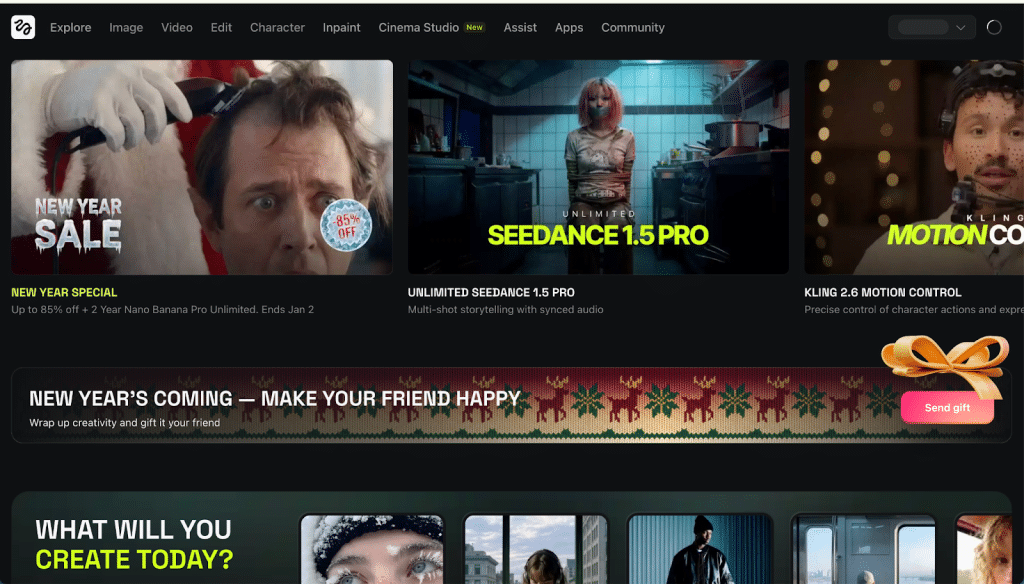
Higgsfield is a cutting-edge AI platform designed for creators, filmmakers, and marketers who want to produce high-quality, cinematic content quickly.
Pros:
- Cinematic Quality: The emphasis on camera direction and motion synthesis ensures that the final product feels polished and professional, making it ideal for filmmakers or high-quality marketing content.
Flexible Content Creation: Whether you prefer to work with text, images, or video, Higgsfield provides multiple inputs for creating videos, giving users a high degree of creative freedom.
Cons:
- Targeted at Professionals: Higgsfield’s advanced tools and focus on cinematic quality may be overwhelming or unnecessary for casual content creators or hobbyists looking for simpler solutions.
- Learning Curve: Due to its robust features and professional capabilities, it may take some time to fully understand and harness the platform’s potential for more complex projects.
- Subscription Costs: Higgsfield’s premium features, tailored to high-end content creation, come at a cost, which may be prohibitive for those on a budget or who don’t require high-level cinematic content on a regular basis.
10. DomoAI: Data-Driven AI for Better Decision Making
Overview:
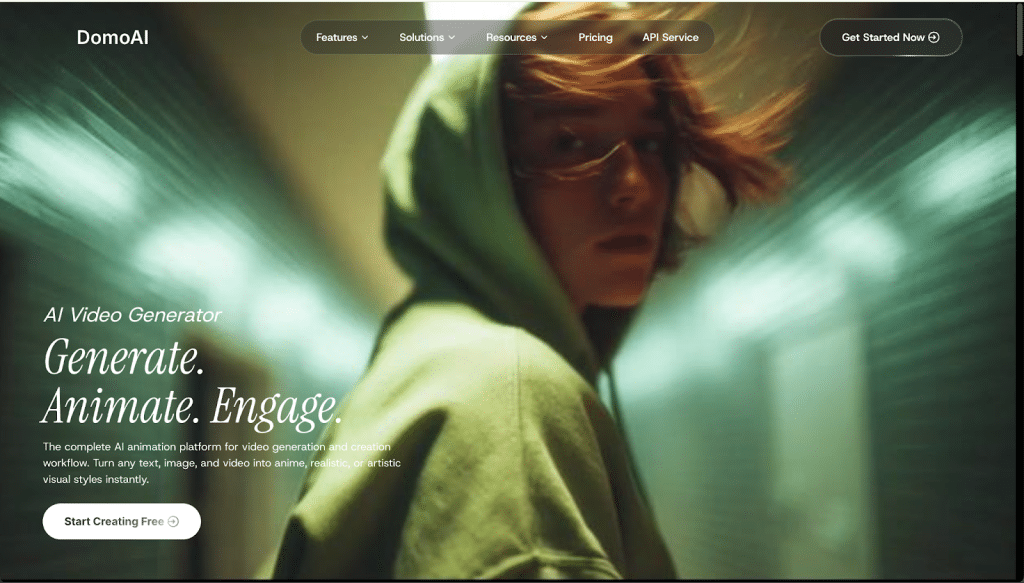
DomoAI is an AI creative studio that converts videos, text, and images into high-quality animation.
Pros:
- Ease of Use: DomoAI is incredibly user-friendly, allowing creators of all skill levels to animate their content without a steep learning curve.
Cons:
- Basic for High-End Animations: While DomoAI is powerful for quick and high-quality animations, it may not yet replace fully customized, hand-drawn animations or more advanced 3D animation software for complex projects.
Conclusion:
In 2026, content creation has never been easier, thanks to the incredible all-in-one platforms out there. From Loova’s all-encompassing AI-powered tools to the streamlined workflows of platforms like Freepik and Artlist, these tools are designed to save you time, boost your creativity, and help you create high-quality content faster than ever before.
If you’re a content creator looking to take your work to the next level, Loova should be at the top of your list. It combines everything you need in one place, from AI video and image generation to editing and viral content tools, all in a user-friendly platform.
But the best platform for you depends on your specific needs. Whether you need stock assets, advanced design tools, or collaboration software, there’s a perfect fit for every creator in 2026.
So, go ahead and explore these tools, find the one that fits your workflow, and let your creativity run wild. Happy creating!
