


A new accessory is redefining what’s possible for a phone case. Dockcase has announced the Selfix, a protective case with a rear selfie preview display and a built-in microSD slot for up to 2TB of additional storage, designed for chagrin-free self-portraits and huge photo and video libraries.
Conceived as a homebrew for the iPhone 17 Pro, Selfix combines two what-if features that smartphone makers consistently ignore: a sensible second screen to complement its main camera and expandable storage.
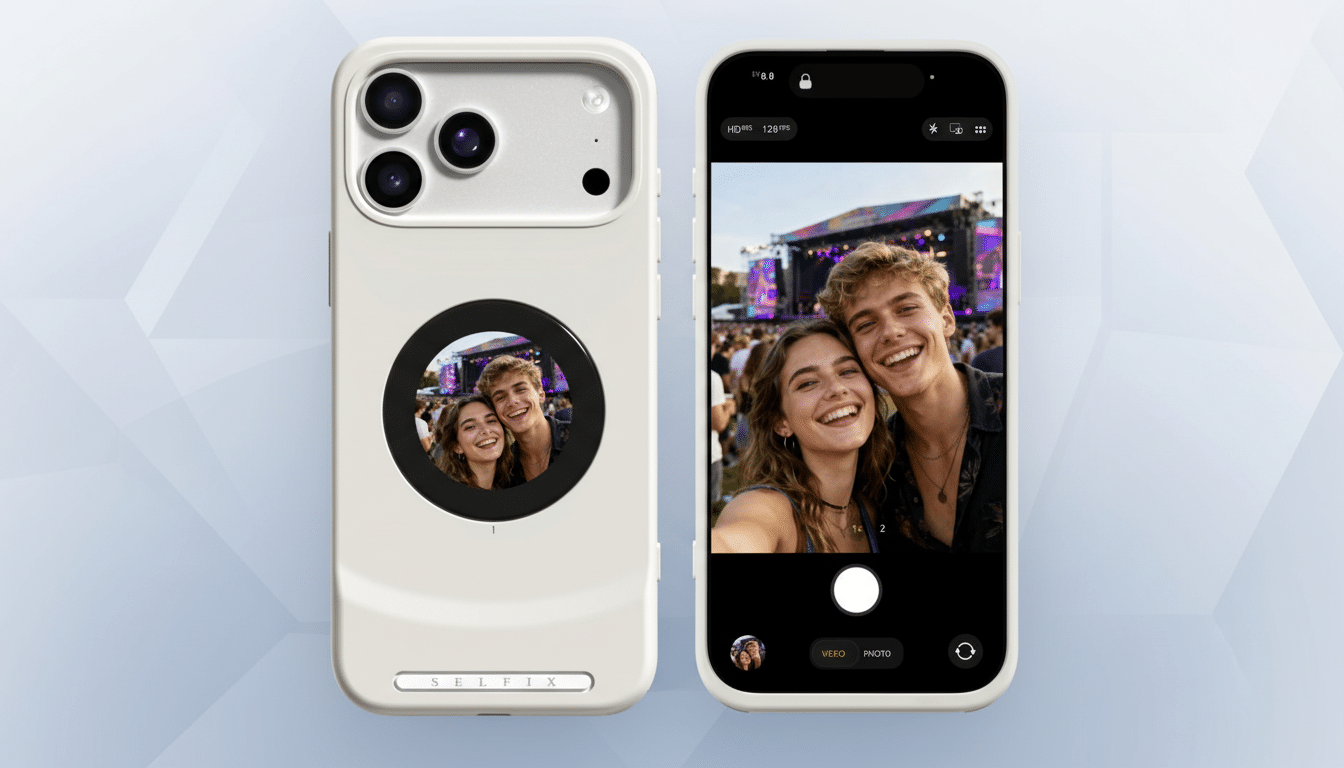
Initial information suggests a snap-on, plug-and-play form factor that only sips power from the phone and doesn’t need an external battery or companion app to run.
A Second Screen Made for Main-Camera Selfies
The rear display is a 1.60-inch, touch-panel AMOLED with a resolution of 480 x 480 — plenty of density for accurate shot framing and fast composition review.
This screen is basically a live camera preview so you can use the phone’s main camera array as your selfie or vlogging cam, getting all that sharpness, dynamic range, and low-light performance front-facing cameras struggle to match.
The value is clear, technically. Main sensors are usually two to four times the size of their selfie siblings, and they come with brighter lenses attached and more advanced stabilization. Independent testing labs like DXOMARK have long documented that there’s a big chasm between rear- and front-mounted cameras when it comes to the discordant worlds of noise control and detail retention. A rear preview enables you to shoot without guessing with the main camera.
The company claims the display draws power from your phone. Exact draw isn’t published, but such small AMOLEDs will typically use not much more than a watt at medium brightness — probably an annoyance when it comes to battery life during lengthier play or videography sessions, but nothing that should impact a decent photo walk.
Removable microSD storage returns with 2TB support
Also of interest is the microSDXC slot that resides within its body, which means it can support up to 2TB, the highest amount a card manufacturer has been able to produce under current SD Association specs. For creators, it’s a big unlock. High-bitrate formats like Apple’s ProRes video chew through internal storage quickly — ProRes video can take up several gigabytes per minute, while 4K60 HEVC and multi-exposure HDR photos also add up fast.
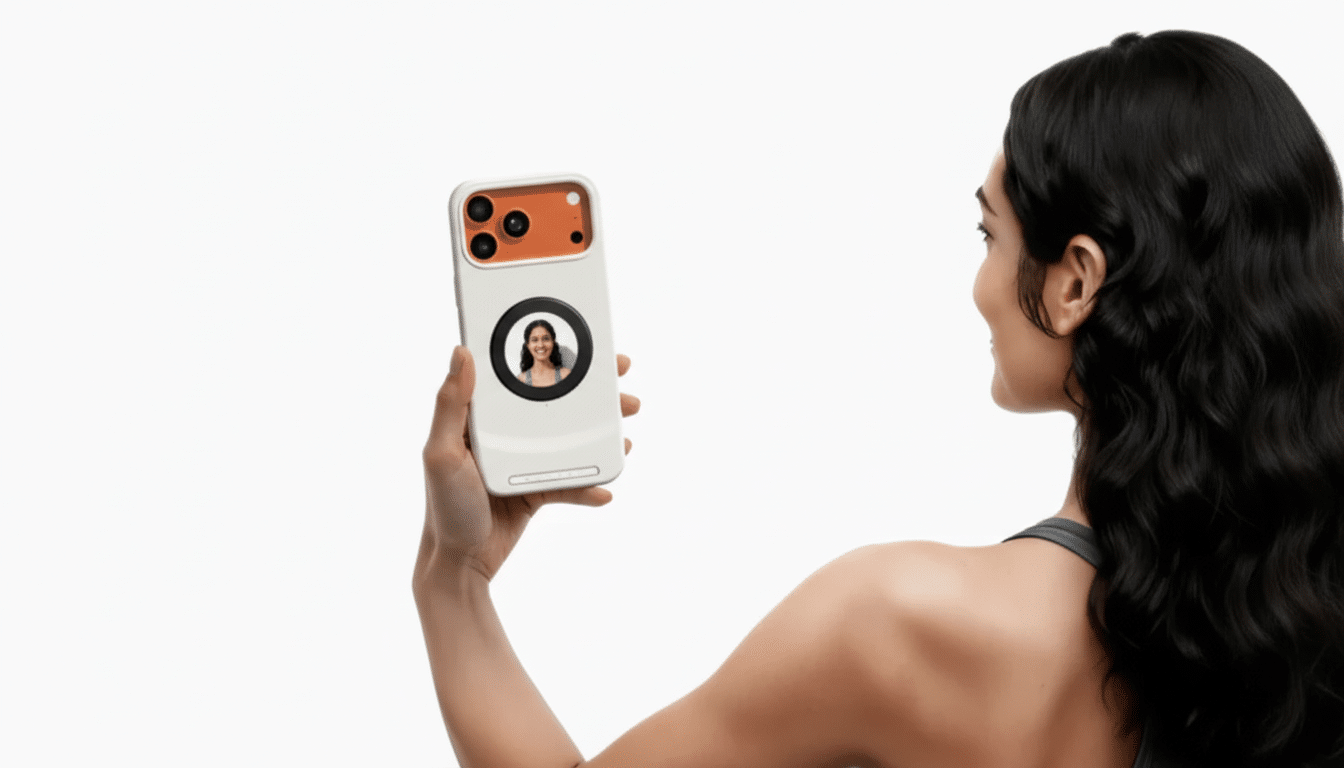
Bouncing archives, raw files, or long-form footage from one’s device into removable media could effectively make a phone somewhat more of a flexible field camera, if the “selfie” owns what might be called its “owner-documentary” tool. That’s a rarity in the iPhone ecosystem, and one that could appeal to pros who already use microSD as a workflow standard across drones, action cams, and mirrorless cameras.
Why This Accessory Approach Makes Practical Sense
Secondary screens on phones are not a new thing, but they have been baked into the phone rather than added to the case. LG’s V10 and V20 had a small “ticker” screen; Meizu’s Pro 7 line and Nubia’s dual-display phones slapped full-size panels onto the back; Xiaomi’s Mi 11 Ultra threw in a tiny rear AMOLED for camera previews and notifications. The Selfix borrows the best bit of those ideas — improved composition with the main cameras — but it doesn’t pen buyers into a niche phone.
As an add-on, it seems that the solution would possibly scale across models and platforms. The Selfix was designed with the iPhone in mind, but there’s nothing iPhone-specific about a concept like this. If there is demand, count on some Android versions — the Android accessory space has proven to be a rich source of hardware add-ons meant to augment camera functionality.
Design details and trade-offs for the Selfix case
Early images show a slim back panel with the circular screen placed close to the camera module for easy framing. The case supposedly needs only your phone’s power to make it run, and there are no cables or external batteries necessary. Naturally, an always-on display does impact endurance, but for an on-demand use case — framing a portrait or recording a clip — it’s worth it for sharper output from the main sensor.
The Selfix is available in Oat White, Blush Pink, and Midnight Black. Materials and drop protection ratings are not mentioned, but the additional electronics would seemingly indicate a focus on functionality over ruggedization. The headline features mostly depend on whether you’re a creator: a reliable preview and removable storage that you can slot straight into your laptop or card reader.
Pricing and Availability Are Still a Mystery
Dockcase has not announced pricing or a release window. The company’s idea has attracted interest — and some skepticism — from mobile photographers and videographers. Crowdfunded attempts to bolt second screens onto phones have surfaced before and sputtered at scale, a reminder that execution can matter as much or more than novelty.
With solid build quality and reliable firmware, if the Selfix makes it to store shelves, it could help carve out a real niche — particularly among users who need pro-grade selfies and like having removable storage. It’s a novel accessory that solves two pain points common to most smartphones at the same time, and if brought to more devices, could help dictate how case makers think about utility beyond protection.
