


Samsung’s next wave of tablets and smartwatches has surfaced in the GSMA IMEI database, a strong early signal that new Galaxy hardware is getting closer. The listings name-check two Galaxy Tab S12 variants and two Galaxy Watch models, including a follow-up to the company’s most premium wearable.
Spotted by researchers who track certification pipelines, the records identify the Galaxy Tab S12 Plus 5G, Galaxy Tab S12 Ultra 5G, Galaxy Watch 9, and a Galaxy Watch Ultra 2. While IMEI entries do not reveal full specifications, they reliably lock in product names, families, and model numbers—useful breadcrumbs ahead of broader regulatory filings and marketing teasers.
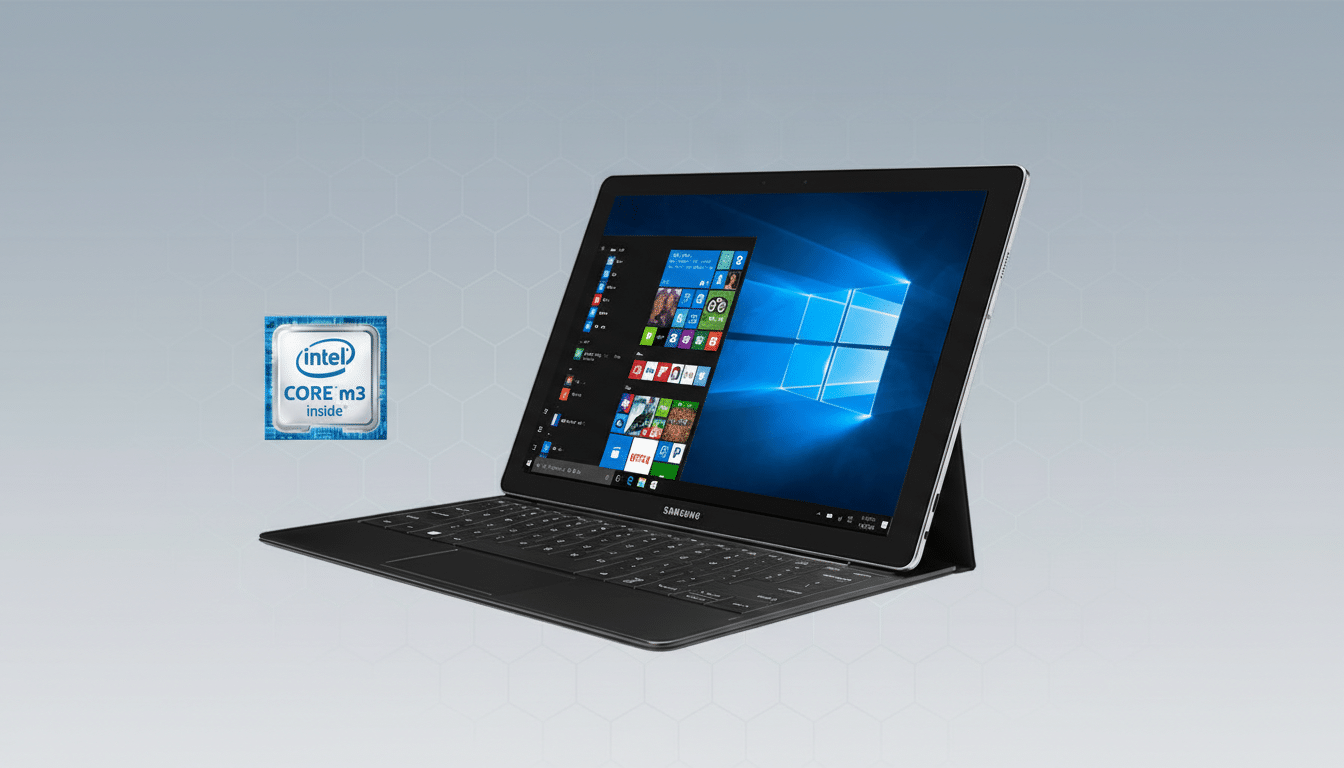
What the latest IMEI listings reveal about new devices
The database shows two high-end tablets: Galaxy Tab S12 Plus 5G (model SM-X846B) and Galaxy Tab S12 Ultra 5G (SM-X946B). Notably absent is a standard Tab S12 entry, hinting that Samsung’s early certification cadence is focused on the premium tiers first. The “B” suffix typically denotes international variants in Samsung’s catalog, and the 5G tag confirms integrated cellular models.
On the wearables side, the Galaxy Watch 9 appears with model SM-L345U, and the next rugged flagship arrives as Galaxy Watch Ultra 2 with SM-L716U. The “U” suffix historically points to U.S.-bound variants. The important nuance here is naming: Samsung’s first Ultra-branded watch didn’t carry a numeral, so the “Ultra 2” badge signals a clean generational step and a maturing sub-brand.
IMEI listings alone don’t confirm specs, but they do align with Samsung’s internal code patterns—SM-X8xx for Plus-class tablets, SM-X9xx for Ultra, and SM-L3xx/L7xx for the latest Wear OS devices. That consistency adds confidence that these are final product identities rather than placeholder codenames.
Why the model numbers matter for Samsung releases
Samsung’s tablet flagships have coalesced around clear tiers. The Plus and Ultra models typically bring AMOLED displays with high refresh rates, S Pen support, and productivity-leaning accessories. For context, the preceding Ultra generation offered a massive 14.6-inch panel and one of the largest batteries in a consumer tablet, while the Plus sat at roughly 12.4 inches—an effective split for pro users versus commuters and students.
The lack of a baseline S12 entry in these early listings may suggest a staggered roadmap, where premium models certify first and mainstream variants follow. Samsung has taken that path before, prioritizing markets and channels that demand cellular-ready, high-margin SKUs.
For wearables, the Ultra label is designed to compete directly with top rugged and endurance-focused watches. The move to a numbered Ultra 2 implies a cadence of year-over-year refinements—think materials like titanium, elevated durability standards, bigger batteries, and expanded fitness and safety features. Samsung’s BioActive sensor suite and One UI Watch have steadily improved, and a second-gen Ultra suggests the company is confident in scaling the formula.
Release timing and market context for Samsung’s plans
Historically, Samsung devices hit the GSMA IMEI database several months before retail availability. Past cycles for Galaxy tablets and watches show a lag that often falls in the 6–7 month range between IMEI sightings and shelves, with intermediate appearances at Bluetooth SIG, FCC, and regional safety agencies as the next milestones.
The timing matters in a competitive landscape. IDC’s recent tablet trackers place Samsung solidly in second place globally with around a 20% share, supported by strong demand in education and enterprise. In smartwatches, Counterpoint Research consistently ranks Samsung as the number-two brand worldwide, with a share in the mid-teens, buoyed by deeper Android integration and aggressive bundling. A clearer, tiered lineup—especially with a numbered Ultra—helps sharpen the proposition against category leaders.
Pricing and positioning will be pivotal. The Ultra watch segment is a premium battleground where battery endurance, durability ratings, and navigation features move the needle. On tablets, Samsung has leaned into OLED, thin-and-light designs, and ecosystem ties like Multi Control and Second Screen to justify premium tiers. Expect the Plus and Ultra to continue playing to those strengths.
What to watch next as certifications start to stack
Keep an eye out for Bluetooth SIG and FCC filings, which often surface details like battery capacities, wireless standards, and regional variants. Firmware build tags appearing on testing servers are another telltale sign that launch is nearing. For the Watch Ultra 2, look for clues around case materials, GPS and dual-frequency support, and expanded safety tools. For the Tab S12 series, watch for display sizes, pen latency improvements, and whether Samsung standardizes OLED across the premium tiers.
For now, the IMEI listings lock in the essentials: Galaxy Tab S12 Plus 5G, Galaxy Tab S12 Ultra 5G, Galaxy Watch 9, and Galaxy Watch Ultra 2 are on deck. As the certifications stack up, the picture will sharpen—setting the stage for Samsung’s next round of high-end tablets and wearables to challenge the top of both markets.
