


Samsung is quietly reviving Bixby, experimenting with an assistant that answers in real time and understands context better through its use of Perplexity AI. Early indicators within the One UI 8.5 beta show that the company may be setting Bixby up to compete against Google’s Gemini on Galaxy phones, not by taking away Gemini, but by making Bixby the premier tool for on-device control complemented with smarter, web-informed answers.
What’s changing in One UI 8.5 and how Bixby is evolving
Testers say some Bixby responses now come with the note that they are “powered by Perplexity,” suggesting a back-end handoff for queries that require up-to-date information. A shared screenshot from a community tester over on X demonstrates Bixby providing weather-aware advice — just a small nuance, but another example of an assistant that combines its real-time resources with practical counsel rather than canned, cookie-cutter responses.

The move is in line with a wider industry trend. Apple has already begun directing more complex Siri requests to ChatGPT when needed, and Google is sending many of its Assistant queries through Gemini. Samsung’s decision would let Bixby maintain its closely intertwined system integration while off-loading heavy research duties to a specialist.
Why Perplexity integration matters for Bixby on Galaxy
Perplexity characterizes itself as an “answer engine” that looks up information in real time around the web, reconciles findings, and usually provides citations.
In practice, this means Bixby can now answer questions like “What is the best route to avoid traffic around the stadium right now?” or “Summarize the top stories in AI chip shortage news today,” and give me 140-character stories that are backed by sources rather than just generic summaries.
Samsung has tested Perplexity outside of phones, baking it into Bixby on certain smart appliances with screens. For mobile, Galaxy users across the US were given an exclusive 12-month Perplexity perk as part of the company’s continuing partnership, although use was limited to the standalone app until now. Adding that functionality to Bixby helps move the ceiling upward for some of the voice-based answers while avoiding making users switch apps in the middle of a task.
How Bixby stacks up to Google’s Gemini on Galaxy phones
Gemini is already powerful with both general knowledge and multimodal reasoning, and Google has been rapidly shipping it to Android. Bixby’s counterpunch is control. It has deep hooks into One UI, allowing users to control system settings, initiate modes, run Bixby Routines, and engage with Samsung apps by voice — functions that cloud AI is not always able to execute accurately on its own.
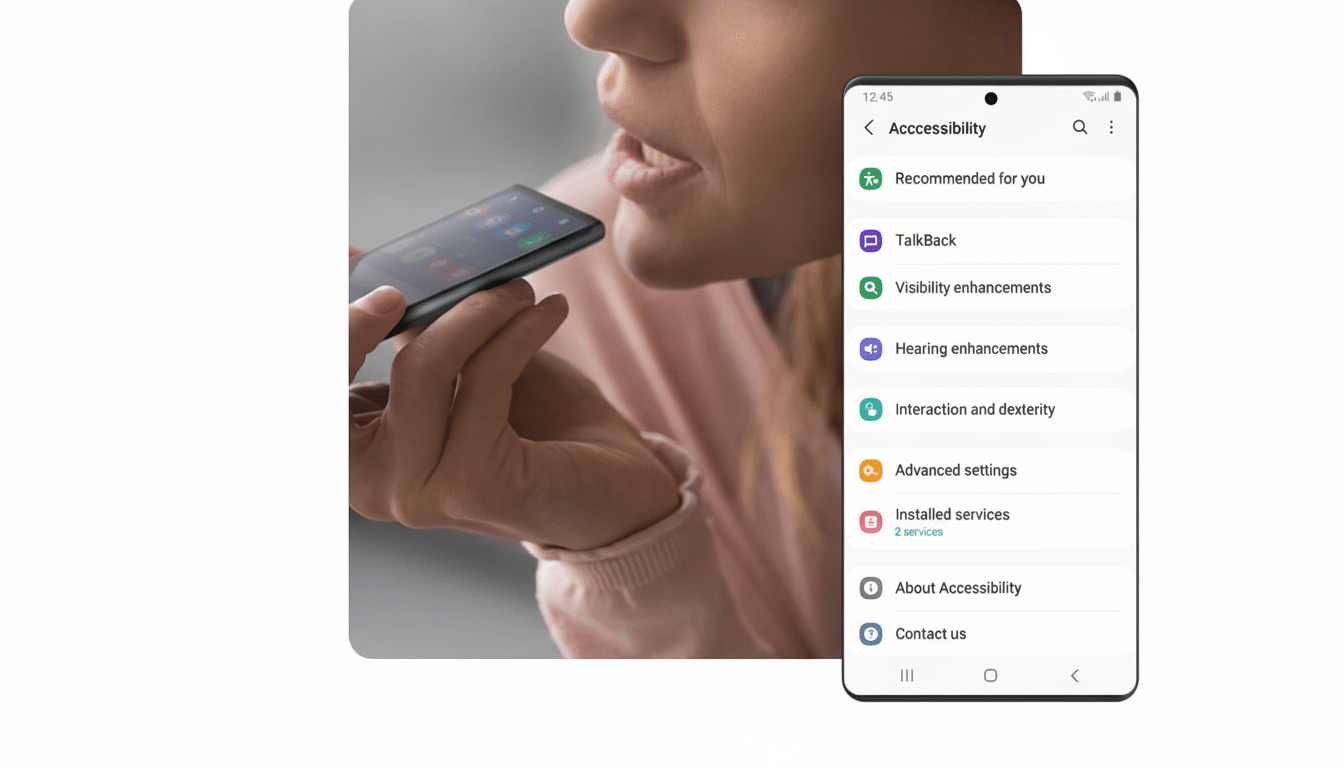
Or, in non-mile-high terms, a Bixby 2.0 could eventually take hybrid commands that combine live data with what you are trying to do on device. Think: “If it’s going to rain before 6 p.m., text my partner I’ll be running behind and turn on Power Saving mode” or “Plan a 30-minute outdoor run based on air quality near me and start a workout.” Perplexity’s web intelligence connects the dots; Bixby performs the taps you would have performed with your own two hands.
Perhaps most importantly, One UI continues to allow users to select their assistant of choice — whether it’s Gemini, Alexa, or another — and also has Bixby on tap through a voice command (or side key). Having that choice means Samsung doesn’t have to win an all-or-nothing war; it just needs to be the best at Galaxy-specific tasks when it isn’t being agnostic.
Privacy and performance considerations for cloud-assisted Bixby
And because the new Bixby feature needs to access live on-device material, certain queries will route through the cloud. Samsung has stressed on-device processing for much of the Galaxy’s AI feature set and will need to make it very apparent which Bixby tasks we’re able to handle locally, and which are powered by Perplexity’s cloud-based lookup. Anticipate a blend: sensitive device control that remains on-device, research-driven requests that are handed off for speed and relevance.
What to watch next as Samsung prepares wider Bixby rollout
The One UI 8.5 beta is the trial, and more operations may be included as Samsung tunes responses and assesses reliability at scale. The company has not linked the launch to any particular flagship, but a wider release alongside the next line of Galaxy devices would be in keeping with its history over the past few years for starting to ship AI improvements at around the same time as new hardware.
For Galaxy owners, the upshot is clear: Bixby is no longer staying put. With Perplexity in the mix, it’s moving from being a voice remote to more of a conversational assistant, one that can not just find the right information but act on it. In a year when assistants are being reinvented left and right across the industry, Samsung’s mix of system control and smarter search might just make Bixby surprisingly competitive once more.
