


Samsung is repurposing its Galaxy Watch and upcoming Galaxy Ring as early health alert systems, signaling a move from mere step counts and heart rate charts into proactive risk warnings. Its wearables, the company says, will parse such quotidian signals as speech patterns, movement, sleep and interactions with other connected devices to flag those that signal an emerging pattern associated with cognitive decline, including early symptoms of dementia. They will be introduced first in beta (they are in a testing phase, having not been fully released) in limited markets, and the features are intended to get people to see a doctor at an appropriate time, not to diagnose.
How Samsung Aims to Spot Early Cognitive Decline
The product relies on multi-sensor “digital biomarkers” woven together through its on-device and cross-device AI. Through an accelerometer and a gyroscope, the Galaxy Watch may also collect walking speed, stride variability, tremor and differences in daily patterns of activity. Voice interactions on Bixby represent an additional signal, as changes in patterns—for example, slurred speech, pace changes and odd pauses—could also be picked up over time. Even slight changes in how a person uses other affiliated products, like taking longer to respond when controlling lights or TVs, might lend some context.
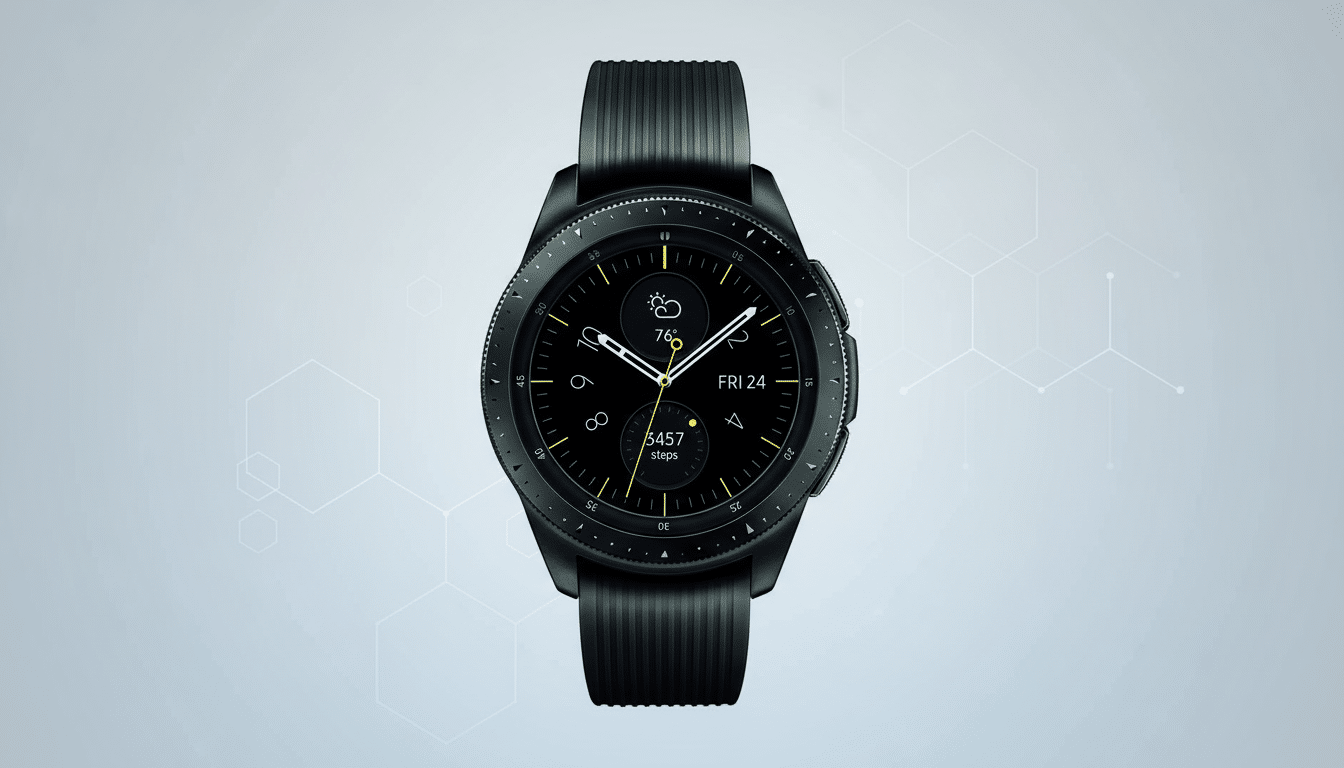
Importantly, the models compare individuals against their own historical baselines, not to one-size-fits-all norms. That personalization is important; a “slow” walking speed for one person may be perfectly normal for another, while a sudden decrease from an established baseline is far more meaningful. If abnormalities persist across modalities, the system could deliver a gentle nudge, a shareable summary for family caregivers or a suggestion of when to chat with someone on the care team.
Why Early Health Warnings from Wearables Matter
Dementia now affects approximately 55 million people globally, the World Health Organization estimates, with numbers projected to soar in the coming decades. The Lancet Commission has found that preventive action on modifiable risk factors might prevent or delay up to 40% of dementia cases—a reminder that earlier recognition can create a window for intervention, planning and consideration of treatable contributors including medication effects, thyroid disease, depression or sleep apnea.
It’s often not until months after the onset of a subtle change that families will realize something is “off.” The use of passive, continuous monitoring from devices already on the wrist or finger might enable earlier and more objective detection of such shifts. Even a nudge that “your patterns have changed, pay attention to your batteries” can be the difference between waiting and doing something.
AI Coaching That Responds to Early Risk Red Flags
Samsung also hopes for its AI to transform routine readings into personalized coaching. Sleep guidance might combine watch data with phone usage to recommend a personal wind-down time, while exercise tips could respond to VO2 max or your heart rate variability and recovery signals rather than an arbitrary step goal. The company has teased out prevention-focused insights that can lower risks associated with large chronic diseases by tapping patterns across phones, wearables and even home devices.
It is the closed loop they are after: sensing variations, advising in plain language and measuring outcomes. Over time, that could transform the devices from dashboards to companions who discreetly course-correct behavior before a problem arises.
Privacy, accuracy and regulation for wellness features
For its part, Samsung positions these capabilities as wellness features, not medical diagnoses—and that’s a substantial regulatory difference. Any diagnostic claims would be subject to clearance under such frameworks as the FDA’s software as a medical device rules or Europe’s medical device regulations. Look for opt-in controls, clearly worded consent prompts and ways to share data with trusted caregivers or health professionals. The ability to process on-device, when it makes sense, can keep cloud exposure to a minimum and ensure speed.
Accuracy will be scrutinized. There’s an inherent trade-off here with sensitivity and specificity that will need a good balance—or be prepared to deal with false alarms—which could do more harm than good in terms of causing lots of people fear and panic or alert fatigue. Personalization, multi-sensor fusing and trend analysis over weeks mitigate it. Another real-world constraint is battery life; always-on analysis needs to be low power if it’s to have a practical use.
Competitive context and evidence from wearables
This is not merely a matter of speculation. Consumer health-oriented devices have demonstrated clinical promise when properly validated. The irregular pulse notifications of the Apple Watch had a positive predictive value of 84 percent for atrial fibrillation in subsequent clinical testing, according to the Apple Heart Study at Stanford Medicine, a sign that wrist-worn alerts can be actionable. Fitbit’s and Withings’s health features have enjoyed certain regulatory clearances as well, highlighting a maturing ecosystem.
In the case of dementia risk, research groups funded by organizations such as the Alzheimer’s Association have even looked to voice and gait as digital biomarkers for mild cognitive impairment. Samsung’s potential differentiator is breadth—not just by combining watch and ring data but also contextual insights from phones as well as SmartThings-enabled devices, in the hope of surfacing earlier, stronger signals than any single gadget on its own.
What to watch next as Samsung rolls out beta features
There are still some critical elements that remain to be disclosed: which generations of Galaxy Watch or the upcoming Galaxy Ring will support the beta, how Samsung is planning on delivering alerts so as not to create undue alarm and what export options may exist for a physician. Partnerships with health systems, universities and insurers could speed validation and uptake, and independent studies will be needed to determine real-world performance.
If Samsung can thread the privacy, accuracy and utility needle, its wearables may also shift from not merely trackers to early-warning radars that quietly get you on exactly the right signal exactly when you need it and nudge you to move long before a slight change morphs into something big.
