


I’ve been a steadfast Pixel user for years, largely because Google’s phones keep nailing the daily details: brilliant call screening, clean software, and dependable cameras. But the latest Samsung Galaxy S26 leaks are doing something I didn’t expect — they’re making me consider jumping ship. Not every rumor will land, of course, yet the pattern across tipsters and industry reports suggests Samsung is zeroing in on precisely the pain points that have kept me glued to Pixel.
Why These Rumors Hit Different for Pixel Fans
Pixel’s edge has long been smart utilities and trustworthy AI features, while Galaxy phones traditionally counter with hardware ambition, vibrant displays, and deep accessory ecosystems. The S26 chatter suggests Samsung might finally bridge the gap: fewer compromises on battery and charging, glass that fixes real usability problems, and AI features that overlap with Pixel’s biggest everyday advantage. If even two of those prove true, the calculus changes.
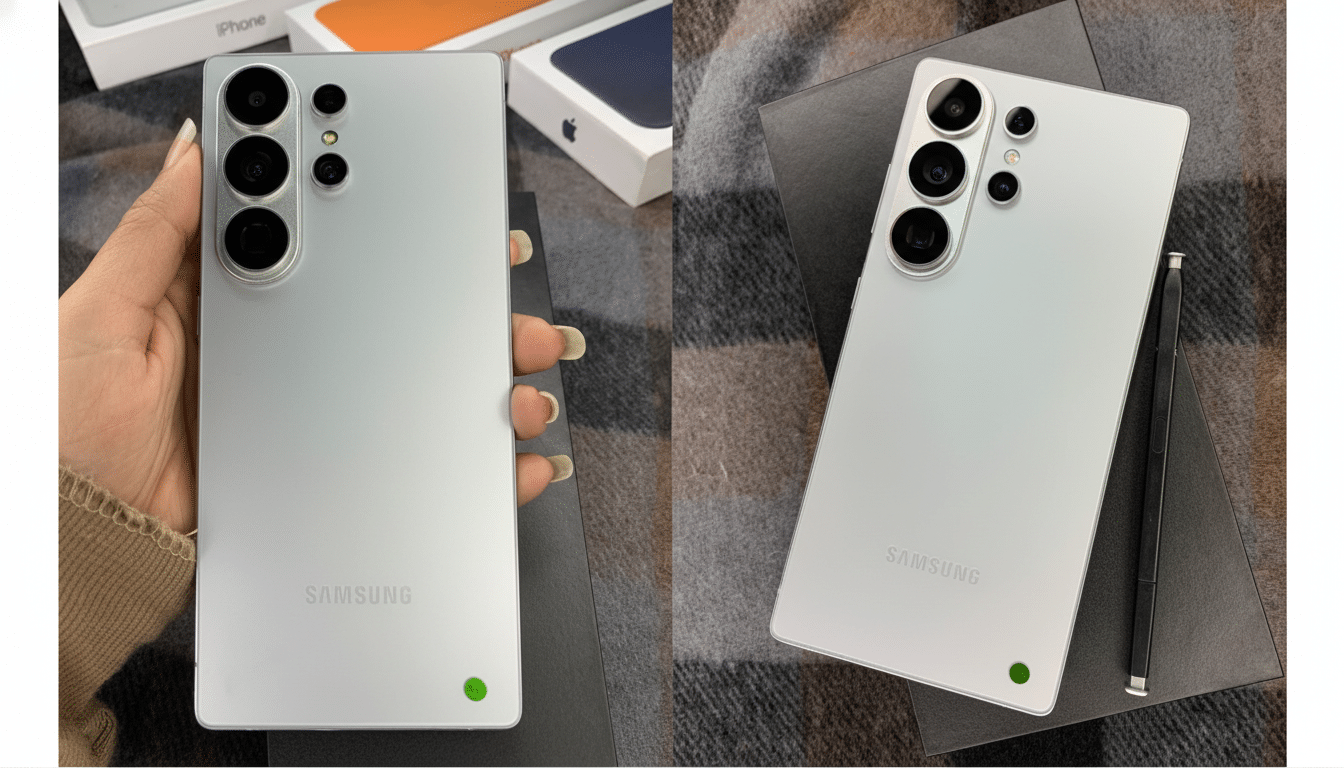
A New Glass Story That Actually Matters for Daily Use
One persistent thread points to a next-gen Gorilla Glass with an anti-reflective coating, non-polarized light handling, and even baked-in privacy tech. If that sounds familiar, it’s because Corning’s recent cover glass advances (seen on earlier Galaxy flagships) already cut reflections dramatically — Corning has touted large reflectance reductions on recent panels — and the S26 is rumored to push that further. The practical upside is big: fewer glare issues in midday sun, clearer shots through sunglasses, and less eye strain indoors.
Privacy filtering would also be more than a gimmick. If Samsung integrates a subtle, hardware-level privacy layer, shoulder-surfing on trains becomes harder without the harsh dimming that software filters cause. For anyone who reads email or reviews docs in public, that’s a quiet but meaningful upgrade. Multiple leakers, including longtime Samsung watcher Ice Universe, have hinted at a significant glass step, and it aligns with Corning’s trajectory.
Battery Life And Charging Could Be The Tipping Point
The most tempting leak for me is battery. Reports point to a stacked-cell design and a capacity that could hit around 5,500mAh on the Ultra — a notable jump for a mainstream flagship. Stacked cells aren’t sci-fi; Korean outlet The Elec has tracked Samsung SDI’s work in this area for mobile, which can improve energy density and heat characteristics compared with traditional designs. Pair that with whispers of faster charging — figures like 0% to 75% in 30 minutes keep surfacing — and the S26 would finally address Samsung’s conservative approach to speed without sacrificing safety.
In real terms, that’s the difference between scrambling for a midday top-up and comfortably gliding to evening. It’s also critical for travel days and camera-heavy weekends, where Pixels sometimes lean on software efficiency to hide hardware limits. If Samsung combines a larger pack with smarter thermal management, that’s an instant quality-of-life win.
Silicon And AI Features Narrow The Pixel Gap
On the processor front, the S26 family is widely tipped to adopt Qualcomm’s next flagship chip — variously rumored as Snapdragon 8 Elite Gen 5 — at least for the Ultra and possibly across the lineup, depending on region. Regardless of the final branding, the expectation is clear: stronger efficiency, better sustained graphics, and improved on-device AI. That last point matters, because many of Samsung’s most helpful features now run locally, reducing latency and preserving privacy.
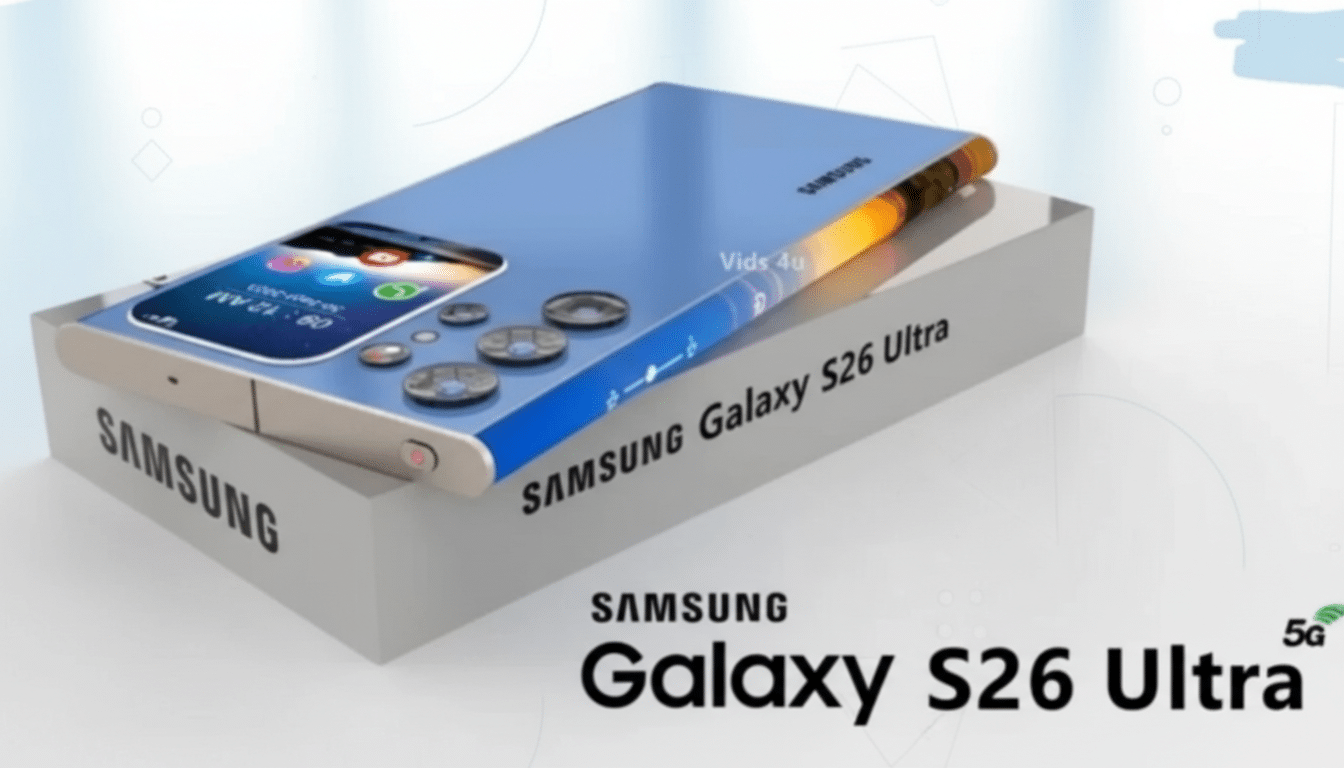
Then there’s call protection. Pixel has owned this category with its AI-driven call screening, and it’s a genuine daily lifesaver. Multiple reports from Android-focused outlets suggest Samsung is prepping similar on-device scam detection and screening cues. The details are still fuzzy — whether it’s a One UI feature or part of broader Android enhancements — but the direction would blunt one of Pixel’s most practical exclusives. The FCC has consistently cited robocalls and unwanted calls as top consumer complaints; if Samsung tackles this at Pixel-level quality, it’s a huge box checked.
Longevity And Ecosystem Confidence For Switchers
Long-term support used to be a Pixel selling point. Now, Samsung has committed lengthy OS and security support windows on its recent flagships, and it would be surprising if the S26 scaled back. That parity matters to anyone who keeps a phone for four to six years. Add the Galaxy ecosystem — watches with strong health tracking, tablets with DeX, and earbuds with reliable multipoint — and the switching friction from Pixel gets lower by the year.
Release Timing And What To Watch Before Buying
Tipsters point to an Unpacked event in late February with sales shortly after, likely mid-March.
The tells to watch:
- Final battery capacity
- Charging wattage and thermals
- Branding and specs of the new glass
- Chipset distribution by region
- Whether call screening lands as a first-party Samsung feature at launch
Pricing will matter, but strong trade-in programs have been a Samsung staple, often undercutting sticker shock.
As a longtime Pixel user, I’ve never been closer to trying a Galaxy on day one. If these S26 rumors convert into real-world gains — brighter outdoor readability, bigger battery with faster, cooler charging, and Pixel-grade call protection — the excuses to stay put start to run out.
