


Samsung is retiring support for its earliest Galaxy Fit bands as the Galaxy Wearable app rolls out a new update aligned with One UI 8.5. The latest build removes compatibility for the original Galaxy Fit and the budget-focused Galaxy Fit e, effectively ending official app pairing and management for the two 2019 fitness trackers.
What Changed In The Galaxy Wearable Update
Release notes posted to Samsung’s community forums and flagged by industry watchers confirm Galaxy Wearable version 2.2.68.26010761 introduces a refreshed One UI 8.5 look and feel. The update also enhances Smart Switch security and, notably, adds device profiles for the upcoming Galaxy Buds 4 and Galaxy Buds 4 Pro, signaling imminent audio launches while housekeeping legacy wearables out of the roster.
In practice, the visual overhaul brings consistency to icons, typography, and menus across Samsung’s broader One UI 8.5 ecosystem. But the biggest functional shift for long-time users is the outright removal of Galaxy Fit and Galaxy Fit e support, meaning you will no longer be able to set up, manage, or sync these trackers through the app once updated.
Why The Galaxy Fit And Fit e Are Being Dropped
Both bands launched in 2019 as entry-level fitness companions: the Galaxy Fit offered a color display and more robust tracking, while the Galaxy Fit e targeted essential features at a lower cost. They were succeeded by newer models like the Galaxy Fit 2 and, more recently, the Galaxy Fit 3, which pushed battery life, display size, and workout detection ahead by several generations.
Sunsetting older hardware support is a pattern across the wearables industry. Market trackers at IDC and Counterpoint Research have documented multi-year declines in basic wristbands as consumers migrate to richer smartwatches and hearables. With bands occupying a shrinking slice of shipments and component lifecycles stretching thin, vendors increasingly concentrate engineering resources on current devices and services rather than maintaining aging stacks.
Samsung’s move also tracks with broader platform consolidation. As apps and services incorporate newer security models and APIs, preserving compatibility with legacy Bluetooth stacks and low-power firmware can become a disproportionate maintenance burden, especially for devices long out of retail circulation.
What Owners Should Do Now After Galaxy Fit Support Ends
If you rely on a Galaxy Fit or Galaxy Fit e, the simplest short-term option is to avoid updating the Galaxy Wearable app. Staying on the current version should preserve pairing and basic sync for now. That said, holding back app updates carries obvious trade-offs, including missed security fixes and potential breakage as companion services evolve.
It’s not yet clear how this change will affect historical data within Samsung Health once the app is updated, but it’s prudent to safeguard your records. Consider requesting a data export through your Samsung account privacy settings or backing up Samsung Health to ensure your activity history remains accessible even if device syncing ceases.
Recommended Upgrade Paths For Galaxy Fit Owners
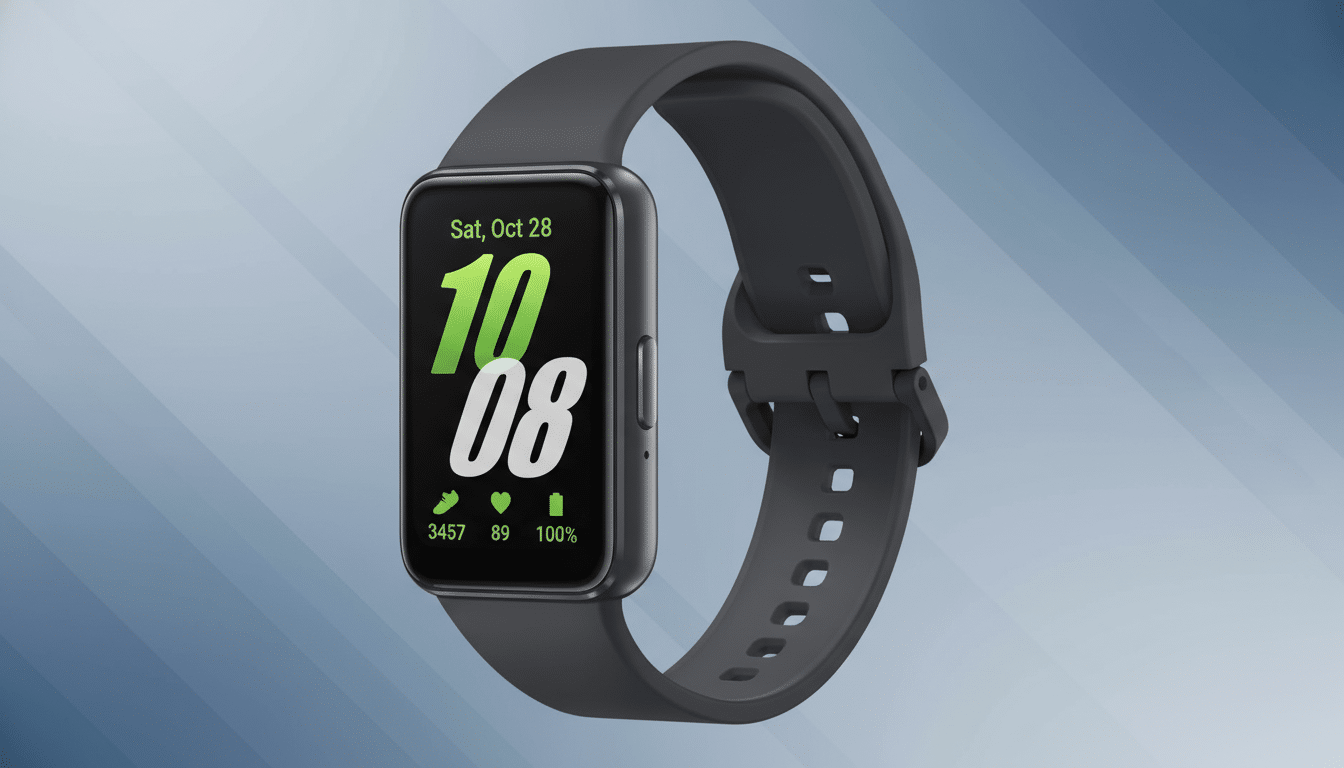
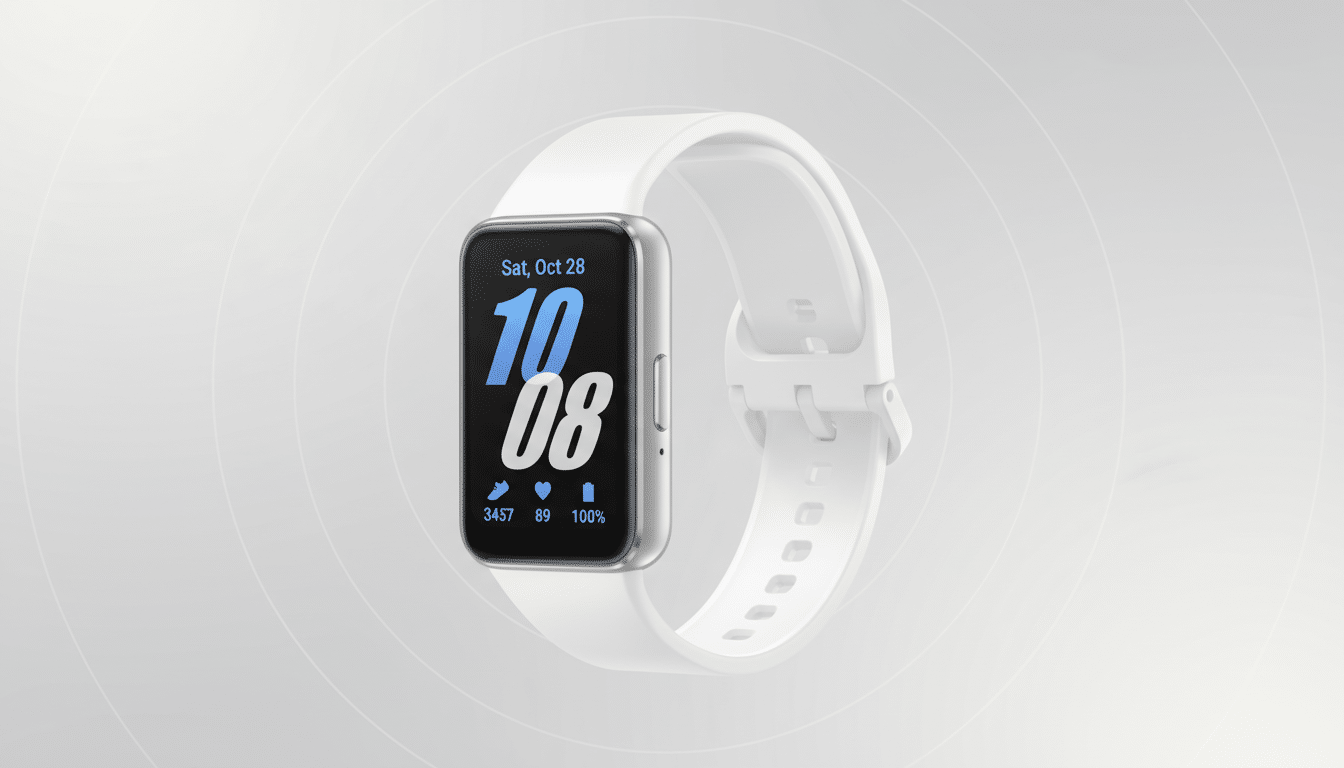
For those ready to move on, the Galaxy Fit 3 stands out as the most direct successor, offering a larger display, longer battery life, and more reliable automatic workout detection compared to the 2019 bands. It integrates cleanly with the latest Galaxy Wearable and Samsung Health experiences and benefits from ongoing firmware support.
If you want broader app ecosystems, voice controls, or on-wrist payments, stepping up to a Galaxy Watch model on Wear OS provides a far more capable platform. The trade-off is higher cost and typically shorter battery life than a simple fitness band, but the software runway and feature cadence are more future-proof.
The Bigger Wearables Picture As Samsung Updates Apps
This transition lands as Samsung preps a wave of One UI 8.5 updates across devices and tees up new audio hardware. Earwear continues to dominate global wearable shipments, and refreshed earbuds like the Galaxy Buds 4 series are likely to command attention alongside software upgrades such as improved voice assistants and smarter device switching.
For legacy Galaxy Fit owners, the end of official support is inconvenient but not unexpected. As the category matures, vendors are tightening product lines, prioritizing security, and aligning apps with current-generation features. The immediate takeaway is simple: avoid the app update if you must keep your 2019 band alive, or plan a measured upgrade to ensure your health data and daily routines transition smoothly.
