


Samsung has rolled out one of its most aggressive pre–Big Game promotions in recent memory, slashing prices across its top OLED and QLED lines with advertised savings up to $6,000 and discounts as deep as 50%. For shoppers eyeing a wall-dominating screen in time for kickoff, this is the kind of sale that can turn a wish list into a delivery window.
Biggest savings at a glance: top TV deals and price cuts
The headline grabber is a 98-inch QLED (QN90F) marked down to $8,999.99 from $14,999.99, a $6,000 cut that pushes a near–home theater experience into living rooms without bespoke installation.
- Biggest savings at a glance: top TV deals and price cuts
- Standout models and who they suit for your space
- Why the timing matters for pre–Big Game TV deals
- Specs that matter for sports and games, simplified
- How to lock in value on a new Samsung TV purchase
- Bottom line: should you buy during Samsung’s TV sale?
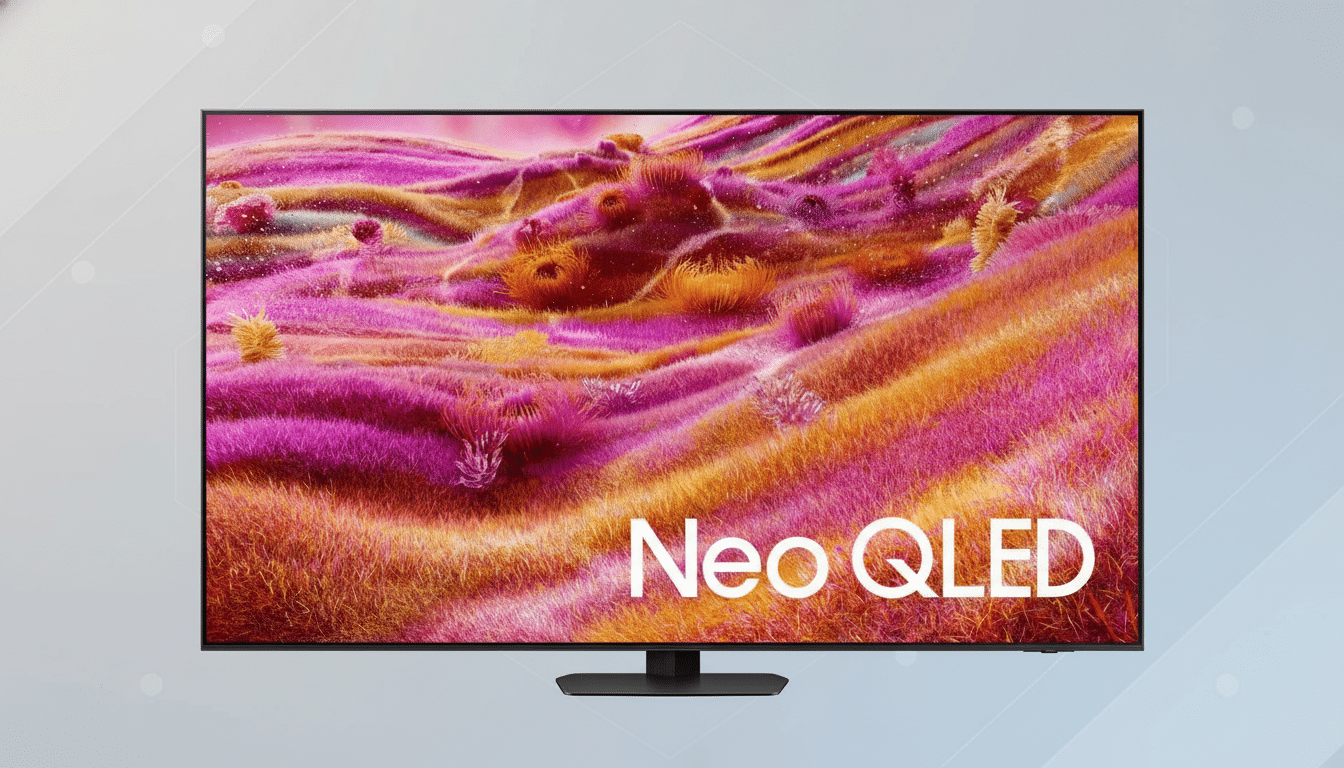
Steep price drops also hit fan favorites in more realistic living-room sizes:
- the 75-inch QN90D QLED dropping to $1,299.99 from $3,299.99
- the 77-inch S85F OLED at $1,599.99 from $2,999.99
- a 75-inch The Frame at $1,699.99 from $2,999.99
- the 85-inch 8K QN990F at $5,999.99 from $8,499.99
These numbers will shift as inventories thin, but the pattern is clear—big screens, bigger cuts.
Standout models and who they suit for your space
For bright, open spaces where glare kills the drama, Samsung’s premium QLED sets such as the QN90D are purpose-built. Mini-LED backlighting and robust anti-reflective coatings help them punch through daylight with strong HDR specular highlights, making grass textures, jersey colors, and on-field graphics pop even with the blinds up.
If you want OLED’s inky blacks without sacrificing daytime viewing, Samsung’s QD-OLED line is the play. The S95F stands out for its high peak brightness and a matte, anti-glare approach that tames reflections about as well as any OLED right now. Gamers get the bonus of high refresh support—select sizes can reach 144–165Hz with VRR—plus HDMI 2.1 for fluid action when the console takes over after the final whistle.
The S90F offers much of the same OLED clarity and rich color volume at a gentler price, particularly in the 77-inch class. In darker rooms, its pixel-level dimming delivers cinematic contrast that flatters night games and movies alike.
Then there’s The Frame, the design-first QLED that doubles as wall art. The 75-inch model getting a four-figure discount is notable because the set’s matte finish and ambient light sensor help art mode look convincing in bright rooms. Trade-offs remain—higher input lag and limited contrast versus flagship panels—so it’s best for style-driven buyers who prioritize décor and casual viewing.
At the very high end, 8K flagships like the QN990F and QN900F lean on advanced upscaling to sharpen 4K and HD broadcasts, and their peak brightness reserves make HDR graphics and halftime packages look spectacular. While native 8K content is scarce, these sets future-proof the centerpiece screen in a large room.
Why the timing matters for pre–Big Game TV deals
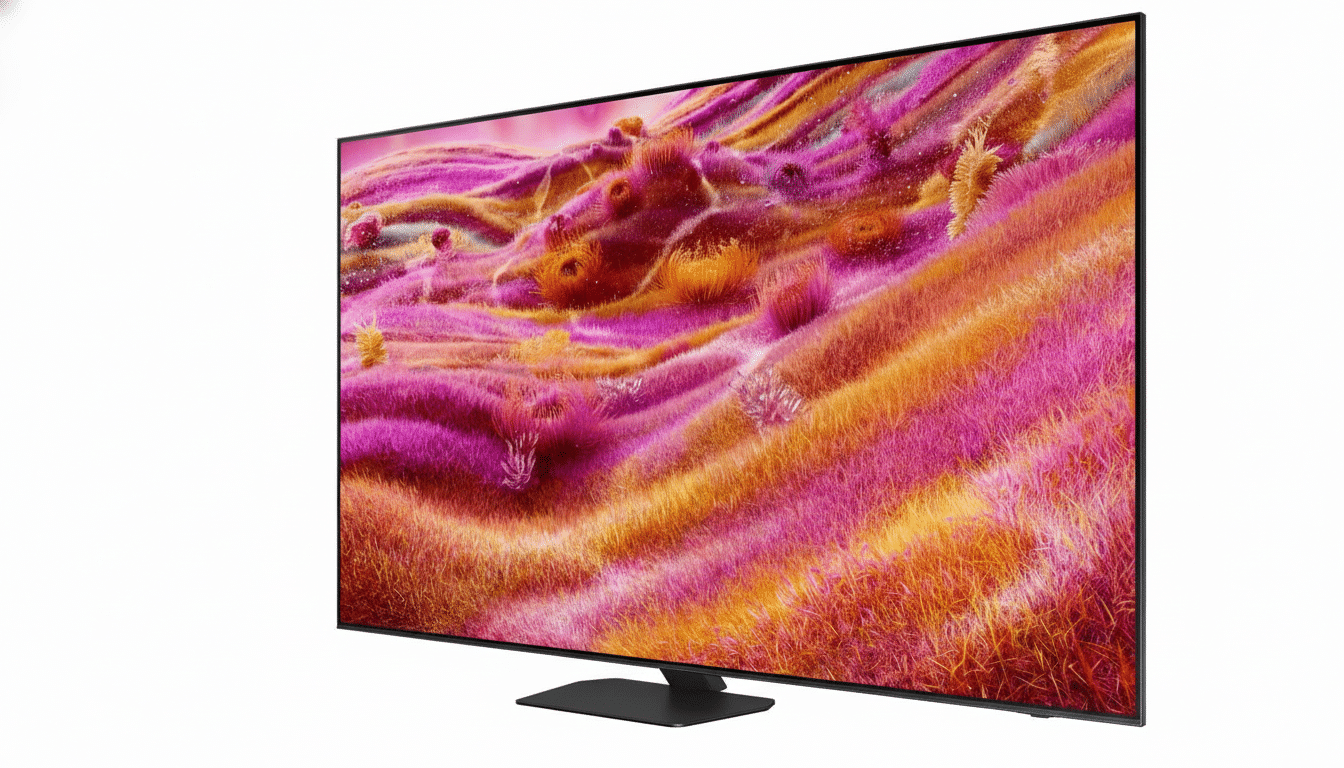
Pre–Big Game weeks have become a de facto holiday for TV upgrades. Market researchers at the Consumer Technology Association and NPD have consistently flagged spikes in large-format sales in the run-up to major sporting events, as buyers leverage seasonal promos to move from 55-inch to 65-inch or 75-inch and beyond. Omdia has also noted accelerating growth in the 85-inch-plus segment as manufacturing yields improve and prices fall. This sale aligns with those tailwinds, stacking deep cuts on high-demand sizes with shipping windows that aim to land sets before kickoff.
Specs that matter for sports and games, simplified
Motion handling is the quiet MVP. Look for 120Hz or higher refresh support with VRR to keep fast pans smooth and jersey numbers legible. Input lag under 10ms is ideal if your Sundays shift to FPS nights—Samsung’s Game Mode, ALLM, and HDMI 2.1 ports are the tells. For HDR, QD-OLED and flagship QLED models typically exceed 1,000 nits in highlight peaks in independent lab tests, enough to preserve detail in stadium lights and reflective helmets.
Room conditions matter. In sunlit spaces, prioritize a strong anti-reflective finish and higher brightness (flagship QLED). In light-controlled rooms, OLED’s perfect blacks win, especially for films. The Frame’s matte screen is excellent for art mode but won’t deliver the same cinema contrast as the top-tier panels.
Size is more science than guesswork. A simple guide: sit roughly 1.2 to 1.6 times the screen diagonal for 4K. That means 8 to 10.5 feet from a 75-inch, or 10 to 13 feet for an 85-inch. If you watch a lot of 1080p cable, Samsung’s better processors will help with upscaling on bigger screens.
How to lock in value on a new Samsung TV purchase
Confirm you’re getting the panel tier and feature set you want—Mini-LED QLED versus QD-OLED—then check port layout: at least four HDMI ports with multiple HDMI 2.1 inputs, plus eARC for a soundbar or AVR. Verify VESA mount compatibility and weight if you’re going on the wall. Smart platform support matters too; Samsung’s Tizen covers the major sports and movie apps, and voice control can speed up input switching during the game.
Finally, consider total cost of setup. Factor an audio upgrade if you rely on built-in speakers—dialogue clarity during commentary often benefits from a center channel or a quality soundbar with a dedicated center driver. Some bundles quietly add hundreds in value when a discounted soundbar is included.
Bottom line: should you buy during Samsung’s TV sale?
Samsung’s current promotion compresses flagship picture quality, gamer-ready features, and wall-filling sizes into far more attainable price brackets, with genuine doorbuster moments like a $6,000 cut on a 98-inch QLED. If you’ve been waiting to step up a size class—or two—this is a strong window to buy, provided you match panel tech to your room and lock shipping in time for the opening drive.
