


Samsung’s Ballie, a quantum of solace in hazardous home security coverage, originally billed as the future face of smart homes before company leadership decided to explore the full capacity for misuse of emerging technologies in 2019, is failing to launch and is ironically looking like an Icarus who aimed too high. According to Bloomberg.
The pivot turns Ballie into an “active innovation platform” for the company’s labs, not something aimed at your living room, though previous hints suggested a retail launch wasn’t out of the question.
A Sudden Swerve From Big-Promise Demos.
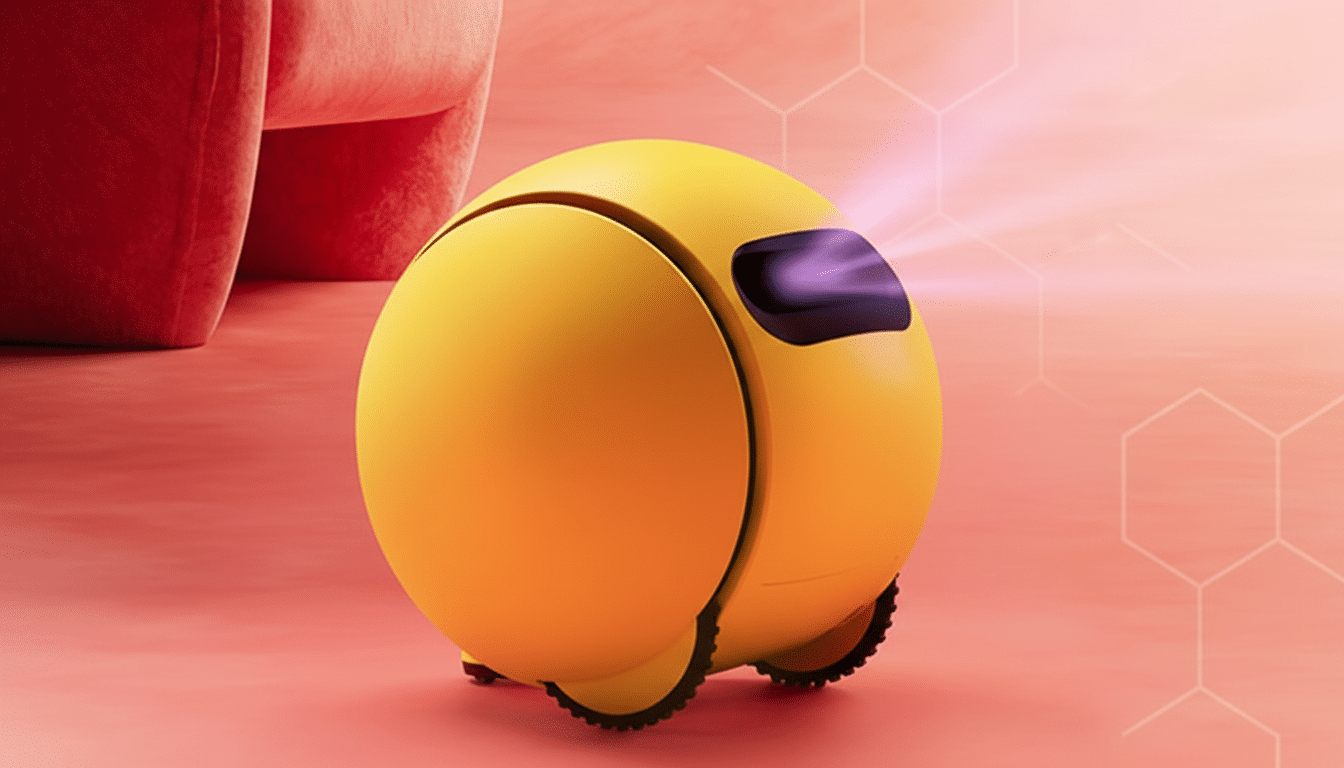
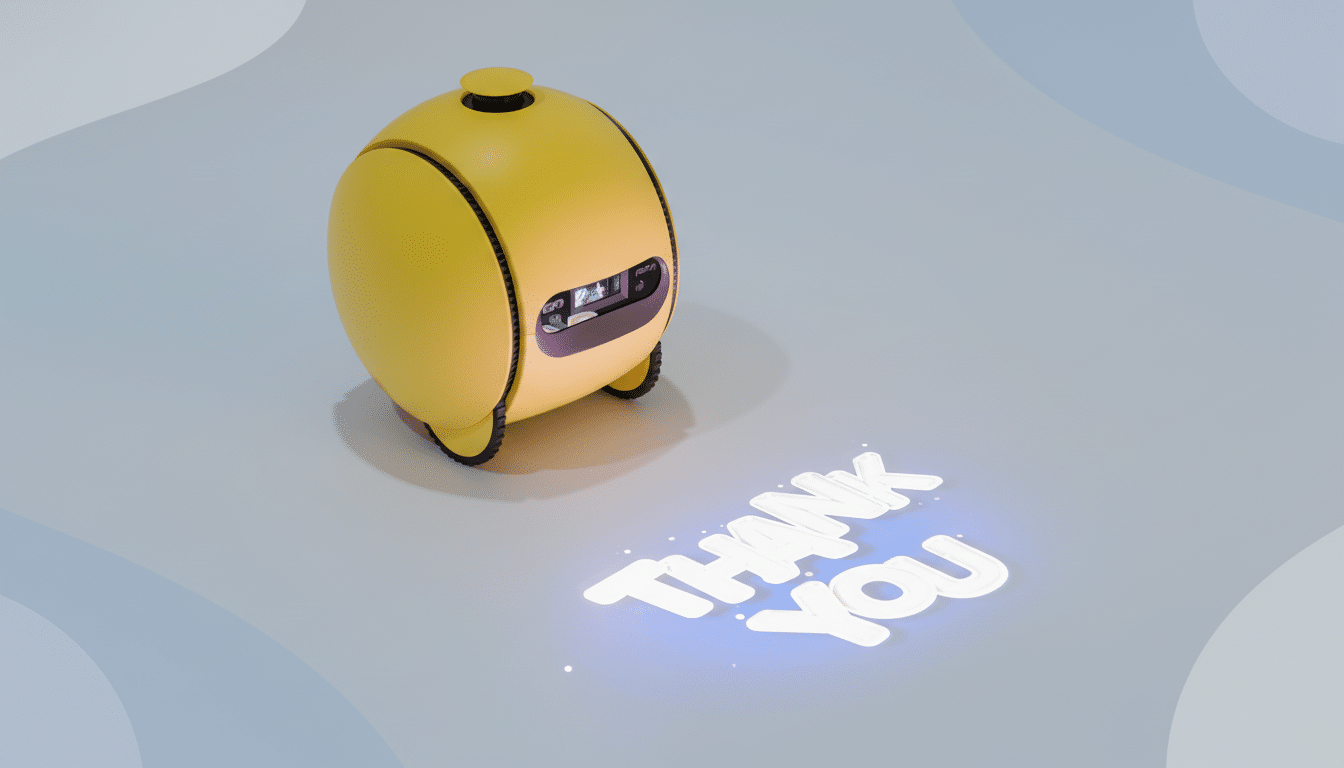
Ballie made a splash at CES with its playful, tennis-ball-sized design, promise of room-to-room mobility, and the ability to operate smart devices. A later version added an onboard projector that could project videos, workouts, or teleconference calls against walls as Ballie rolled around a user’s home. Samsung even opened a sign-up page for early interest, which is still alive today, driving home how close the robot once seemed to a retail runway.
But internally, the calculus has shifted. Moving Ballie to a research and prototyping platform is Samsung’s way of saying that the tech is valuable but isn’t yet ready to meet the needs of average consumers for reliability, price, and long-term support. In other words, the robot’s wow factor isn’t going to make up for life with real homes full of clutter, pets, and stairs.
Why Home Robots Keep Falling Again and Again
Mobile home robots have continued to bump into the same wall: utility that equals cost and complexity. Stationary assistants already reside in speakers, phones, TVs, and watches. If a robot is going to have its place on the floor, it needs to be able to provide something different than everything that came before — safe navigation, reliable device control, privacy you can trust, and indispensable hands-free assistance that doesn’t feel like one more gimmick.
The history of the market confirms this. Social companions like Jibo, Kuri, and Anki Vector beguiled early adopters but were unable to maintain sales or support. Amazon Astro is still restricted and its business-focused version was discontinued. Even as personal robotics develops, the International Federation of Robotics reports that consumer sales are dominated by single-purpose machines like vacuum and floor-cleaning bots — machines with limited, repetitive tasks which correlate to time saved.
Economics and trust also matter. It’s not cheap to engineer a rolling robot packed with depth sensors, a projector, spatial mapping, and on-device AI. Throw in edge cases — low-lit hallways, carpeting, cords, curious pets — and robust autonomy is a tougher sell. Meanwhile, home-goers are more privacy-aware than ever in the age of roaming cameras and microphones — a trend that has made launches across the smart home category messy.
What an ‘Active Innovation Platform’ Actually Means
Repackaged as a lab platform, Ballie may still yield good dividends. Samsung can develop indoor navigation, computer vision, projection systems, and multimodal AI without the restraints of consumer-grade durability and customer support. That progress could influence other devices: smarter TV projection features, responsive security monitoring, improved on-device voice and gesture controls, or more self-sufficient SmartThings routines.
The move also fits the way big tech now incubates “embodied AI” — AI models that perceive and act in the physical world — before baking features into commercial hardware. It’s an opportunity to gather data, tweak behaviors, and pressure-test safety policies without taking on the reputational risk and costs of a premature release.
A Cold Shower For Smart Home Ambitions Today
Ballie’s pause is a symptom of a bigger smart home reset. Consumers are still buying smart devices, but that conversion is quickest when the benefit is clear and it’s immediate. Standards like Matter are doing that work to enhance interoperability, but people are still interested in ensuring things will actually work and be easy to set up — areas where shiny robot demos don’t automatically translate into value in everyday life.
Market signals are mixed, too. A high-profile effort to buy the most visible consumer robotics brand in the category, iRobot, collapsed after regulatory resistance and scrutiny, showing that hardware businesses with thin margins can be tough to scale. The bar is even higher for multipurpose home robots.
Could Ballie Come Back in a Future Consumer Form?
Never say never. Rapid progress in on-device AI, cheaper depth sensors, and more efficient compute platforms could reduce costs and enhance autonomy. If Samsung can show off magical capabilities that literally save you time — hands-free telepresence that just works, elderly or pet care experiences that are actually rich, proactive home control not invasive but flat-out cool — then Ballie might return in a different form.
For now, at least, the message is: Cuteness will have to wait for the troubled little rolling helper. Samsung’s labs will continue to inch the tech forward, though the next leap may show up less like a ball on the floor than smarter, quieter intelligence baked into hardware people already own.
No formal cancellation notice came from Samsung, but overnight reports from Bloomberg explained the company’s repositioning, which makes clear its near future.
Ballie is not dead; it’s going to school.
