


Ring has pulled the plug on its planned integration with Flock Safety, abandoning a controversial link-up after weeks of mounting criticism from users and privacy advocates. The company said the collaboration never launched, no customer videos were shared with Flock, and the decision was made jointly after realizing the work would require far more time and resources than anticipated. Even so, the retreat reflects how quickly public sentiment can turn when smart home cameras edge closer to law enforcement systems.
Why the planned Ring-Flock integration alarmed users
The proposed integration would have allowed agencies using Flock’s software to route video requests to Ring users through Ring’s existing system. On paper, that’s different from direct data sharing. But in practice, critics saw the move as a step toward merging two vast surveillance ecosystems: Ring’s neighborhood cameras and Flock’s automatic license plate reader (ALPR) network.
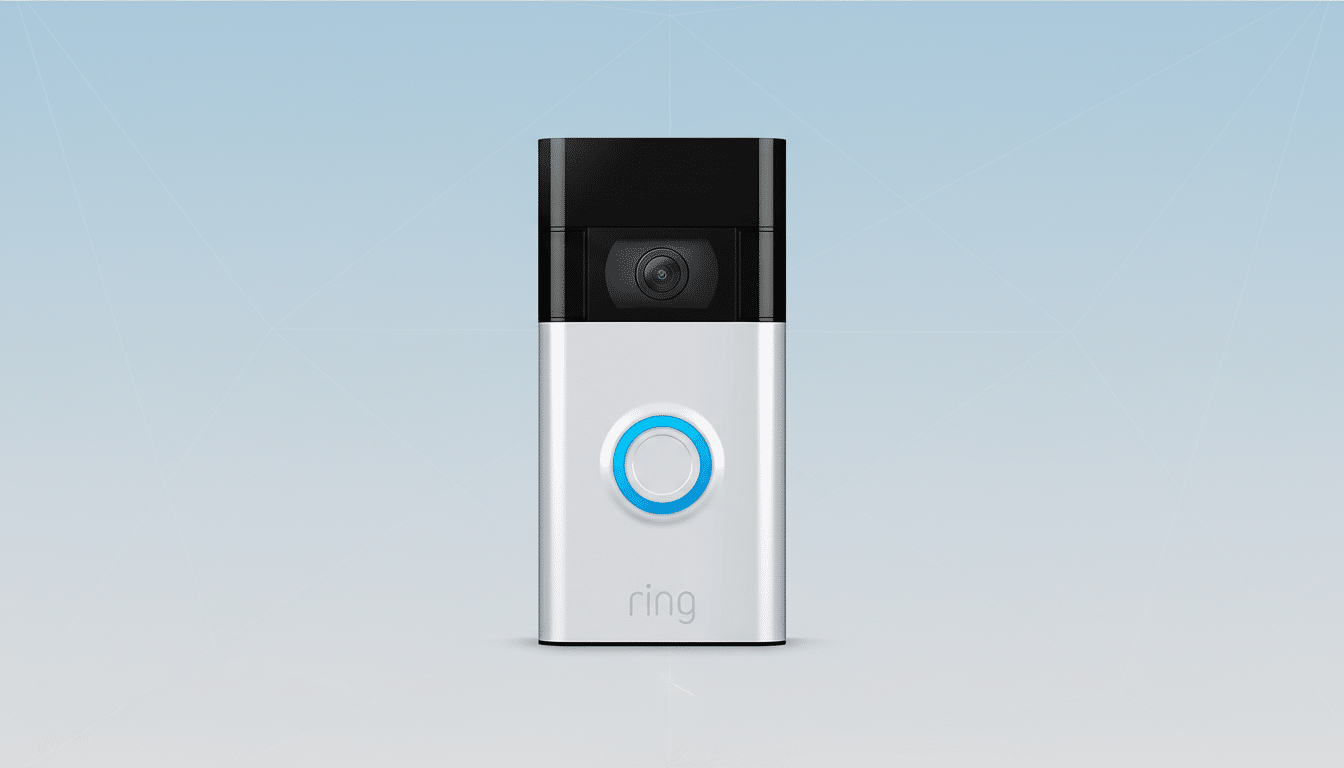
Flock touts ALPR cameras that help investigators identify vehicles linked to crimes, and the company has said its default retention window is 30 days. Civil liberties groups such as the ACLU and the Electronic Frontier Foundation have long warned that large-scale ALPR databases can be repurposed, creating risks around tracking, profiling, and mission creep. Reports that federal agencies, including ICE, have gained access to broader camera networks intensified fears that any Ring-Flock tie-up could indirectly funnel neighborhood footage into federal systems without sufficient oversight.
The optics didn’t help. Ring’s Super Bowl ad for its AI-powered “Search Party” feature—pitched as a way to find lost pets—showed a dense web of connected doorbells. Even with the company’s assurances that the tool doesn’t identify people, the imagery landed in the middle of an already heated debate. Add Ring’s opt-in “Familiar Faces” facial recognition feature to the mix, and many users concluded the company was building a platform that could, over time, enable mass surveillance at residential scale.
What Ring is keeping after canceling Flock integration
Ring emphasized that its Community Requests system will remain. Under that program, local public safety agencies can post broad, public requests for video clips from users in a particular area and timeframe. Participation is voluntary and granular—users can ignore requests entirely or choose what to share. The company highlighted that this approach is meant to preserve user control and visibility, in contrast to any behind-the-scenes data pipelines.
Importantly, Ring reiterated that the scrapped integration with Flock never went live. That means no automatic forwarding of footage occurred, and no Ring customer videos were transferred to Flock as part of the aborted plan. The clarification addresses a swirl of online speculation that conflated the announcement of the partnership with active data sharing.
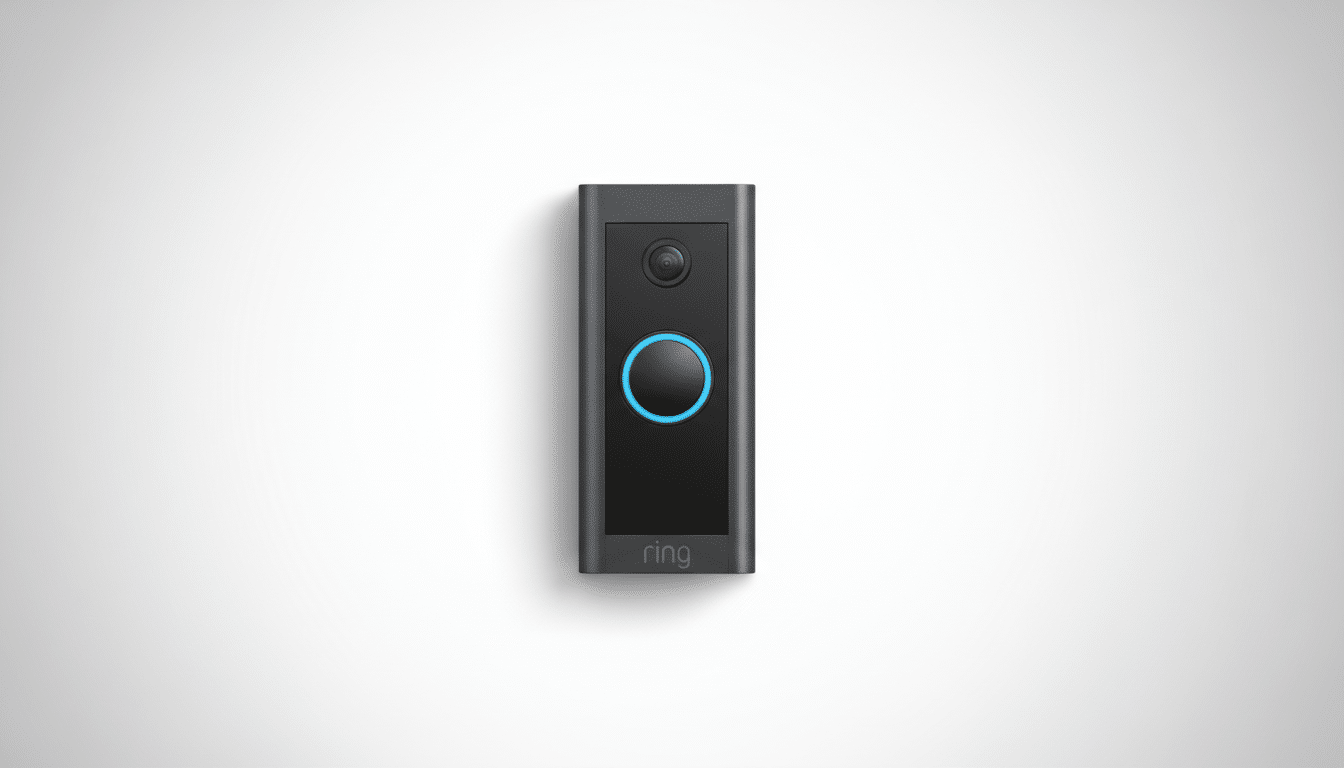
A trust gap built over years fuels continued backlash
The backlash did not emerge in a vacuum. Ring’s earlier law enforcement partnerships primed skepticism about new police-facing features, and the company’s past privacy lapses have lingered in the public memory. In a 2023 action, the Federal Trade Commission required Ring to implement stricter privacy and security safeguards after alleging that improper access controls allowed employees and contractors to view some customer videos. That regulatory history is one reason many users now demand higher standards for transparency, auditing, and independent oversight before accepting deeper integrations.
The broader landscape is shifting too. Cities and states are increasingly scrutinizing surveillance tech, from facial recognition restrictions in some jurisdictions to public reporting requirements on ALPR use. Privacy researchers at universities and nonprofits have urged “interoperability impact assessments” for any system that bridges private consumer devices and government databases—arguing that even opt-in programs can, at scale, produce outcomes that individual users never intended.
What to watch next as Ring recalibrates public safety plans
By canceling the Flock integration, Ring is signaling that public trust is now a gating factor for product and partnership roadmaps. Expect the company to double down on consent, visibility, and granular controls—particularly for anything that touches public safety. Independent audits, clearer retention policies, and stronger data minimization standards would go a long way toward rebuilding confidence.
For consumers, the key takeaway is control: review camera sharing settings, understand how Community Requests work, and keep an eye on new features that could expand data collection. For policymakers, the moment underscores a larger question: how to balance legitimate investigative needs with robust guardrails when private and public surveillance infrastructures inch closer together.
The immediate controversy may cool with the partnership off the table. But the underlying debate—who can ask for your footage, how long it’s stored, and where it can travel—will keep shaping the future of smart home security. Companies that get the answers right will likely set the new baseline for the industry.
