


A rare prototype of the first Google Pixel has appeared on eBay for bidding at just over $100, offering collectors a rare opportunity to get their hands on a working slice of Android history that rarely leaves the lab. The device itself seems to be a late-stage sample of the 2016 Pixel, complete with “Not For Sale” written on it and an internal inventory sticker that says “Property of Google.”
The listing’s images show the device labeled “sailfish-ROW-DVT,” which refers to a Design Validation Test build of the 5-inch Pixel. “Sailfish” was the small 2016 codename and “ROW” is normally how we refer to a Rest of World version. In layman’s terms, this is production hardware designed for last-minute verification before mass manufacturing kicked into high gear.
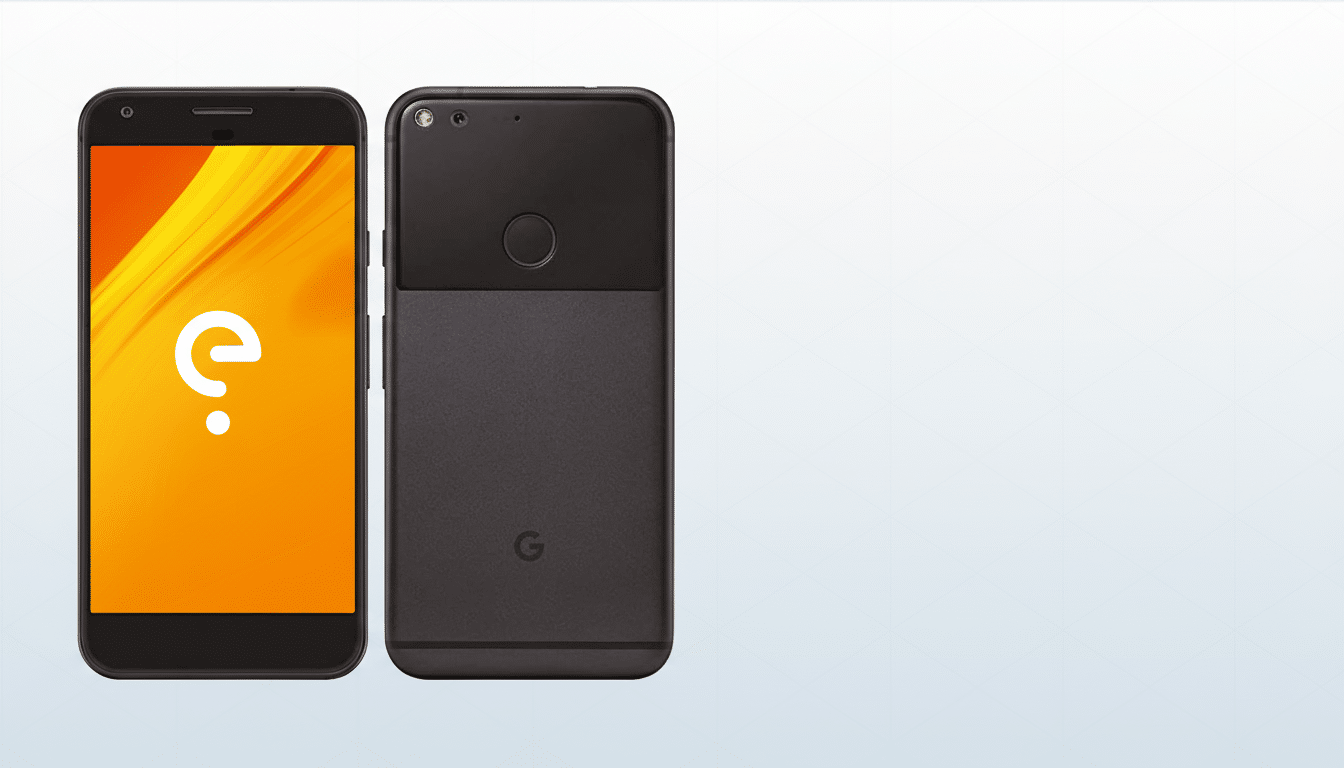
What the eBay listing reveals about this Pixel prototype
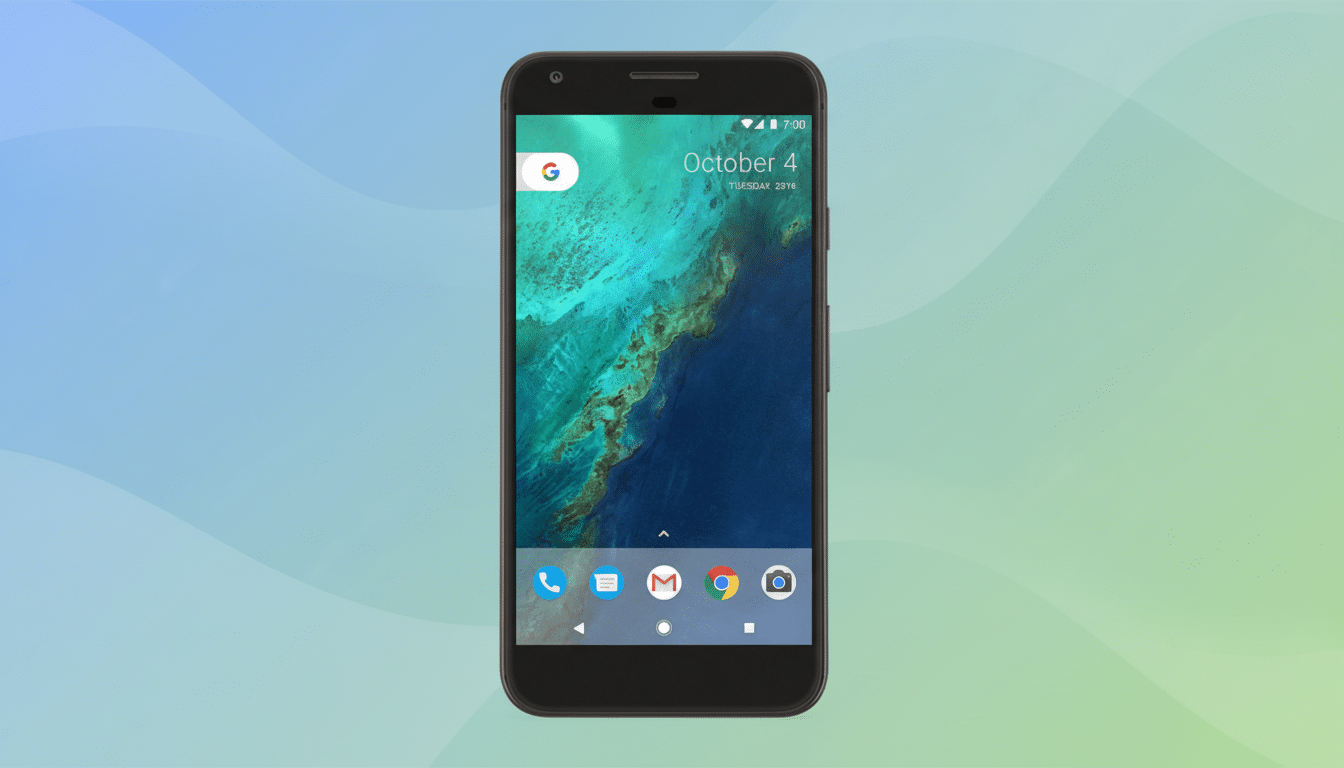
While it’s a prototype, the device shares most of its specifications with retail versions from that time: Qualcomm’s Snapdragon 821, 4GB of LPDDR4 RAM, and 128GB of storage from Samsung using UFS. On the device, it boots to the standard Pixel launcher and showcases Google’s core apps — indicating that we’re dealing not with experimental test software, but production-adjacent software.
The reference build in question is currently QPP5.190530.014, an Android 10-era image. For a 2016-era phone, that falls in line with Google’s then-current support window, offering major OS updates up to Android 10. It’s actually jumpier technology than what I often write about on this blog (which isn’t a bad thing!), and it being rare to see a prototype updated to such a point makes the find more interesting from a software preservation perspective as well.
Why this late-stage Google Pixel prototype matters
The original Pixel was Google’s move away from the enthusiast-friendly Nexus family into a full-stack hardware approach. It was a foundation for a camera oriented around HDR+ computational photography, and it laid the groundwork for Assistant’s on-device goals starting with photos. Google shipped millions of Pixels in its early years building steam in premium Android — and that started with this generation right here, says IDC.
In the world of hardware development, DVT devices are late-stage prototypes that you use to test whether your design decisions hold up under real-world conditions. They come after Engineering Validation Test (EVT) units and before Pilot or Production Validation Test (PVT) runs. DVT devices frequently appear and act like retail phones, though they may conceal diagnostic toggles, non-final radios, or quirky security flags — making this class particularly interesting to collectors and researchers.
Functional caveats and risks of owning prototypes
Some key connectivity fields, like SIM status, Wi‑Fi MAC, Bluetooth address, and IP address, show as inaccessible in this listing. That’s common for internal builds. Factory radios can be disabled or programmed with whitelists that never see the light of day on public networks. That means buyers ought to consider this as a display piece, not a daily driver.
There are also security considerations. Certain prototypes have the ability to phone home when they attach to networks, and companies still may have the power to remotely lock or disable them. Resetting the device or flashing images could be hindered by FRP or custom flags on the bootloader. Collectibles will often have such machines offline to remain unaltered and minimize the risk of a remote wipe.
Marketplaces like these will sometimes take down prototype listings if there are allegations of misappropriated property. eBay won’t allow stolen or confidential items, and Big Tech has a history of asking for takedowns. That lack of certainty is part of the calculus for any potential bid, too.
What this Google Pixel prototype might be worth
The price is currently relatively low at the time of writing, with bidding around $105 for a piece of Pixel history. Final value on preproduction phones comes down to rarity, provenance, and whether the device boots. Apple iPhone prototypes have fetched as much into five-figure sums at auction; Android prototypes usually command less but still draw intense interest when they’re verifiably of internal origin and mostly intact.
In fact, for the Pixel, there have been very few known DVT units that power on — and keep their original markings. It’s the combination of 128GB storage, a later-stage hardware tag, and a production-like Android 10 build that will probably appeal to those who collect mobile history, ROM developers, and museum projects focused on recording the progression of Google’s hardware.
A snapshot of how far Pixel hardware has come
This prototype is a moment-in-time look at when Google was finally in complete control of its smartphone destiny. In the years that followed, the line has shifted from Snapdragon chips to Google’s Tensor platform and single-camera systems to sophisticated multi-sensor arrays powered by AI. The sight of a DVT “sailfish” device booting up into Android 10 demonstrates just how quickly the Pixel project came to fruition and why the historical record values early drafts.
Whether the auction ends in a deal or balloons into bigger numbers, the listing is a reminder that the most interesting tech collectibles are not necessarily pretty or shiny — they are simply machines that tell a story about how our modern phones came to be.
