


If you’ve been waiting for a reason to try smart glasses, this Presidents’ Day sale wave quietly delivers the best chances yet. I combed through major retailers and brand stores to surface real savings—not phantom markdowns—and found several standout offers across AI audio glasses and plug-in XR display models. These are the rare, meaningful discounts that make smart specs an easy upgrade for commuters, travelers, and anyone curious about hands-free computing.
What makes these deals notable is how they cut into categories that rarely budge on price: camera-enabled frames with on-board assistants, and micro‑OLED display glasses that turn your phone, console, or laptop into a private big screen. Inventory is already shifting by colorway and lens tint, so if a configuration catches your eye, don’t sit on it.
Top Presidents’ Day Smart Glasses Deals Available Now
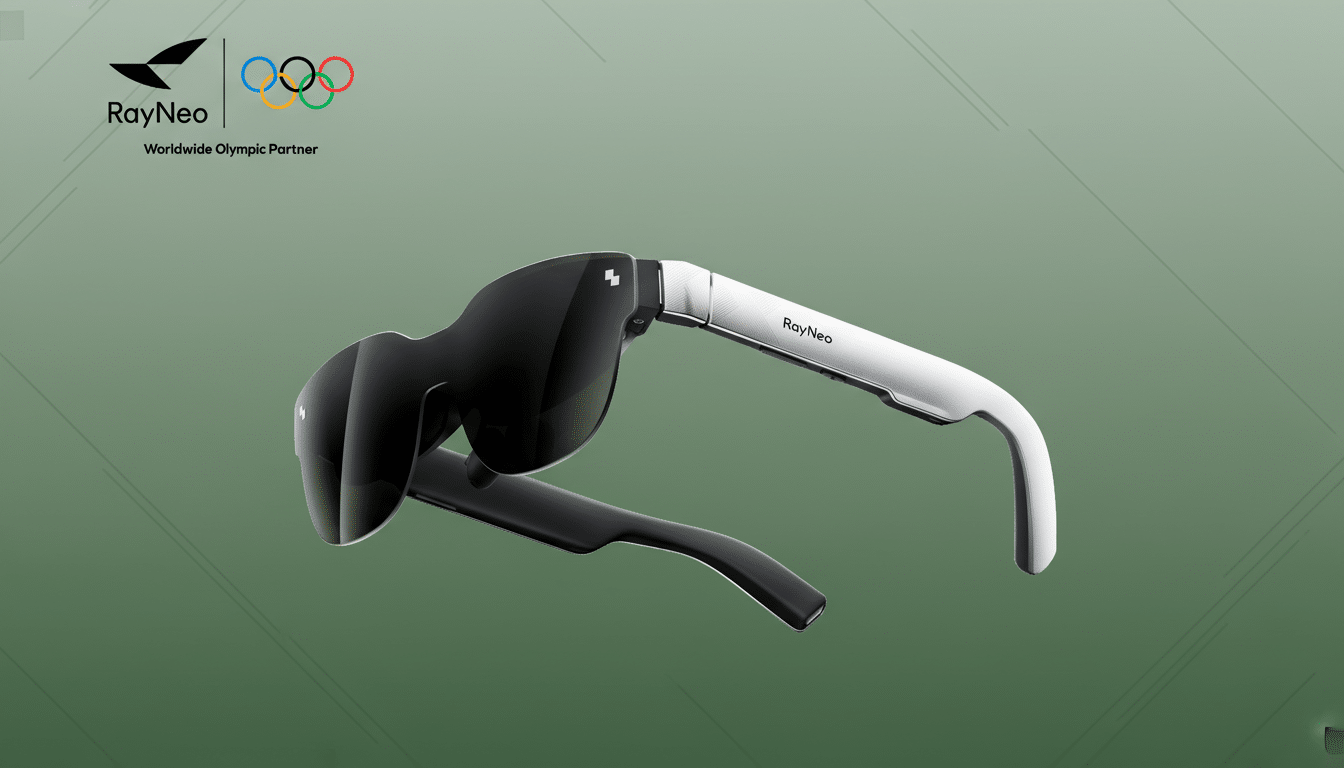
RayNeo Air 3s AR/XR glasses are down to $200 after applying the checkout coupon, a $70 drop that undercuts many rivals. These are tethered display glasses, not a standalone headset, which is exactly why they’re so travel‑friendly: plug into a USB‑C video source and you get a cinema‑scale virtual screen without the bulk. For long flights or hotel work, the effect is surprisingly convincing, and the light weight makes them wearable for a full movie or two without face fatigue.
Amazon Echo Frames Polarized are $150, a massive $180 off the polarized list price. If you prioritize voice assistance and calls over cameras or displays, these deliver. Open‑ear speakers keep you aware of traffic while beamforming mics clean up your voice on calls, and Alexa handles messages, reminders, and turn‑by‑turn directions hands‑free. The latest generation improved audio leakage and battery consistency, making them one of the easiest everyday upgrades for frequent callers and multitaskers.
Oakley Meta HSTN Smart Glasses start at $339 with savings up to 15%, pairing Oakley’s sport‑grade frame design with connected smarts. You’re paying for durable build and fit plus the convenience of voice control and open‑ear audio in an iconic HSTN silhouette. For active users who want everyday eyewear that pulls double duty for music, calls, and light assistant features, this discount finally brings premium frames into a more approachable range.
Pro tip: Prices can vary by lens option. Polarized and photochromic lenses often carry higher MSRPs, so the absolute dollar savings are typically larger even when the % looks the same. Check each colorway; limited tints and small sizes are usually the first to sell out during holiday weekends.
How to Choose the Right Smart Glasses for You
Decide first between AI audio glasses and XR display glasses. Audio‑first models (like Echo Frames and many fashion‑forward pairs) excel for calls, navigation prompts, and quick assistant queries without isolating you from your surroundings. Look for multipoint Bluetooth, IP ratings for drizzle or sweat, low audio leakage, and at least a half‑day of mixed use per charge.
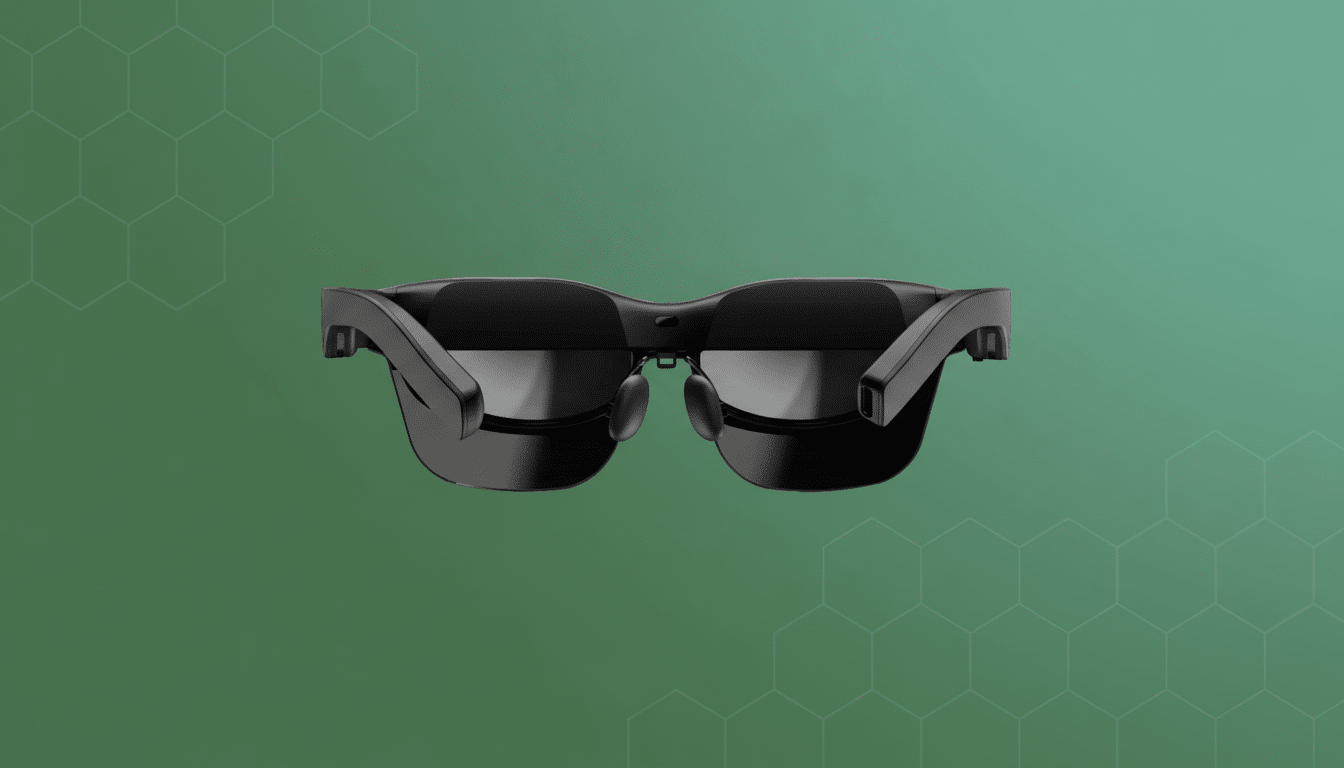
XR display glasses (like the RayNeo Air 3s) shine for private viewing and productivity. Because they rely on your phone, handheld, or laptop, compatibility matters: you’ll want native USB‑C video output or the correct HDMI/Lightning adapter. Brightness, perceived screen size, and comfort are key; nose pads and optional prescription inserts can make or break long sessions.
If you’re camera‑curious, note that capture‑enabled smart glasses vary in image stabilization and low‑light quality. Also consider social norms and privacy—indicator LEDs and clear shutter sounds are a plus if you plan to record in public.
Why Smart Glasses Discounts Are Hitting Right Now
Presidents’ Day has evolved into a mid‑quarter price reset, and smart eyewear is feeling the competitive pressure. Component costs for micro‑OLED panels and low‑power chipsets have been easing, and brands are jockeying for share as AI assistants become more ambient. IDC’s AR/VR tracker points to a rebound in head‑worn devices as new form factors arrive, while Counterpoint Research regularly highlights hearables as the dominant wearable category—making audio‑first glasses a logical, fast‑growing offshoot.
At the same time, eyewear giants have been expanding portfolios and cross‑branding with tech partners, which typically leads to broader retail distribution and, crucially, more aggressive promotional windows. That combination is why we’re seeing rare double‑digit cuts on frames that usually hold close to MSRP.
Buying Tips and Fine Print for Smart Glasses Deals
Check return windows and lens exchange policies—smart glasses straddle tech and eyewear, and fit is personal. Some models support prescription inserts; others require ordering direct with Rx lenses. If you plan to use them for work calls, confirm your conferencing app’s device support and test mic quality on day one.
Stacking deals helps. Many retailers quietly auto‑apply coupons at checkout; combine those with store credit cards or cash‑back portals to shave another 5%–10%. And remember that firmware updates can materially improve features like voice wake reliability or audio EQ, so install updates before judging performance.
The bottom line: at $200 for display glasses and $150 for polished AI audio frames, these are the most compelling smart glasses prices I’ve seen this season. If you’ve been on the fence, this is the weekend to make the leap.
