


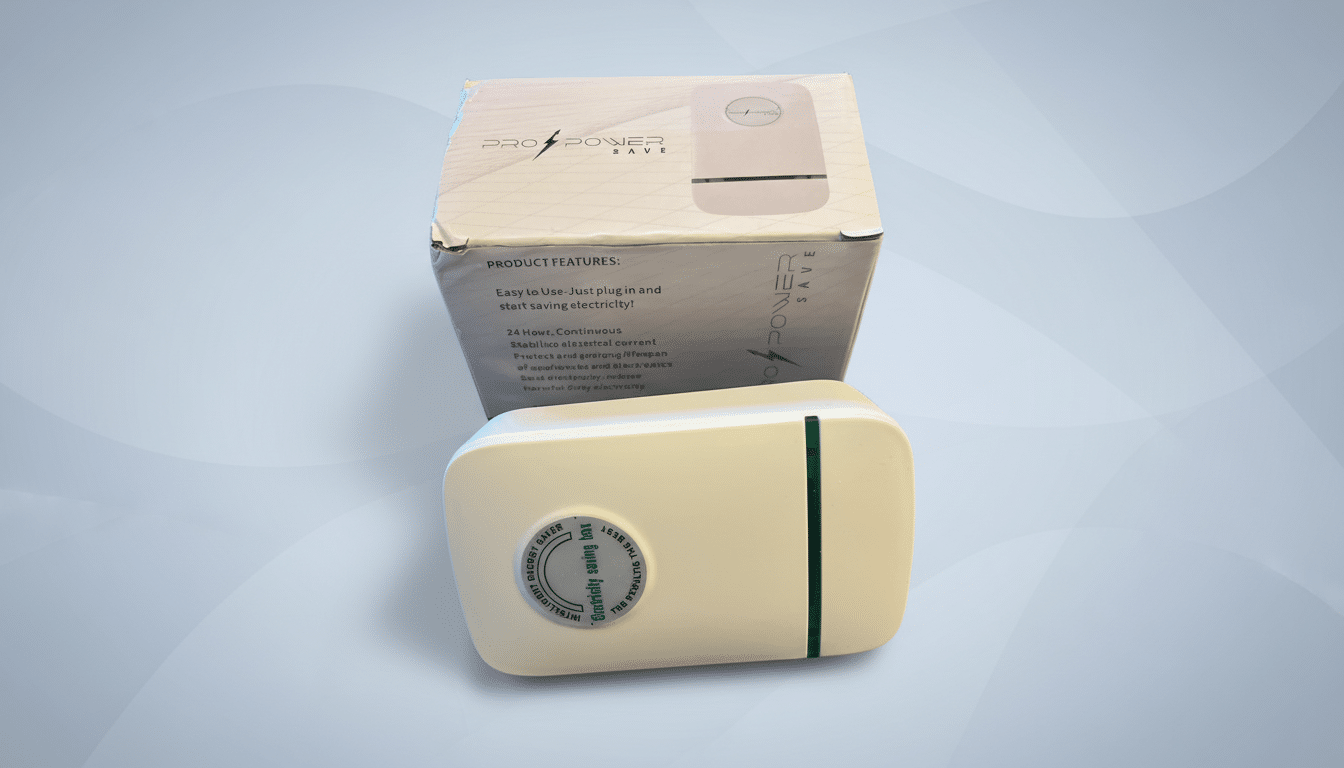
I bought a stack of unassuming “power saver” boxes, the kind that promise to stabilize current, reduce waste, and slash your bill. After weeks of teardown, measurement, and safety checks, only one category of device proved legitimately useful—and it wasn’t the magic box with a blinking LED.
With energy anxiety rising, slick ads have flooded marketplaces, offering plug-in fixes that sound like industrial wizardry. Most don’t just under-deliver; some add risk and a few cents to your bill every month.
- The Problem With Plug-In Energy Savers in Typical Homes
- Inside the Boxes: Nothing That Cuts Your Bill
- Why the Claims Don’t Add Up for Household Electric Bills
- The One Device That Actually Helps: Smart Plugs
- What the Data Says About Real-World Standby Savings
- How to Buy Smart and Stay Safe With Energy Devices
- Bottom Line: Skip Miracle Boxes and Use Smart Monitoring
The Problem With Plug-In Energy Savers in Typical Homes
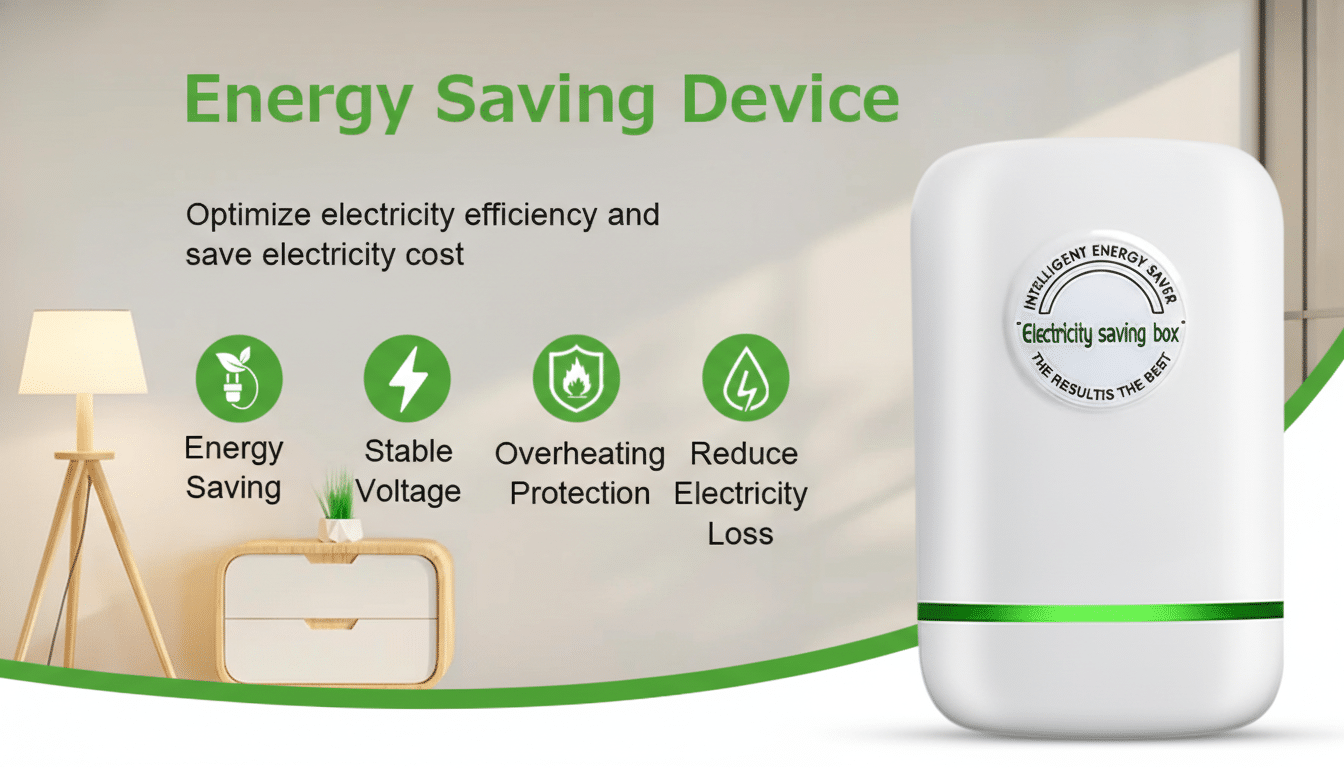
These palm-size devices claim to “correct power factor,” “optimize voltage,” or “reduce line noise” for instant savings. The pitch borrows terms from commercial power systems and applies them to homes where they simply don’t matter the way marketers suggest.
Regulators and safety bodies have noticed. Consumer protection agencies have flagged misleading energy claims, and European Safety Gate notices have listed lookalike devices for fire and shock hazards. A fast tell: many boxes lack credible third-party certification from UL, ETL, CSA, or TÜV—and authentic model-specific markings.
Inside the Boxes: Nothing That Cuts Your Bill
Teardowns were damning. I found hair-thin wiring, poor soldering, and, in some versions, a “capacitor” that tested as functionally inert. The electronics inside are often closer to a novelty night light than a power-management tool—yet the LED itself consumes power.
Some units used noncompliant plug pins and questionable fuses. A device that’s supposed to save electricity but can overheat or arc is more than a waste of money—it’s a safety risk.
Why the Claims Don’t Add Up for Household Electric Bills
Here’s the crux: residential customers are billed for energy in kilowatt-hours, not for reactive power or poor power factor. The U.S. Department of Energy and IEEE explain that power factor correction primarily benefits industrial sites facing demand and power-factor penalties—not typical homes on standard tariffs.
Even if a plug-in box slightly improves power factor on a single circuit, your meter still records the real energy your appliances use. A 60-watt lamp with a mediocre power factor still bills at roughly 60 watts of real power; adding a capacitor won’t make the light consume fewer watt-hours across an evening.
The One Device That Actually Helps: Smart Plugs
The only gear that consistently produced measurable savings in my tests was a smart plug or smart power strip with energy monitoring. These let you see, schedule, and shut off standby loads—and that behavioral control translates into real reductions.
Good models draw roughly 0.7–1.5 watts themselves, support scheduling and automation, and provide per-outlet data. They turn “I think that TV is wasting power” into a readout you can act on from your phone or voice assistant.
What the Data Says About Real-World Standby Savings
Standby power is not trivial. The Lawrence Berkeley National Laboratory estimates always-on loads account for roughly 5–10% of household electricity use. The U.S. Energy Information Administration pegs the average U.S. home at around 886 kWh per month, so vampire loads can quietly eat dozens of kWh monthly.
Find just 50 watts of always-on devices—game consoles, cable boxes, printers—and you’re burning about 438 kWh per year. At $0.16 per kWh, that’s roughly $70 annually. A $12–$25 smart plug that uses ~9 kWh per year itself can pay for itself within a season once you start scheduling shutoffs.
How to Buy Smart and Stay Safe With Energy Devices
Look for credible safety marks (UL, ETL, CSA, TÜV) that match the exact model number on the device. Favor plugs with per-outlet energy monitoring, on-device power buttons, overcurrent protection, and clear data on their own standby draw.
Red flags include buzzwords like “power factor saver,” promises of 30–50% lower bills without changing usage, and photos that obscure internals or markings. Check consumer advisories from agencies such as the Federal Trade Commission and your national standards body before you buy.
Bottom Line: Skip Miracle Boxes and Use Smart Monitoring
Most plug-in “energy saver” boxes are theatre, not technology. The only device that consistently moved my meter was a certified smart plug or smart strip with monitoring and scheduling. Skip the miracle boxes; measure what’s always on, automate shutoffs, and keep the savings you can actually verify.
