


Pornhub and sister sites owned by Aylo are now inaccessible in 23 US states and in parts of Europe, with France fully affected and new users in the UK shut out. The blackout is Aylo’s response to a fast-spreading wave of age-verification laws that the company says endanger user privacy and fail to protect minors. Here’s what’s driving the blocks, where they apply, and what options viewers have—legally and safely.
Why Pornhub Pulled the Plug on Access in Many Regions
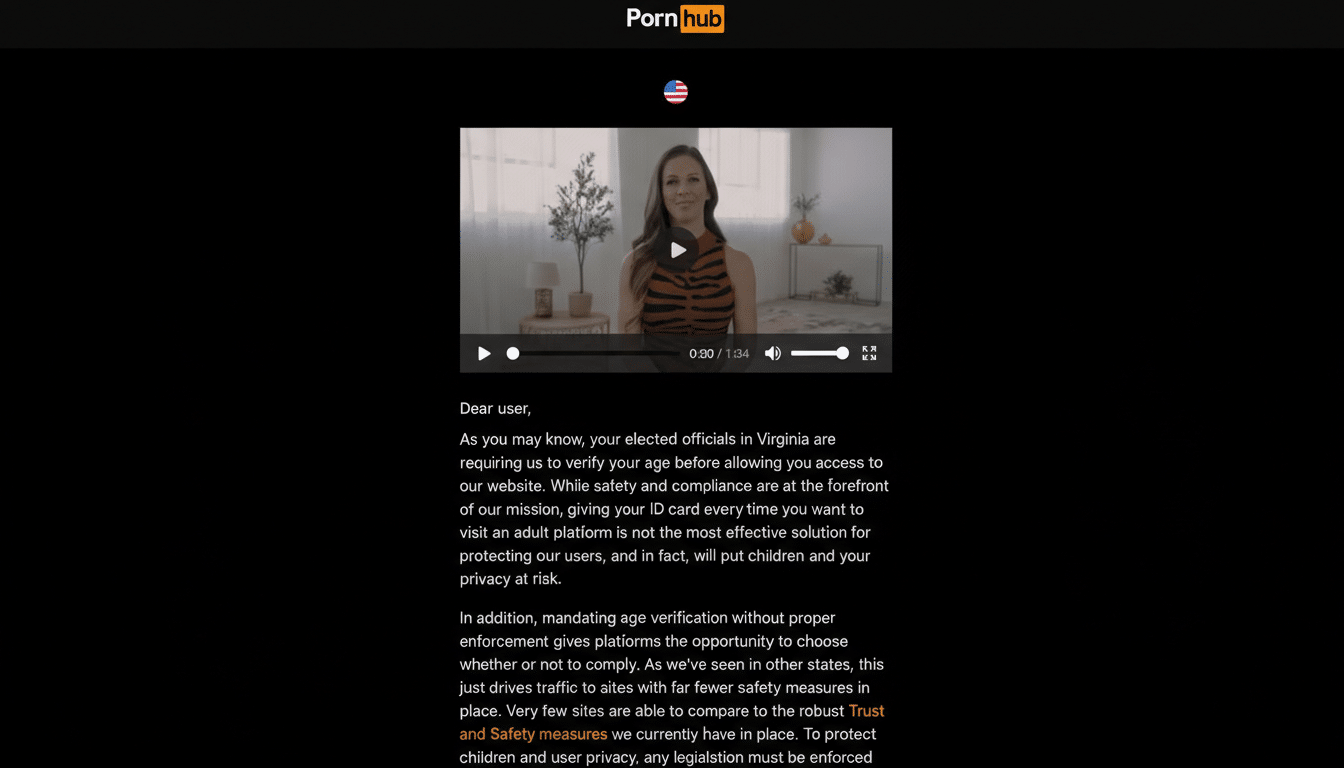
Aylo argues that state-by-state and country-level age gates push people to riskier, noncompliant sites and force adults to hand over sensitive documents to third parties. The company backs device-level age checks managed by platform providers like Apple, Google, or Microsoft, rather than uploading IDs to individual websites. In the UK, Aylo says the regulator Ofcom has an “impossible mandate” and that real-world enforcement is porous, with circumvention easy and privacy at risk.
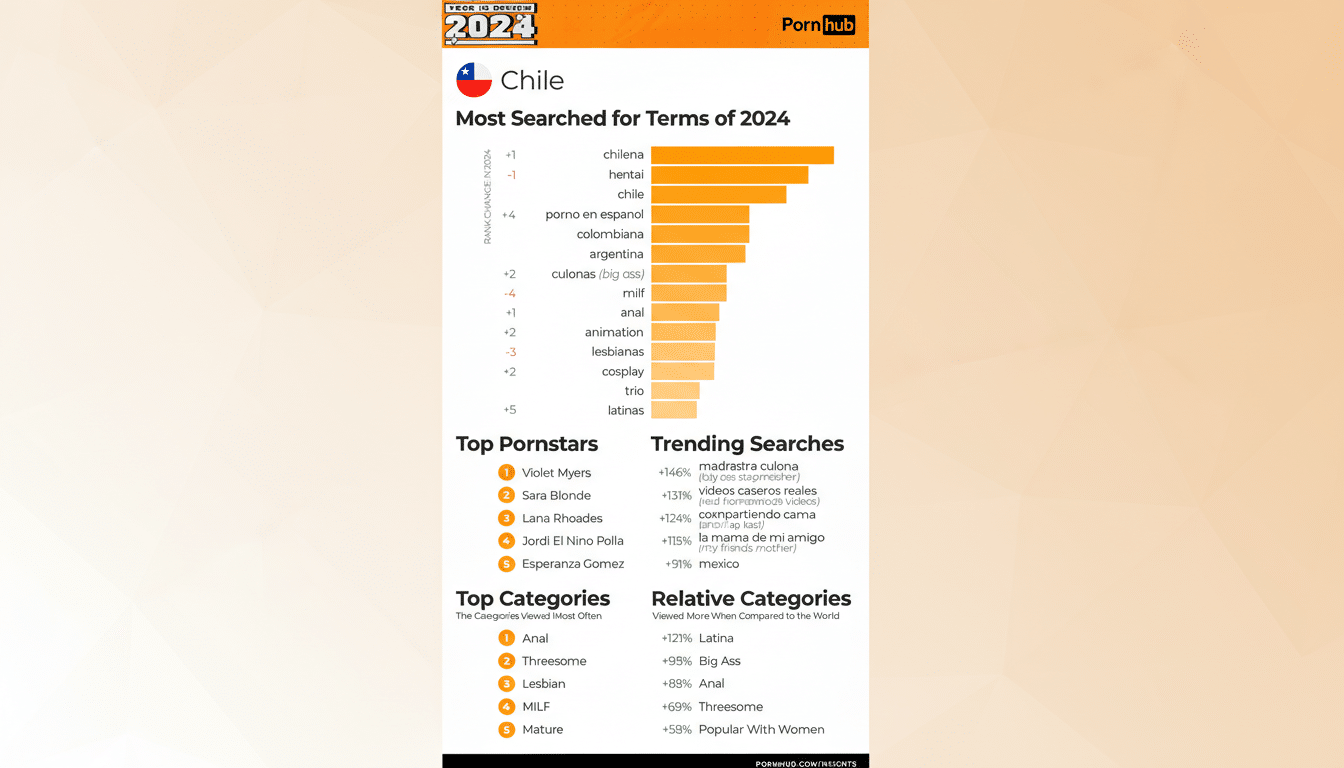
The data helps explain the stakes. Pornhub’s own Year in Review routinely shows the US as the top traffic source, with the UK and France among the global leaders. When Louisiana first implemented an age gate, Pornhub reported an ~80% traffic drop in the state—evidence, the company says, that viewers shifted elsewhere rather than stopped watching. Separately, market intelligence firm Semrush has estimated Pornhub’s monthly visits in the billions, underscoring the scale of disruption.
Where the Pornhub access blocks apply right now
Aylo has blocked access to Pornhub, YouPorn, and RedTube in the following states:
- Alabama
- Arizona
- Arkansas
- Florida
- Georgia
- Idaho
- Indiana
- Kansas
- Kentucky
- Mississippi
- Missouri
- Montana
- Nebraska
- North Carolina
- North Dakota
- Oklahoma
- South Carolina
- South Dakota
- Tennessee
- Texas
- Utah
- Virginia
- Wyoming
Ohio has a similar law, but Aylo says its sites qualify under an exemption for interactive computer services, so they remain accessible there.
Beyond the US, France is fully affected. In the UK, new sign-ups are restricted on Aylo’s content-sharing platforms; existing users who have already verified their age retain access. The Free Speech Coalition says more measures are on the way, tracking pending or proposed legislation in more than a dozen additional US states and Washington, D.C.
What these age-verification laws actually require and do
While specifics differ, most laws require “reasonable” verification to ensure visitors are 18+, often via government ID or a third-party age-assurance service. Some include steep penalties and private rights of action. For example, Florida allows civil penalties per violation and damages pursued by minors; Missouri’s attorney general leveraged consumer protection powers to mandate checks with fines per day; Tennessee’s statute has required frequent re-authentication and extended data retention, according to local reporting.
Supporters, including state attorneys general, frame these rules as common-sense protections for children. Aylo and industry groups counter that fragmented laws create privacy hazards, push consumers to unmoderated sites, and reward platforms that ignore safety and consent standards. A recent US Supreme Court decision allowing Texas to enforce its law has further reshaped litigation, with related cases narrowed or dropped.
How People Still Watch And The Real Risks
Many users turn to virtual private networks (VPNs) to route traffic through servers in locations where access is permitted. A VPN encrypts your connection and can make it appear as if you’re browsing from a different state or country. Some providers let you choose down to the city, which helps reduce latency and buffering. That said, attempting to bypass a legal restriction may carry risk—always review the laws and terms that apply to you before trying to circumvent any block.
If you use a VPN, favor reputable services with transparent audits, strong no-logs policies, and advanced features (such as obfuscation) that help connections blend in on restrictive networks. Privacy-focused options like those that use account-number systems and accept cash or anonymous payments can minimize data exposure. Performance will vary; the farther you are from the chosen server, the more speed you may sacrifice.
Be mindful of safety beyond access. Cybersecurity firms routinely warn that “free” video mirrors, pop-up streaming portals, and torrent sites are fertile ground for malware and scams. Stick to known platforms, enable tracker and ad blocking where legal, and keep your devices patched. Whether or not you use a VPN, consider private browsing modes for local privacy and review app permissions to limit data sharing.
What comes next for access, laws, and enforcement
With more bills advancing and high-court rulings shaping enforcement, the map of where Pornhub is reachable will likely keep changing. Policymakers are weighing privacy-preserving approaches to age assurance, while regulators refine guidance for platforms and app stores. For now, Aylo is holding its line: it says device-level verification and consistent standards are the only sustainable path that protects both minors and adult users’ data—and until that exists, many of its sites will remain dark in large swaths of the US and Europe.
