


A Manhattan food cart just proved that the racket and fumes of gas generators aren’t mandatory. Using swappable ebike batteries from PopWheels, La Chona Mexican at 30th and Broadway ran its full day quietly and cleanly, a first-of-its-kind test that hints at a fast, practical path to decarbonize New York City’s street vending scene.
The move sounds simple—trade a humming generator for a bank of batteries—but it’s the supporting infrastructure that makes it viable. PopWheels has spent the past few years building a citywide network for delivery riders; now it’s repurposing that backbone for vendors who need reliable, safe, and affordable power at the curb.
How the Battery Swap System Works for NYC Food Carts
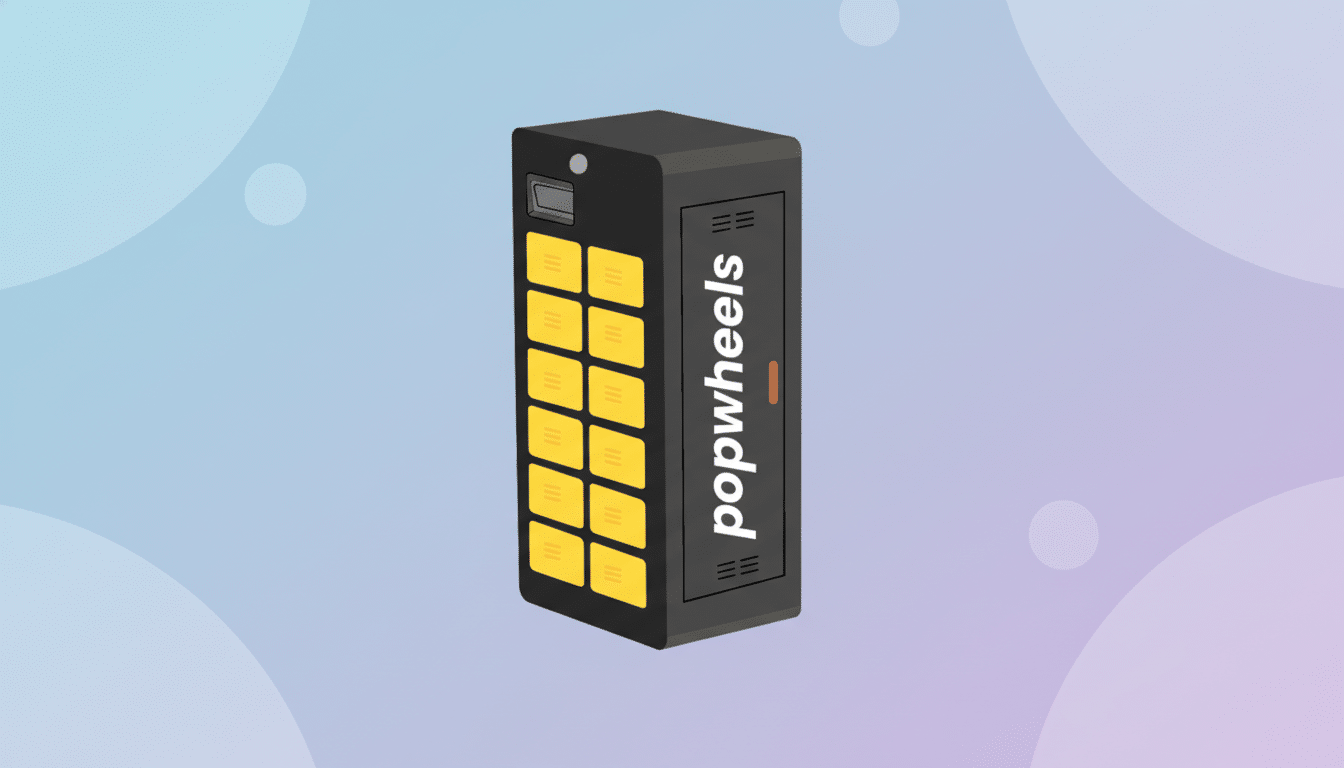
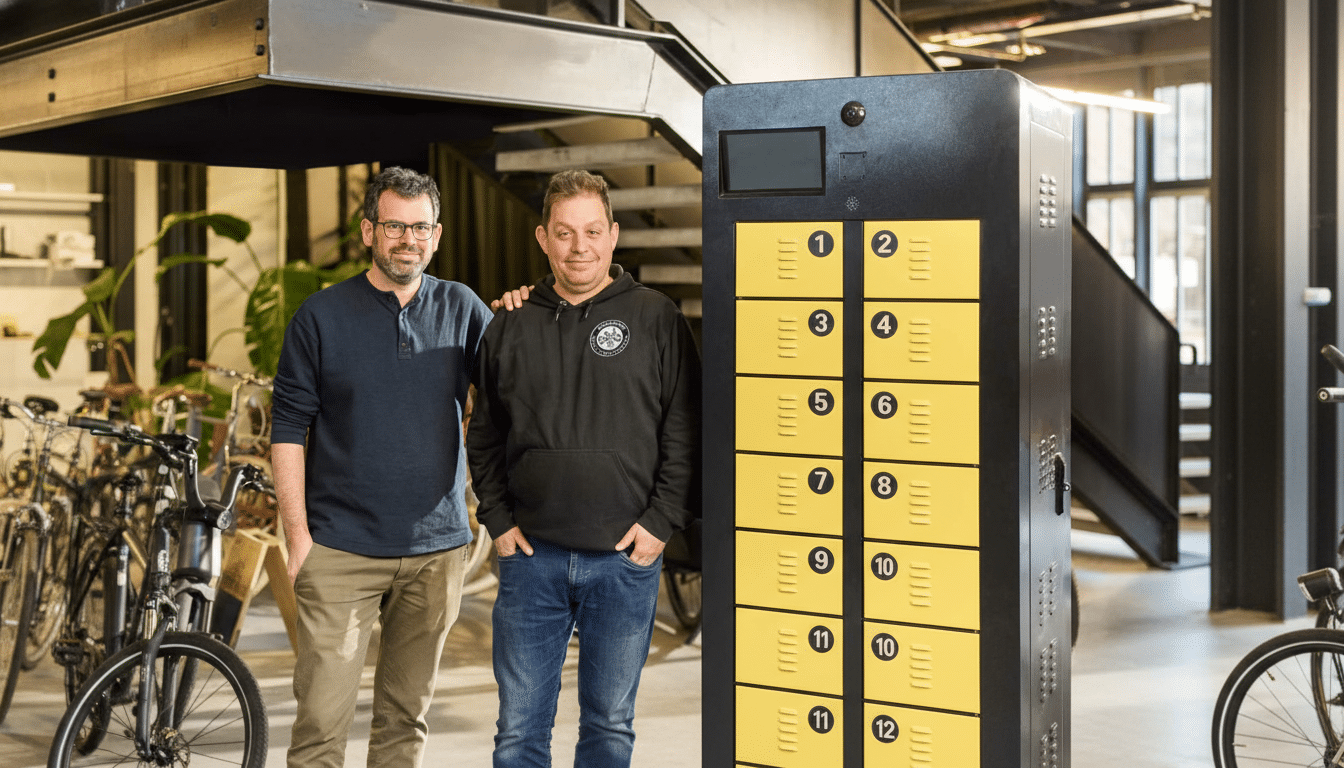
PopWheels operates about 30 charging cabinets across Manhattan that serve delivery workers riding common models like Arrow and Whizz. The cabinets hold 16 batteries each and were engineered with fire suppression to address the lithium-ion safety concerns that have plagued the city in recent years.
For carts, the company built a compact adapter box that accepts multiple packs at once. Four batteries deliver roughly 5 kilowatt-hours—enough for lighting, point-of-sale, fans, and efficient refrigeration on many carts for a standard shift. If a vendor needs extra runtime, a midday swap takes a few minutes at the nearest cabinet, which draws about as much power as a Level 2 EV charger and can be sited in small lots or fenced-off corners.
The core insight isn’t that ebike packs are a perfect match for food carts. It’s that a dense, city-scaled swapping network already exists—and can be extended to vendors without asking them to reinvent their operations.
The Economics for Vendors Using Swappable Batteries
Cart operators typically spend around $10 a day on gasoline to keep a portable generator running for lights and cold storage. PopWheels says subscribing to four batteries per day lands in the same ballpark, while eliminating fuel runs, oil changes, and the inevitable midseason generator repair.
On the delivery side, riders often pay $100 a month to charge at bodegas and still absorb battery wear; annual out-of-pocket can approach $2,000. PopWheels’ existing rider plan is $75 per month for unlimited swaps, and the company reports a waitlist as it adds cabinets. That scale underwrites the vendor play: the more riders swapping, the easier it is to price cart energy competitively with gasoline without compromising reliability.
There’s a softer value proposition, too. Quiet, exhaust-free carts draw lines, not complaints. Portable generators often measure 70–90 decibels at close range; switching to batteries removes the drone entirely, which matters on crowded corners or near residences where the city’s noise code is increasingly enforced.
Safety and Policy Context for Lithium-Ion Power in NYC
Safety is nonnegotiable in New York’s lithium-ion ecosystem. FDNY has warned repeatedly about poor-quality packs and unsafe charging; in a recent year, the department tallied more than 250 fires linked to micromobility batteries, with multiple fatalities and scores of injuries. PopWheels designed its cabinets to detect and suppress thermal events during charging and to isolate batteries—an approach aligned with the city’s push for controlled, monitored charging environments.
The timing dovetails with policy momentum. The Street Vendor Project, a nonprofit that supports the city’s estimated thousands of operators, has been working with partners to cut generator use and improve working conditions. The NYC Department of Health and Mental Hygiene is increasing mobile food vending permits in phases, adding hundreds each year—expanding the addressable market for cleaner power. Meanwhile, regulators have zeroed in on small off-road engines that power generators; the California Air Resources Board has reported that smog-forming emissions from these engines now exceed those from passenger cars in that state, a stark reminder of the public-health stakes.
For vendors, batteries also simplify compliance. No gasoline on board means fewer spill risks and lower carbon monoxide exposure for workers. And with power delivered off the street grid through supervised cabinets, there’s a clearer pathway to meeting evolving FDNY guidance on energy storage in dense areas.
From Pilot to Rollout Across New York City Vendors
The La Chona demonstration capped months of prototyping that began at a Brooklyn Navy Yard event during Climate Week, where PopWheels first tested its adapter in public. Since then, the company has refined the setup with feedback from vendors and support from the Street Vendor Project, culminating in a full day of silent service on a busy Manhattan corner.
The next step is scale. PopWheels says its network can support an aggressive rollout as temperatures rise and carts extend their hours. Because cabinets are modular and draw modest power, they can proliferate quickly in underused curb spaces and small lots. The company raised a $2.3 million seed round to build its first cabinets and is now positioning the system as a shared urban energy layer that can serve more than delivery bikes—think food carts today, and perhaps ice cream trucks, pop-up markets, or event vendors tomorrow.
For a city built on street food, the proposition is refreshingly straightforward: same service, same or better costs, none of the fumes. If battery swapping can reliably keep grills lit and coolers cold, the days of shouting orders over a generator may be numbered.
