


Amid the smartphone-waving competition at family dinner is a simple fact of how devices are actually assembled. A new reader poll that surveyed more than 3,000 respondents finds that most people hadn’t realized that Google’s Pixel phones and Apple’s iPhones came off the manufacturing line at the same company: Foxconn, the electronics manufacturing services provider.
That disclosure does not make the differences irrelevant between the platforms, but it does help to explain why hardware quality can seem remarkably consistent across brands that market themselves as opposites.
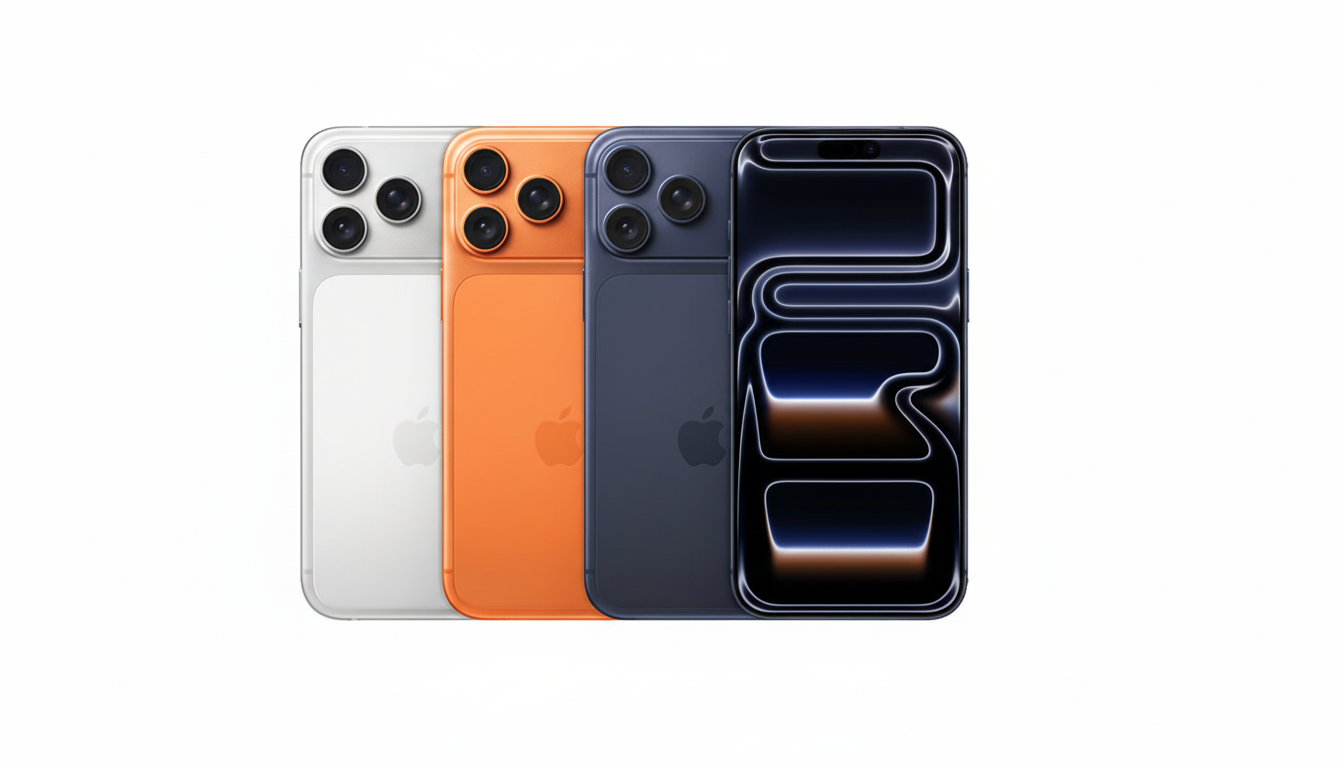
Same factory, different logos: Foxconn builds both phones
That Apple relies heavily on Foxconn is well documented, spanning the vast majority of iPhone production as well as iPad, MacBook, and wearables. Less talked about is that Foxconn also manufactures a significant portion of Google’s Pixel repertoire and the much-wished-for Pixel Watch, sharing work between plants in China, India, and Vietnam as the supply chain becomes increasingly dispersed.
It’s a classic EMS playbook: brands design the thing and declare tolerances; contract manufacturers blast it with industrial-scale quality systems, yield targets measured to two decimal places. The result is that two closely competing phones can be produced on neighboring lines, to varying specifications, by the same workforce.
The poll’s results highlight how obtuse this reality remains to consumers. Most didn’t know they shared that manufacturing footprint, once again illustrating how powerful brand stories are in hiding supply chain realities.
Common suppliers help define the user experience
Assembly is just one layer of overlap. They both go to the same top-tier vendors for key subsystems. Samsung Display provides OLED panels broadly across high-end models, helping to account for some shared-screen attributes such as peak brightness and LTPO power efficiency.
When it comes to chips, both Apple’s A-series and Google’s upcoming major Tensor generation partner with Taiwan’s TSMC. The A17 Pro today is already on TSMC’s 3nm process, and industry reporting from Nikkei Asia confirms that Google is moving Tensor G5 there as well after early Tensor efforts relied on Samsung Foundry. The end result is common thermal behavior and shared benefits for battery efficiency based on the same process technology.
Camera stacks are convergent, too. Sony sensors continue to be a common feature of flagship phones on both sides, as are lenses from contract manufacturers such as Largan and camera actuators from Alps Alpine. Cover glass is another overlap: Corning’s materials are used across both the Pixel and iPhone lines, company investor disclosures show.
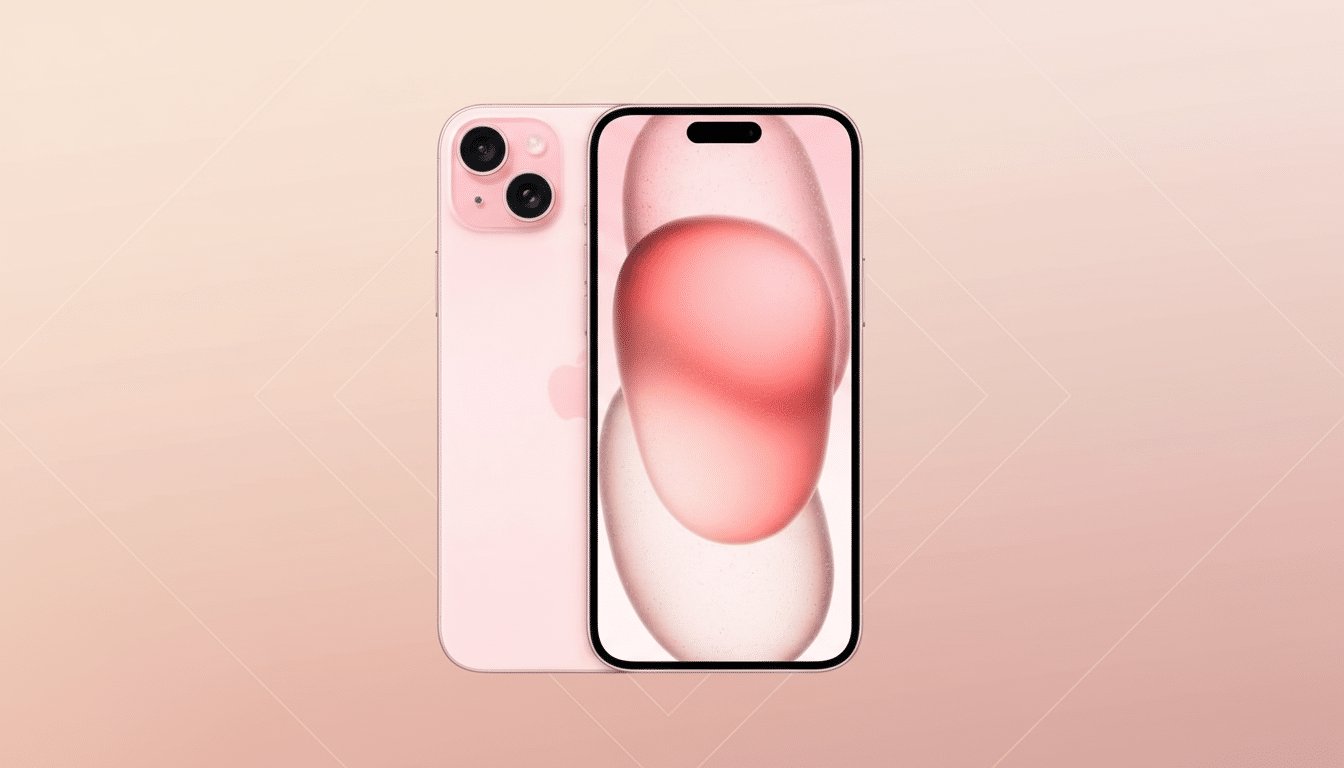
The complex geography of how your phone is made
Where your phone is “made” is not as straightforward a question as it seems. Core ICs manufactured in Taiwan, displays from South Korea or Vietnam, assembly in India or China, packaging and test in Malaysia — then global logistics take over. Both Apple and Google have ramped up production shifts to India and Vietnam as they spread risk, a pattern that emerges in supply chain analyses from Bloomberg and Counterpoint Research.
Meanwhile, Samsung runs more of its own factories. Yet even it is spreading production among markets, as Vietnam handles a huge chunk of global smartphone output. Counterpoint and Vietnamese government data have previously said that Vietnam is the site of around half of all Samsung phones made, including devices destined for the US and Europe. The next biggest node is India, followed by a smaller contribution from China, Indonesia, and Brazil.
Why this manufacturing convergence matters to buyers
For buyers, shared manufacturing doesn’t equal identical phones. Design, component selection, calibration, and end QA still belong to the brands. Even with the same Sony sensors, you won’t get an iPhone camera color science on a Pixel’s computational photography. And serious software support — a topic about which both Apple and Google are now committed to providing long update windows — does still seem to be a brand-level decision.
But the overlap is also why build quality and reliability feel so much closer than the marketing leads us to believe. When these same EMS behemoths are running the same SPC logic, the B.O.P.Q. for fit-and-finish should find a new baseline among brands. The greatest variations you experience have a lot more to do with software expertise, silicon tuning, and ecosystem services than whether or not a device was assembled in Shenzhen, Chennai, or Bac Ninh.
The takeaway: what shared manufacturing means for you
The vast smartphone divide often comes down to logos and software philosophies, not factories.
The original Pixel and the iPhone share more than you might think behind the scenes — and a new survey has just confirmed that. That will not settle the debates, but it does shift what the debates should be about: design choices, update policies, AI features, and services — rather than myths around who “builds better hardware.”
