


I test a lot of AI gadgets and most offer more promise than results. Plaud’s new NotePin S is a rare exception to the rule: an itty-bitty, purpose-driven note-taking pin that nails the basics and solves a real problem with surprising finesse. It is one of the first AI wearables in a long time that also feels like it actually respects your attention, battery life, and workflow, rather than focusing on chasing gimmicks.
Why This NotePin S Design Stands Out in Daily Use
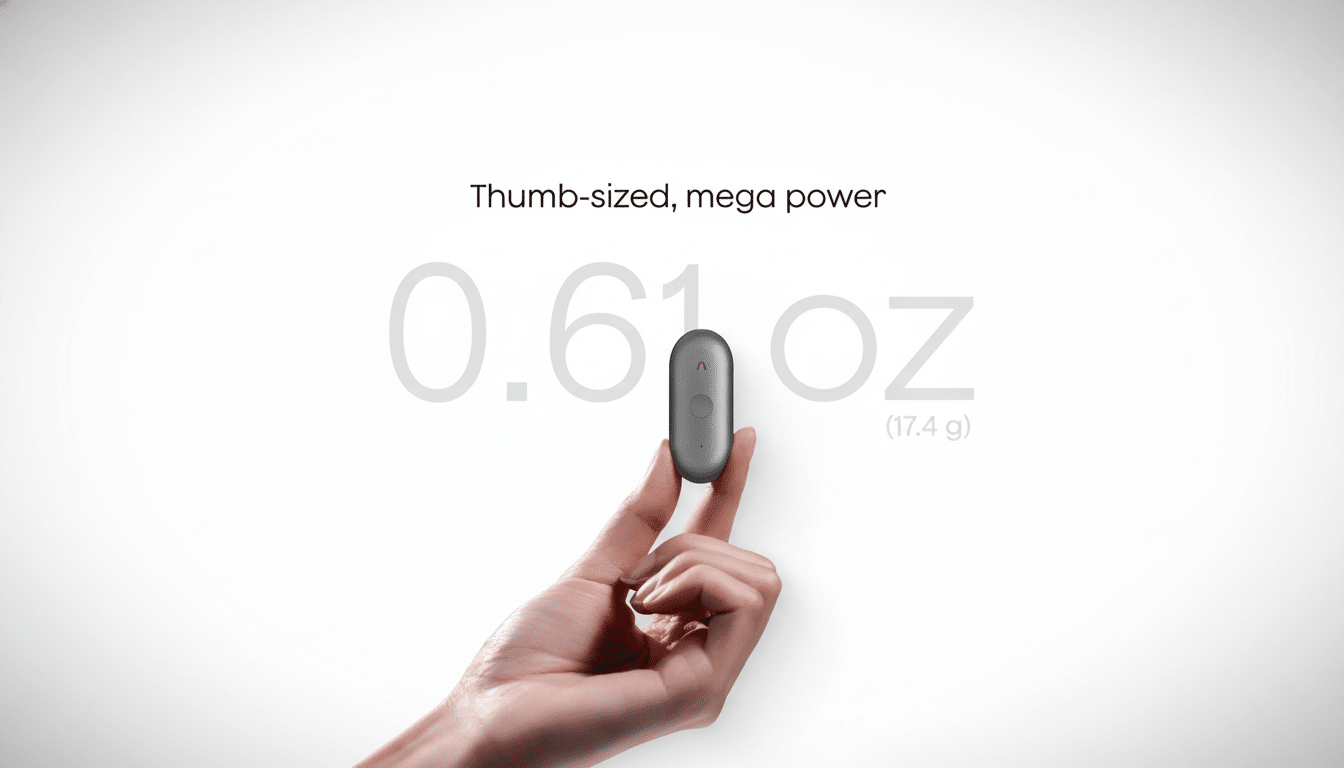
The NotePin S focuses on one job: capturing conversations and turning them into useful notes. It’s a lean, minimalist “pill” that clips to a lapel, lanyard, or wristband, and its center button is the key. One click starts recording, and another press drops a highlight at a specific moment. That quick highlight cue informs the AI about what matters, leading to summaries that match your priorities, not generic bullet points.
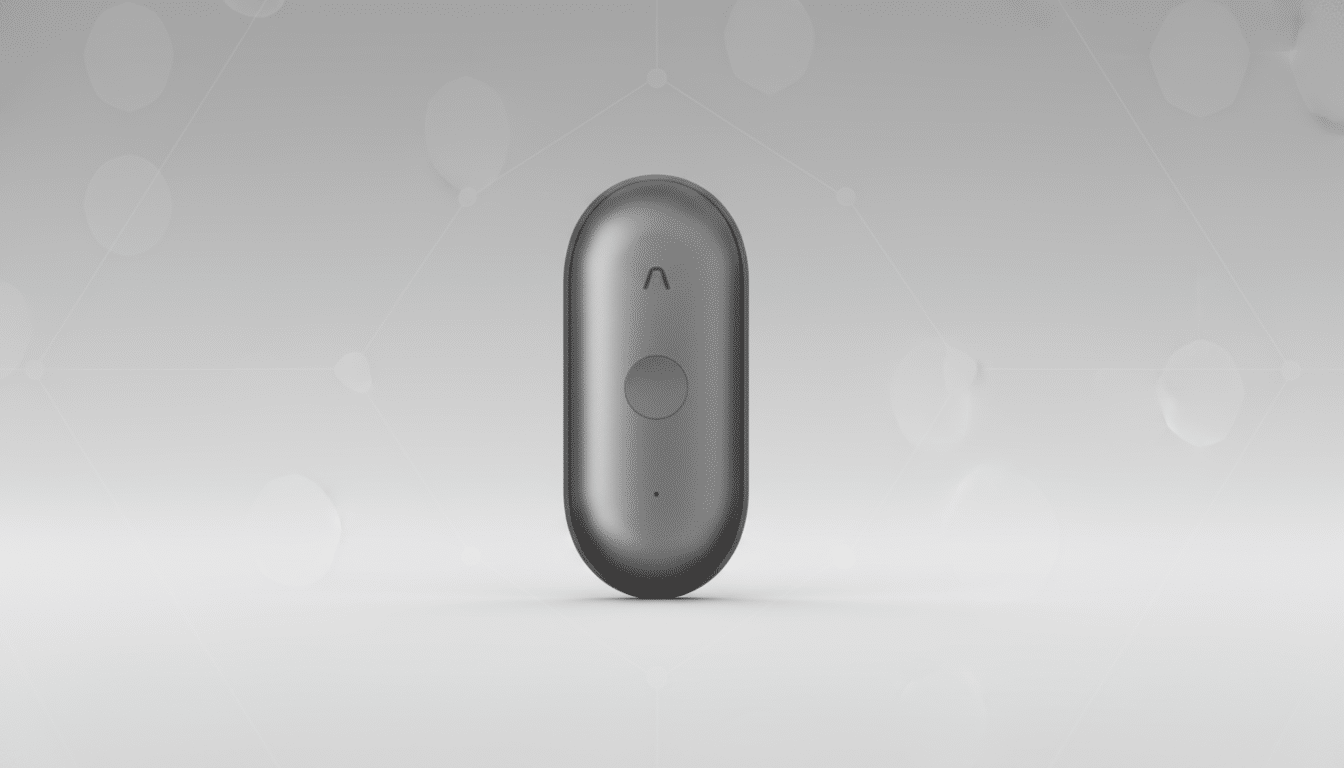
That physical control may sound basic, but it is important. Gesture- or voice-only interfaces tend to be flaky in noisy environments and rude in meetings. The nice click and haptics provide welcome tactile feedback that I no longer have to think about — you know immediately that it’s recording. Plaud had offered tagging options on its larger Note devices before, but including a reliable, on-device control for the pin addresses the biggest usability gripe I’ve heard from early adopters.
Designed for Workflow Efficiency and Reliability
Some AI wearables attempt to do it all — assistant, camera, messaging centerpiece — and wind up master of none. The NotePin S is disciplined. It records cleanly, tags key moments, and hands off to software that does the rest. The company promises up to 20 hours of continuous audio capture, and about 40 days on standby — which, if accurate in daily use, should eliminate the “battery anxiety” caused by most previous AI pins.
In practice, that means a journalist can clip it on for an entire day of briefings, a clinician can record consults with explicit consent, and a product manager can capture stand-ups without having to juggle phone apps. That ergonomic choice — one sexy button rather than fussy touch surfaces — works in all those situations.
A Smarter Way to Meet: Plaud Desktop for Calls
Plaud also unveiled Plaud Desktop, which records online meetings without deploying a bot to be on the call. That’s a significant distinction from services like Otter.ai or Fireflies.ai, which are often represented as participants and can raise organizational compliance questions. The app from Plaud identifies local Zoom, Google Meet, or Microsoft Teams sessions and lets you capture them in real time on your machine — allowing you to add visual context or text notes.
It still needs to come with good judgment and consent — recording policies differ among organizations and jurisdictions — but there is real friction reduction. You record it yourself, have the ability to add instant highlights when Jeremy from marketing drops a truth bomb or Mandy in finance weighs in, and then, boom: the AI knows exactly what it needs to craft an actionable rundown. This is consistent with a wisdom-of-crowds lesson that knowledge leaders have been preaching for years: human-in-the-loop capture beats passive transcription when accuracy counts.
Where It Fits in the AI Wearables Race and Market
Compared with more flashy experiments, like screenless AI pins or voice-first companions, Plaud’s approach is refreshingly pragmatic. It doesn’t claim to be a phone replacement or spin up an all-purpose agent. It’s tackling a huge, well-defined problem — converting conversations into accurate, prioritized notes — and then doing everything in its power around that. Industry analyses say meeting overload and note quality are top factors that impede productivity, exacerbating the forgetting curve when you don’t document discussions in a structured way within a reasonable time.
The limitations Plaud has opted for — on-device control, an easily discernible highlight signal, solid battery life, and a desktop colleague that avoids bot fatigue — result in reliability. The line between novelty and the team-standardized tool in which teams have invested hours of automation development comes down to one fact: reliability for AI hardware is undersold.
Pricing, Capacity, and Value for Different Users
The NotePin S is priced at $179, a slight premium over the previous model, and comes with a starter plan featuring 300 minutes per month of transcription and summarization. Power users can upgrade to more minutes and advanced AI results. For journalists, researchers, and managers at small production companies, that entry tier covers the majority of weekly meetings; teams can scale up as they need without switching out hardware.
Hands-on Verdict After Demos and Real Conversations
Following two consecutive demos and actual hallway conversations, my take is simple: NotePin S seems compelling because it reduces friction at every intersection. Click to capture, tap to highlight, review a digest that follows what you cared about. No mystery hand gestures, no battery roulette, no stray bots crashing the call.
AI hardware shouldn’t be flashy; it should recede until it’s time to perform. The NotePin S from Plaud comes as close as anything to that dream — and in a change of pace, the smartest thing about an AI wearable isn’t what powers it, but what you’re already using.
