


We asked you how Google should improve Pixel batteries, and the verdict is remarkably consistent. In a poll of 6,147 respondents, most voters signaled they want bold hardware changes, not incremental tweaks. Silicon-carbon cells led the pack, user-replaceable batteries placed strongly, and a majority of readers ultimately asked for both — a crystal-clear mandate for longer life and greater longevity.
Silicon-Carbon tops the battery upgrade wishlist
Just under 28% of votes went to silicon-carbon battery tech. The appeal is straightforward: silicon-doped graphite anodes can boost energy density, improve cold-weather performance, and unlock more capacity without ballooning the phone’s footprint. This isn’t theoretical. Companies like Honor and Huawei have commercialized silicon-carbon batteries in recent flagships, demonstrating tangible gains in real-world endurance and low-temperature reliability.
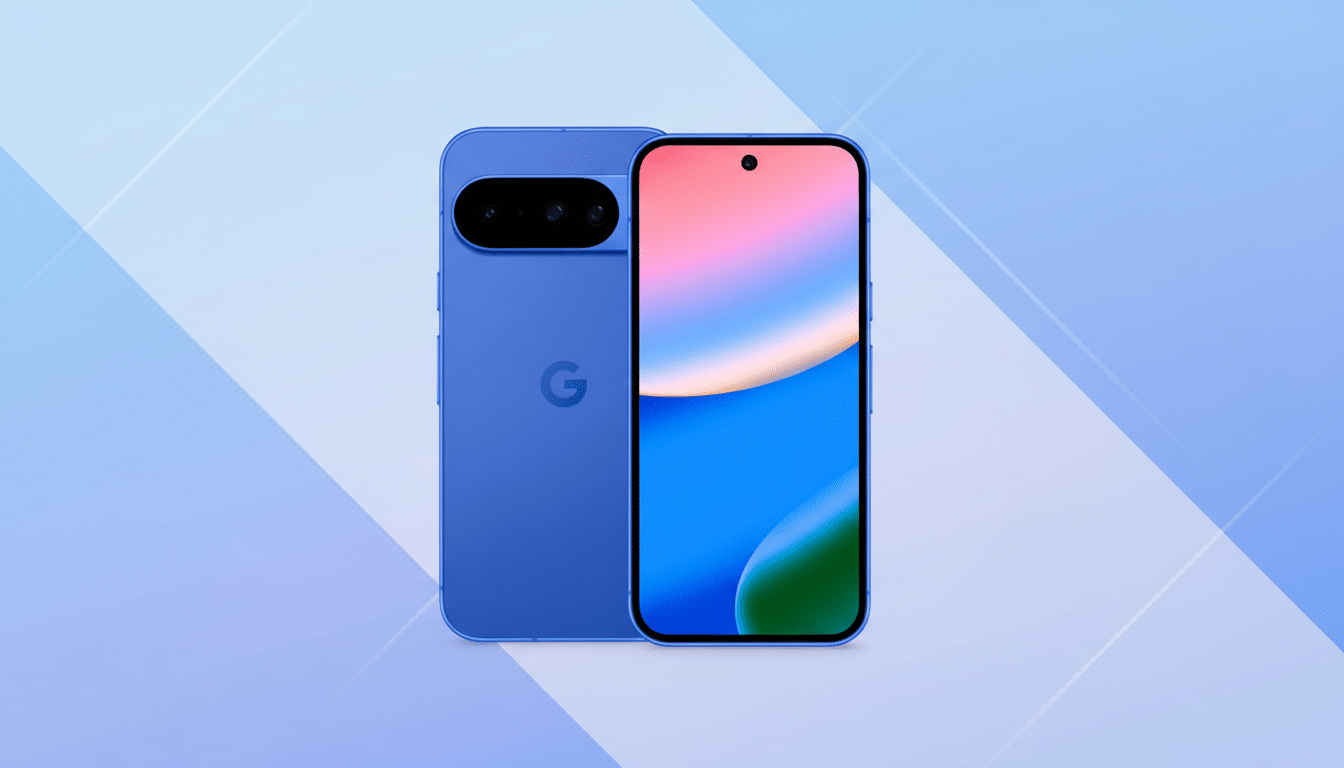
For Pixel users, that promise lands at the intersection of need and feasibility. Energy-dense cells could help offset power draw from camera pipelines, on-device AI, and bright LTPO displays. Importantly, silicon-carbon doesn’t require a radical chassis redesign, so the trade-offs for weight, thickness, and thermal management look manageable compared with more exotic chemistries.
There are caveats. Silicon expands during charge cycles, which can stress electrodes and impact longevity if not managed by robust binders, clever particle engineering, and smart charging algorithms. But with maturing supply chains and growing adoption across the industry, readers see this as a plausible near-term upgrade that Google can implement without upending the Pixel’s design language.
Strong support for user-replaceable batteries
Roughly 20% of respondents favored an easy, user-replaceable battery — and many others asked why we can’t have that alongside higher-capacity cells. More than 50% of voters, in fact, expressed a desire for both bigger batteries and simple swaps, underscoring a broader push for longevity and repairability.
Google appears to be listening. A recent U.S. patent filing outlines an internal battery mounting approach that could make replacements more practical, hinting that the company is exploring designs beyond today’s adhesive-heavy assemblies. That aligns with the right-to-repair momentum worldwide. The European Union’s new battery regulation, for example, will require easier replacement in portable devices in the coming years, pushing OEMs to rethink glue, gaskets, and access points.
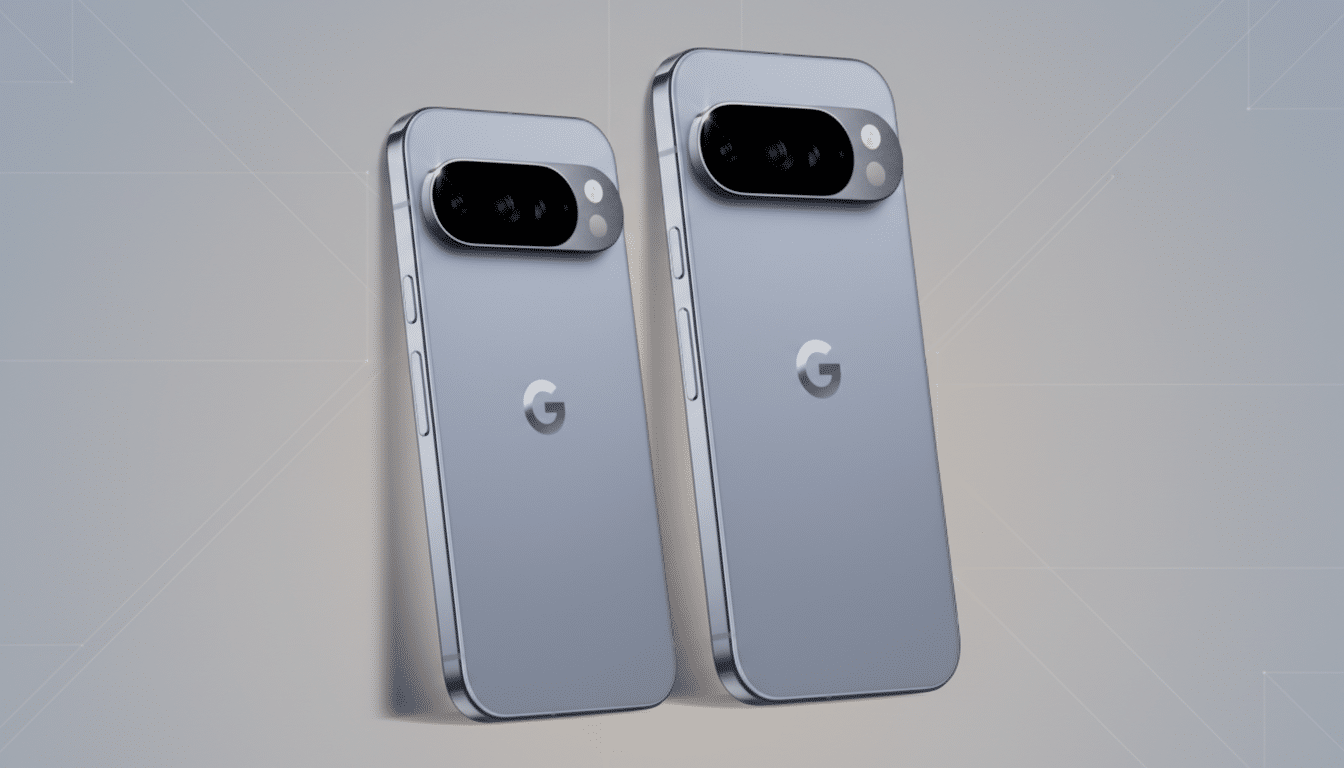
The trade-offs are real. Tool-less access and fewer adhesives can complicate water resistance, structural rigidity, and thermal pathways. There’s also the matter of safety certifications and drop performance. Still, modern engineering can mitigate these concerns with better seals, modular tabs, and reinforced frames. The bigger question is whether Google prioritizes durability and user autonomy enough to accept minor design concessions for a vastly better ownership experience.
Readers want ambition over tweaks and minor changes
Only 1.3% of voters wanted Google to pursue something entirely different, signaling that most frustrations stem from endurance and lifespan rather than wish-list novelties. That matches broader sentiment in independent testing, where Pixels have often trailed the longest-lasting devices from rivals, despite software features like Adaptive Battery and Extreme Battery Saver. As on-device AI workloads scale, bigger or better batteries and smarter charge control will matter more, not less.
There’s also a strong case for system-level improvements. A robust battery management strategy could include user-selectable charge caps, refined thermal throttling, and transparent health metrics. Brands like Sony and Asus already offer configurable charge limits to preserve long-term capacity. Google could combine silicon-carbon chemistry with battery health dashboards and smarter overnight charging, extending both day-one endurance and multi-year reliability.
What Google can realistically ship next for Pixels
Silicon-carbon cells feel like the nearest-term win: they fit within current industrial designs, suppliers are ramping up, and the performance benefits match Pixel users’ priorities. A user-replaceable design is more complex but increasingly likely under regulatory pressure and consumer demand. Even a hybrid approach — adhesive pull-tabs, clearer service guides, and parts availability — would be a meaningful step toward owner-friendly longevity.
The message from 6,147 voters is unambiguous. Pixel owners want a phone that lasts longer out of the box and stays healthy for years without a trip to the service center. Whether through silicon-carbon chemistry, easier swaps, or both, the ball is now in Google’s court. If the company executes, it won’t just improve standby times — it will rebuild trust where Pixels have struggled most.
