


If you own a Google Pixel and still feel battery anxiety by mid‑afternoon, you’re not imagining it. Pixel phones have become faster and smarter, but endurance varies by model and network conditions. After several weeks of testing on a Pixel 8 and Pixel 9 Pro, I changed eight core settings and consistently added hours of real‑world use without turning the phone into a brick.
These aren’t obscure hacks; they’re built‑in controls that lean on Google’s machine learning and sensible radio management. Independent testing backs up the approach: lab measurements by outlets like GSMArena and analysis from DisplayMate and PCMag repeatedly show that the screen and cellular radios dominate power draw. Here’s what to switch, why it works, and the exact menus to find each option.
- Use Battery Saver And Extreme Battery Saver
- Let Adaptive Battery Do The Heavy Lifting
- Tame The Brightness With Adaptive Controls
- Enable Adaptive Connectivity To Smarten 5G
- Schedule Bedtime Mode And Disable AOD At Night
- Turn Off Mobile Data Always Active To Save Power
- Limit Smooth Display To Save Double‑Digit %
- Protect Battery Health With Smarter Charging
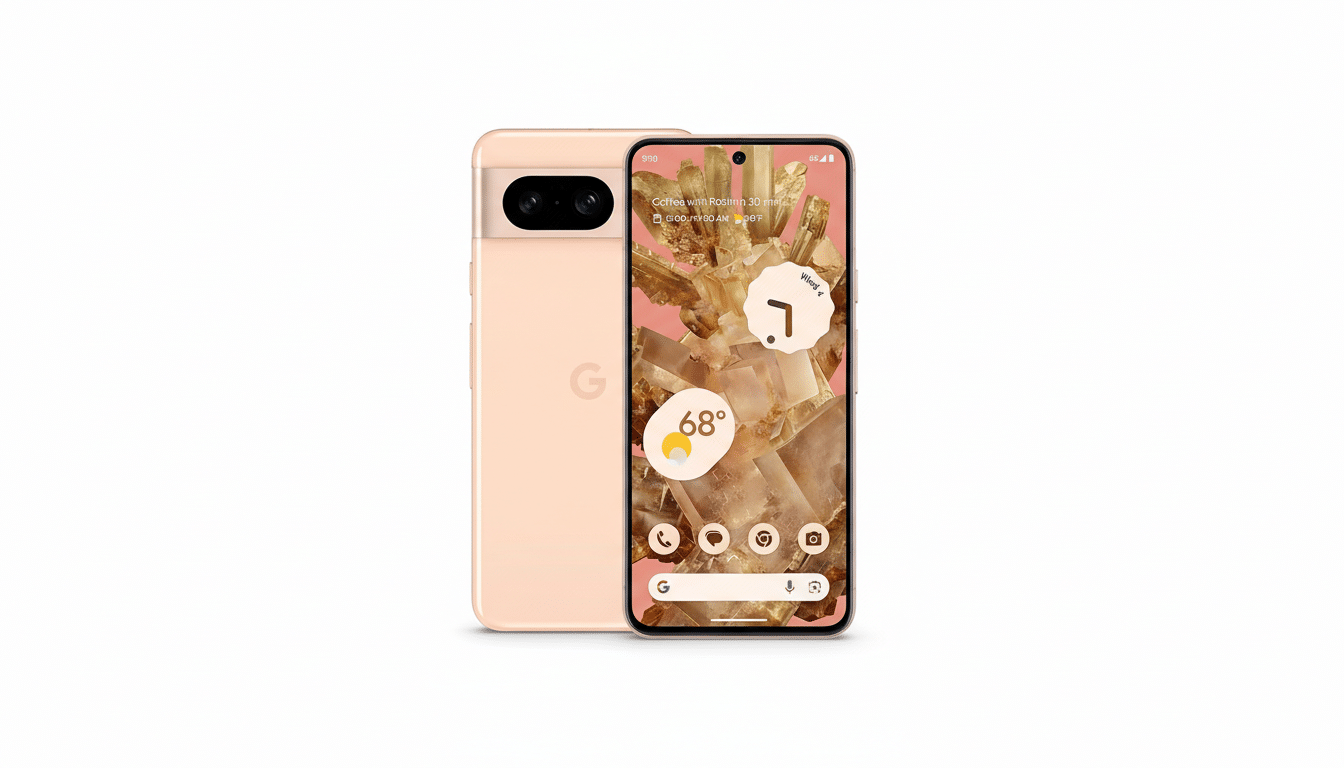
Use Battery Saver And Extreme Battery Saver
When you need immediate endurance, Battery Saver cuts background activity, animation load, and other niceties. Extreme Battery Saver goes further by pausing most apps and notifications, keeping only essentials alive. Google’s product pages tout up to 72 hours with Extreme enabled, and in travel scenarios it’s the difference between a dead phone and a working one.
Where to find it: Settings > Battery > Battery Saver. Toggle Battery Saver or Extreme Battery Saver, then tap the Extreme settings to choose which apps are allowed. You can also schedule Battery Saver to kick in automatically at a battery % you choose.
Let Adaptive Battery Do The Heavy Lifting
Adaptive Battery uses on‑device learning to predict what you’ll open next and throttles what you won’t. Under the hood, it works with Android’s App Standby Buckets to curb background wakeups and network pings, trimming idle drain across the day.
Where to find it: Settings > Battery > Battery Saver > Adaptive Battery. Turn it on, then give it a couple of weeks to learn your patterns, especially after a new phone setup.
Tame The Brightness With Adaptive Controls
Your display is the biggest power hog. Display experts routinely see screens consuming 40–60% of a phone’s total draw in typical use. Adaptive Brightness learns how bright you prefer things in different lighting and nudges levels down when full blast isn’t needed.
Where to find it: Settings > Display > Adaptive Brightness. Keep it on, then make a habit of nudging the slider down; the system will remember. Lowering the brightness indoors can buy you meaningful runtime without any other trade‑offs.
Enable Adaptive Connectivity To Smarten 5G
5G is fast but power‑hungry, especially in weak coverage where radios work harder. Field testing from PCMag and network research groups shows higher draw in fringe conditions and with certain bands. Adaptive Connectivity automatically drops to 4G LTE for light tasks, reserving 5G for downloads and streaming.
Where to find it: Settings > Network & Internet > Adaptive Connectivity. Toggle it on. You’ll rarely notice a speed penalty, but you will notice steadier battery throughout the day.
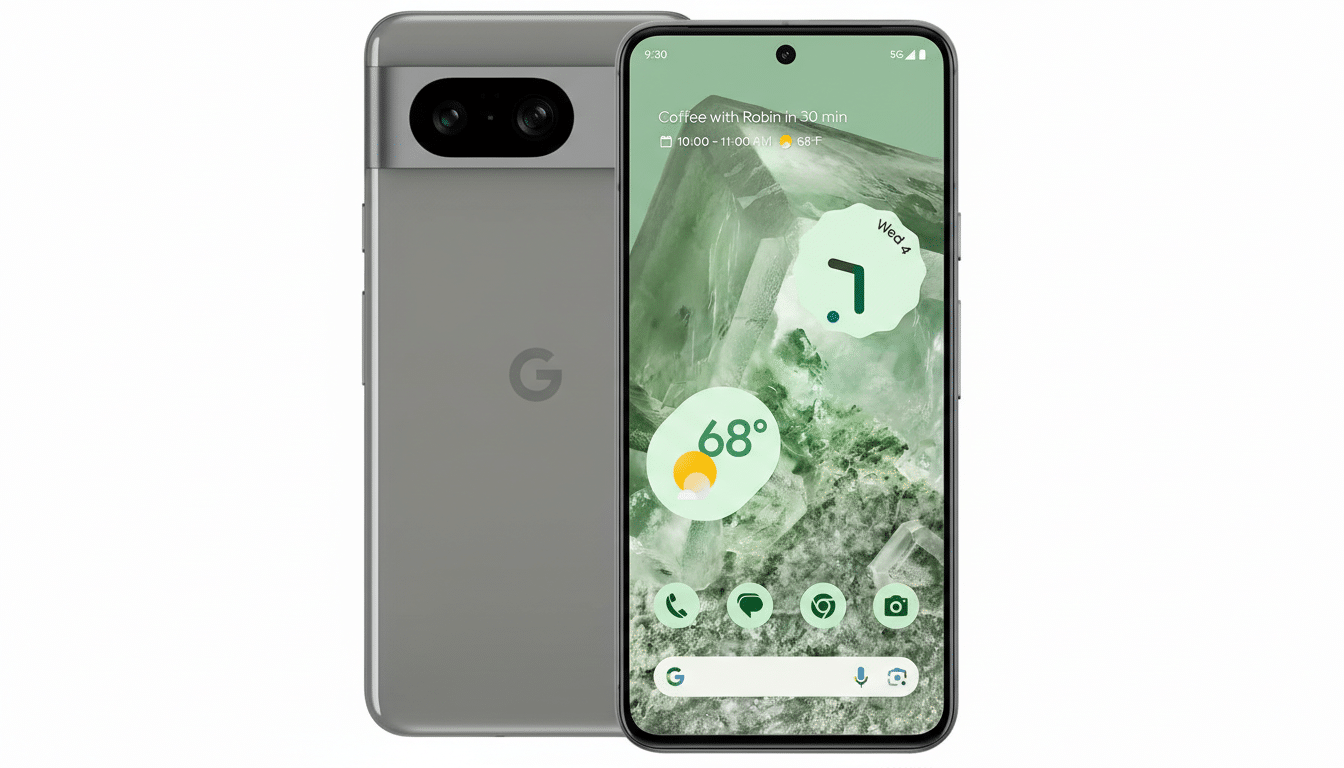
Schedule Bedtime Mode And Disable AOD At Night
Bedtime Mode, part of Digital Wellbeing, quiets your phone while you sleep and can switch off Always‑On Display. Community measurements from XDA and Pixel user forums commonly peg AOD drain around 0.5–1% per hour; turning it off overnight can save a chunky 4–8% by morning.
Where to find it: Settings > Digital Wellbeing & Parental Controls > Bedtime Mode. Set your schedule, enable Do Not Disturb, and choose to turn off the Always‑On Display while you sleep.
Turn Off Mobile Data Always Active To Save Power
By default, Android keeps cellular data alive even on Wi‑Fi to speed up network handoffs. It’s convenient but wastes power by running radios in parallel. Disabling this advanced option reduces background radio chatter; the only trade‑off is a slightly slower switch when you leave Wi‑Fi.
Where to find it: Settings > About Phone, tap Build Number seven times to unlock Developer Options. Then go to Settings > System > Developer Options and toggle off “Mobile data always active.”
Limit Smooth Display To Save Double‑Digit %
High refresh rates (90/120Hz) look fantastic but cost energy because the GPU and display update more often. GSMArena’s lab tests frequently show double‑digit endurance gains when phones drop to 60Hz. If you’re chasing longevity, this single switch is low‑hanging fruit.
Where to find it: Settings > Display > Smooth Display. Turn it off to hold 60Hz. Scrolling will feel a bit less silky, but on heavy days I’ve seen an extra hour or two of screen‑on time as a result.
Protect Battery Health With Smarter Charging
Keeping a lithium‑ion cell pinned at 100% accelerates aging. Research from Stanford and industry resources like Battery University show that high state‑of‑charge and heat hasten capacity loss. Pixels counter this with Adaptive Charging, which learns your wake‑up time, charges quickly to ~80%, then tops off just before you get up.
Where to find it: Settings > Battery > Charging Optimization > Adaptive Charging. On newer models such as the Pixel 9a and beyond, Battery Health Assistance can also automatically adjust maximum charge voltage over hundreds of cycles to slow wear. You won’t see a toggle for this; it quietly works in the background.
The bottom line: combine these tweaks and your Pixel lasts longer on tough days and ages more gracefully over months. Prioritize screen and radio optimizations for immediate gains, then let Adaptive Battery and charging smarts handle the rest. Keep the phone cool, install system updates, and you’ll squeeze the most out of every milliamp the hardware offers.
