


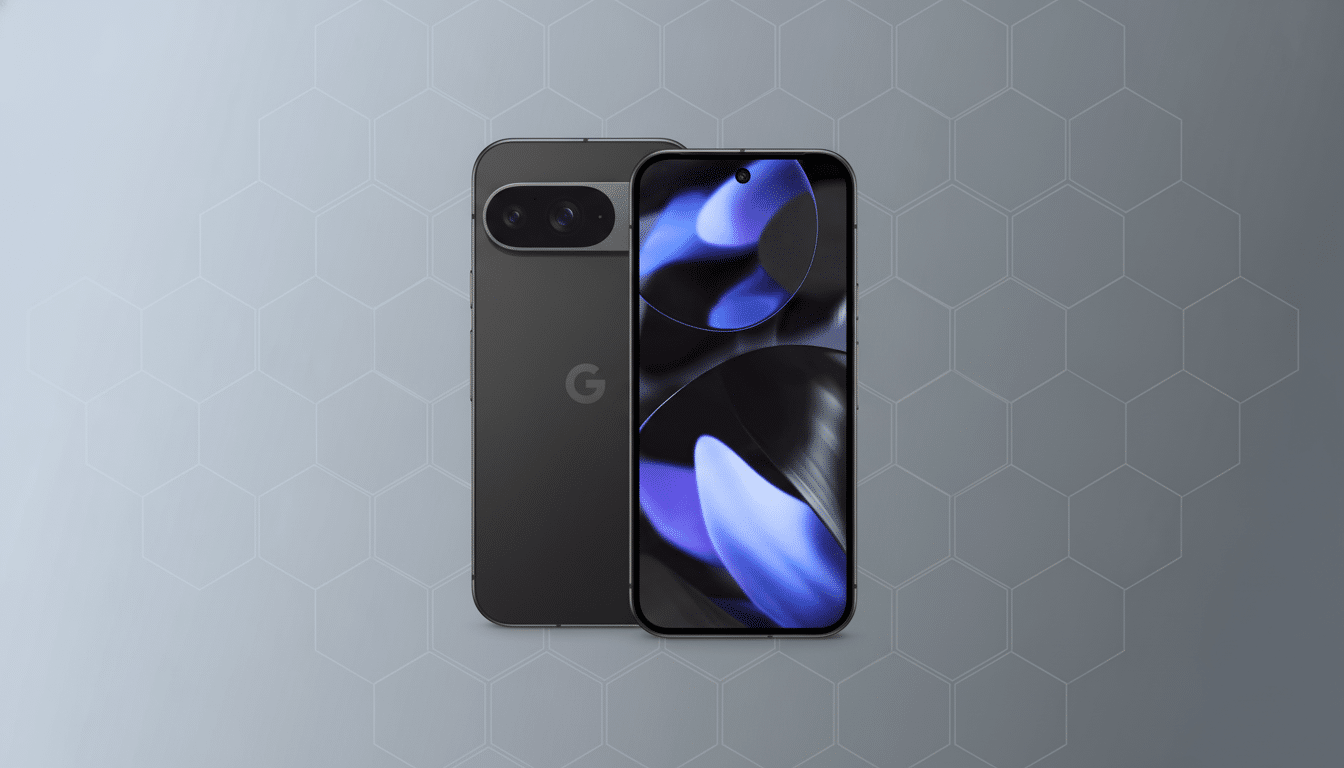
The Pixel 9a has fallen to $349 at a well-known online retail store, down significantly from the debut price of $499 and the lowest figure that we have seen. (The Pixel brand is Google’s chip brand for its relatively affordable Android phones.)
This listing is already tagged as selling fast, and given the way similar deals disappeared for Black Friday, it may not be available for long. If you have been holding out for an irresistible price on Google’s new budget beast, this is it.
- Why $349 Is a Breakout Price for Google’s Pixel 9a
- What You Get for That Money with the Pixel 9a
- The Trade-Offs to Know Before Buying the Pixel 9a
- How It Stacks Up to the Competition at This Price Point
- Real-World Value and Who Should Buy the Pixel 9a Now
- Availability and Buying Tips for the Pixel 9a Deal
Why $349 Is a Breakout Price for Google’s Pixel 9a
At $349, the 9a is around 30% off its MSRP—less expensive than numerous midrange competitors without forcing you to sacrifice software support or camera quality. Google’s current Pixels are supported for seven years of OS and security updates, a level of commitment few if any other Android brands can match. For instance, Samsung guarantees up to four OS updates and five years of security updates for its A-series; Apple typically supports iPhones over a span of five or six years but at a higher price point than comparable hardware.
There’s also contextual pricing from this shopping season: on Black Friday, the 9a hung around $399 at several retailers. The $50 bonus dip is what makes this deal stand out, and it’s what will prompt a lot of people to pull the trigger.
What You Get for That Money with the Pixel 9a
Pixel 9a: all the best features, none of the extra fluff. The Pixel 9a offers a flagship-on-a-budget experience. It’s powered by Google’s Tensor G4 chip—the same generation silicon that punches up the company’s best devices—so day-to-day responsiveness and on-device AI capabilities feel buttery smooth. In that AI suite, you’ll find features such as bolstered Recorder transcription, enhanced photo editing tools, and some helpful call assistance via Gemini.
At the price, the hardware package really punches above its weight. A vibrant 6.3-inch pOLED panel with a 120Hz refresh rate ensures scrolling is smooth and HDR content looks zesty. The 5,100mAh battery is generally good for a day and then some for heavy users, and the IP68 rating offers dust and water resistance that isn’t common in this price bracket. As ever, it’s the camera that’s Google’s secret weapon, with class-leading processing and a clever close-focus mode that produces sharp macro-style shots from the main sensor.
The Trade-Offs to Know Before Buying the Pixel 9a
There isn’t a $349 phone that’s perfect. Wired charging on the 9a is relatively modest compared to some competitors, which tout 45W or faster speeds; the Pixel’s focus on battery health and long-term consistency shines through over headline-grabbing wattage. The front glass is Gorilla Glass 3, which is tried and tested but not the most current iteration—you might want to think about a screen protector if you have a habit of being rough with your gadgets.
Power users might also miss a couple of software additions that are making their way to the broader Pixel family. The basics are here, yet some other niceties come after the fact or even depend on region, so it may be worth checking which AI features are actually available in your particular market before you buy.
How It Stacks Up to the Competition at This Price Point
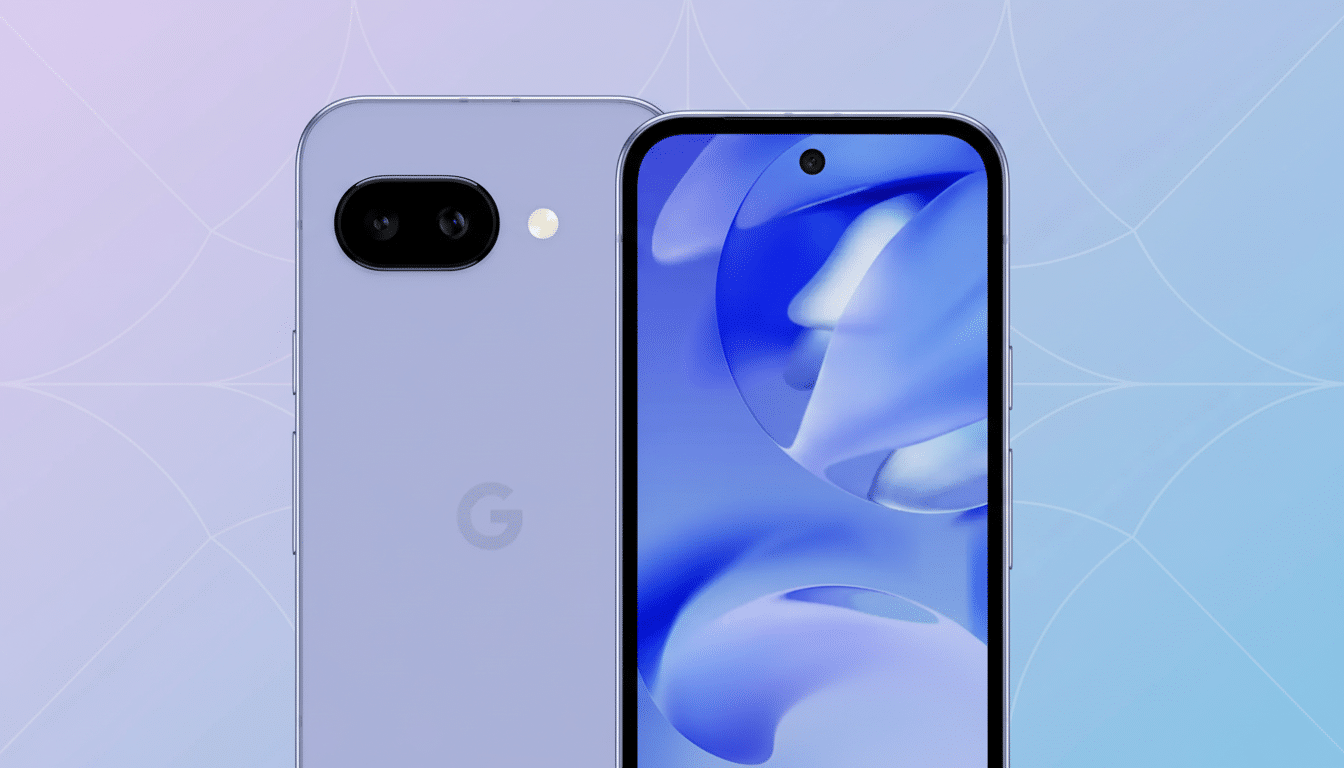
So, next to the Samsung Galaxy A35 5G, the Pixel 9a offers a slightly bigger screen instead of stronger cameras and a longer software life. The A35’s Exynos chip is competent, but Google’s Tensor G4 does better with AI jobs—live transcription and photo sorcery come to mind. Samsung’s commitment to four OS upgrades and five years of security is sound, but the Pixel’s seven-year runway is significant if you plan to hold onto your phone that long.
There are faster-charging, sexier-looking Nothing Phone 2a and OnePlus Nord models to be had at about the same price point, but they often falter on camera reliability and long-term update promises. On the other hand, Apple’s iPhone SE is there for people who want iOS in a smaller body, but that too has a smaller display, outdated design notes, and ultimately costs more once storage options and carriers are considered.
Real-World Value and Who Should Buy the Pixel 9a Now
Whether you’re a student, gig worker, or frequent traveler, the combination of a sturdy IP68 build with long battery life and Google’s safety features (i.e., Crash Detection and Emergency Sharing) makes the 9a feel reassuring. Budget creators will like the camera’s low-light reliability and a few video features, too, including better stabilization and audio cleanup that could save a take you would have otherwise tossed.
Observers of the industry such as Counterpoint Research have observed that the sub-$400 segment has continued to be strong and that is where this appealing deal lands. You’re essentially paying entry-level prices for a phone with flagship software longevity and imaging. That’s a rare combination.
Availability and Buying Tips for the Pixel 9a Deal
The $349 price is live at a big-box online retailer and marked as going fast. Popular colors, probably. If you’re browsing the marketplace, look for confirmation that the seller is either a retailer itself or one of its approved partners, check return windows, and confirm if the model works on your carrier’s 5G bands. The majority of 9a units will come with 128GB of storage and eSIM capability; if your demands require dual-SIM support, double-check the SKU before you pull up to the checkout.
Bottom line: if you want a phone that will last for years and stay fast, secure, and photographically competitive the whole time, this 9a deal is one of the best values right now. (Even though Huawei’s Google-free App Gallery is starting to look like a viable alternative playpen — see below.) Don’t sleep too long on this one — with a $349 price tag, it won’t stay in carts for long.
